TL;DR
5/10. A categorized bank of fantasy-flavored words and phrases, a modest brainstorming tool for widening a writer’s palette or escaping stock phrasing. It rates low because its core approach, supplying ready-made phrases, works against the original, world-specific voice good fantasy requires, and it teaches no craft. A small tool with a built-in hazard.
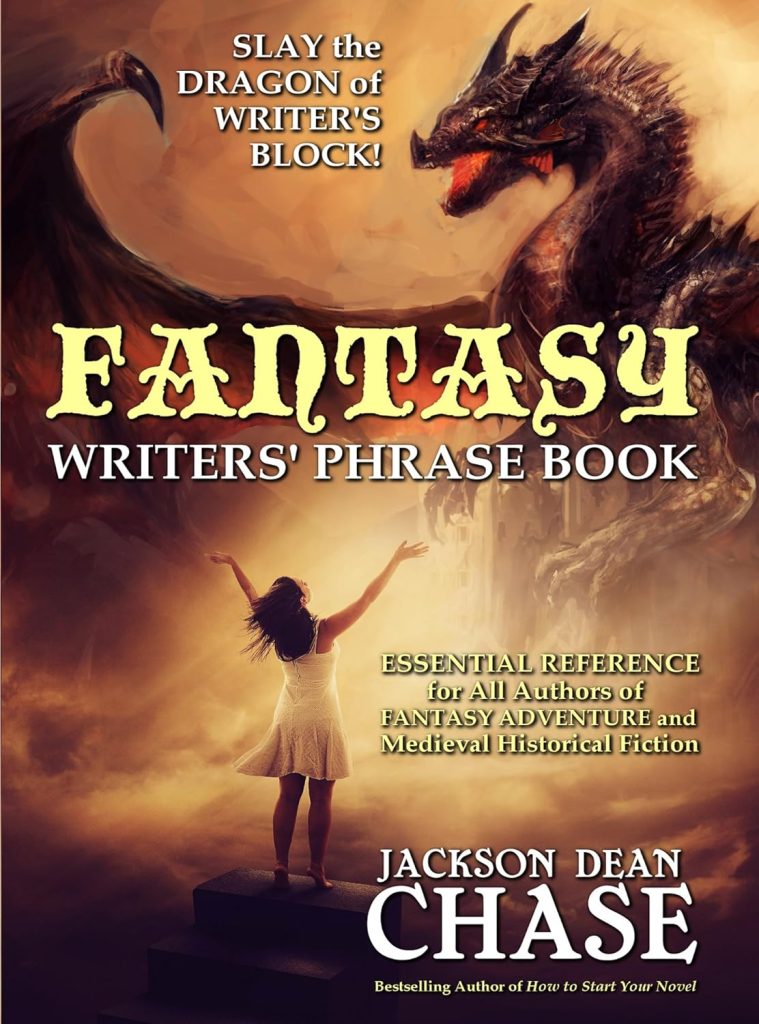
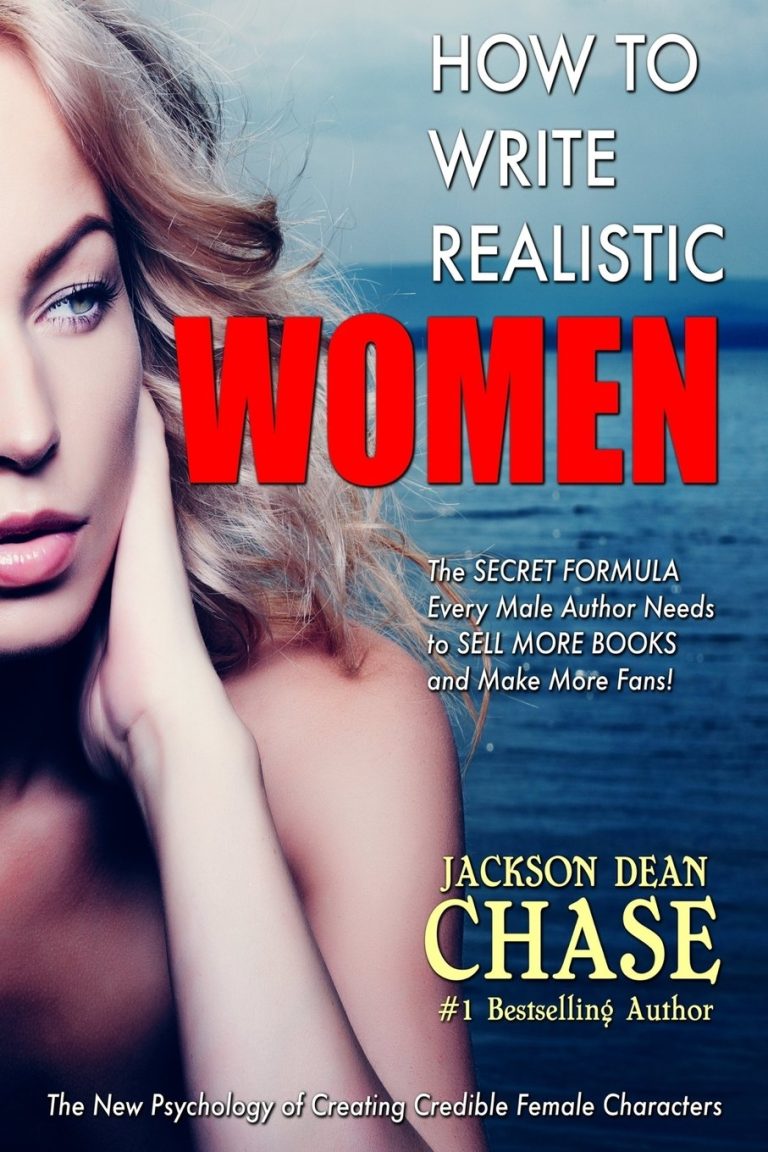
Fantasy Writers’ Phrase Book by Jackson Dean Chase is a reference of a very particular kind. It’s a collection of words and phrases, meant to help writers create authentic-feeling fantasy dialogue and description, the archaic-flavored vocabulary, the genre-suitable expressions, the period-sounding turns of phrase that signal a fantasy world. It’s part of a series of phrase-book references. Like its siblings, it’s best understood as a prompt list instead of a craft guide. Useful in a narrow way, and easy to misuse.
The need it addresses is real, if minor. Writers reaching for a medieval or high-fantasy tone default to the same handful of stock archaisms, and it’s tiresome. A wider menu of options can help. My problem is that the cure here looks a lot like the disease.
What it is
The book is a categorized word and phrase bank, lists of evocative, genre-flavored language a fantasy writer can draw on for dialogue, description, insults, oaths, titles, and the atmosphere of an invented or pseudo-historical world. Its honest use is as a brainstorming aid. A writer stuck for the right archaic-sounding phrase, or trying to avoid repeating the same dozen stock expressions, can browse for fresher options. As a tool to jog the imagination and widen a writer’s palette of genre-suitable language, it’s a modest, real utility, much like a specialized thesaurus.
Keep reading
Writing fantasy: building a world readers believe in: a phrase list is a small piece; here’s the fuller craft of convincing fantasy.
The danger of the phrase-list approach
The trap is the same one every phrase book sets, and it’s a nasty one. Lists of ready-made expressions invite a writer to assemble dialogue and description from prefabricated parts. That produces exactly the generic, interchangeable fantasy prose the book ostensibly helps avoid, language that sounds like fantasy in general instead of like this world and these characters.
Authentic fantasy voice comes from a writer’s own ear and from the internal logic of their world, not from a shared bank of phrases that every other reader of the same book is also drawing on. Used as a crutch, it homogenizes; used sparingly as a prompt, it can occasionally help. The discipline is the user’s, and the book can’t supply it.
Keep reading
Finding your voice: why borrowed phrasing flattens prose, the case for developing your own ear instead of assembling from a phrase bank.
Phrase book versus thesaurus
It’s worth distinguishing this kind of book from the more defensible reference it resembles, because the difference explains the rating. A good writer’s thesaurus, including the emotion- and setting-focused ones, supplies raw material, single words, sensory possibilities, options the writer then shapes into their own sentences. A phrase book goes a step further and supplies the assembled phrase, the finished unit of expression. That leaves the writer less to do and correspondingly less room to make the language their own.
The closer a reference moves from raw ingredients toward finished product, the more it risks doing the writer’s actual work for them, and the more uniform the results across everyone who uses it. This phrase book sits near the finished-product end of that spectrum, and that’s why it’s more hazard than help for a writer trying to develop a distinctive voice. Its very form pushes writers toward the borrowing that flattens prose, and I don’t like that one bit.
Is Fantasy Writers’ Phrase Book worth reading?
It’s a narrow, modestly useful brainstorming tool, a categorized bank of fantasy-flavored language that can help a writer widen their palette or break out of stock phrasing, sitting alongside the other phrase books as a minor reference. It deserves a low place on the scale because its core approach, supplying ready-made phrases, works against the original, world-specific voice that good fantasy requires, and it offers nothing in the way of craft instruction.
For a writer who uses it lightly as a prompt it can occasionally spark something; for one who leans on it, it’ll flatten their prose toward generic fantasy. It’s a small tool with a built-in hazard, and I wouldn’t hand it to a beginner.
Explore the hub
The Writing Hub: fantasy, voice, and the rest of the craft, gathered in one place.
Frequently Asked Questions
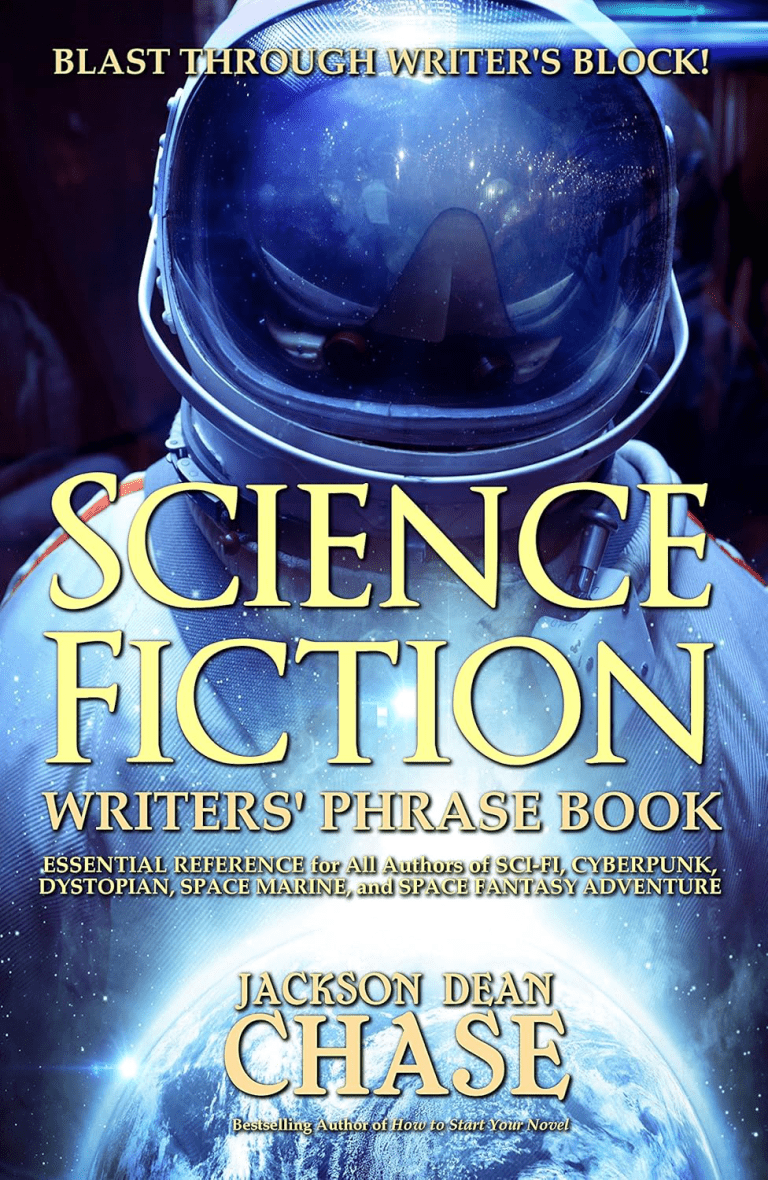
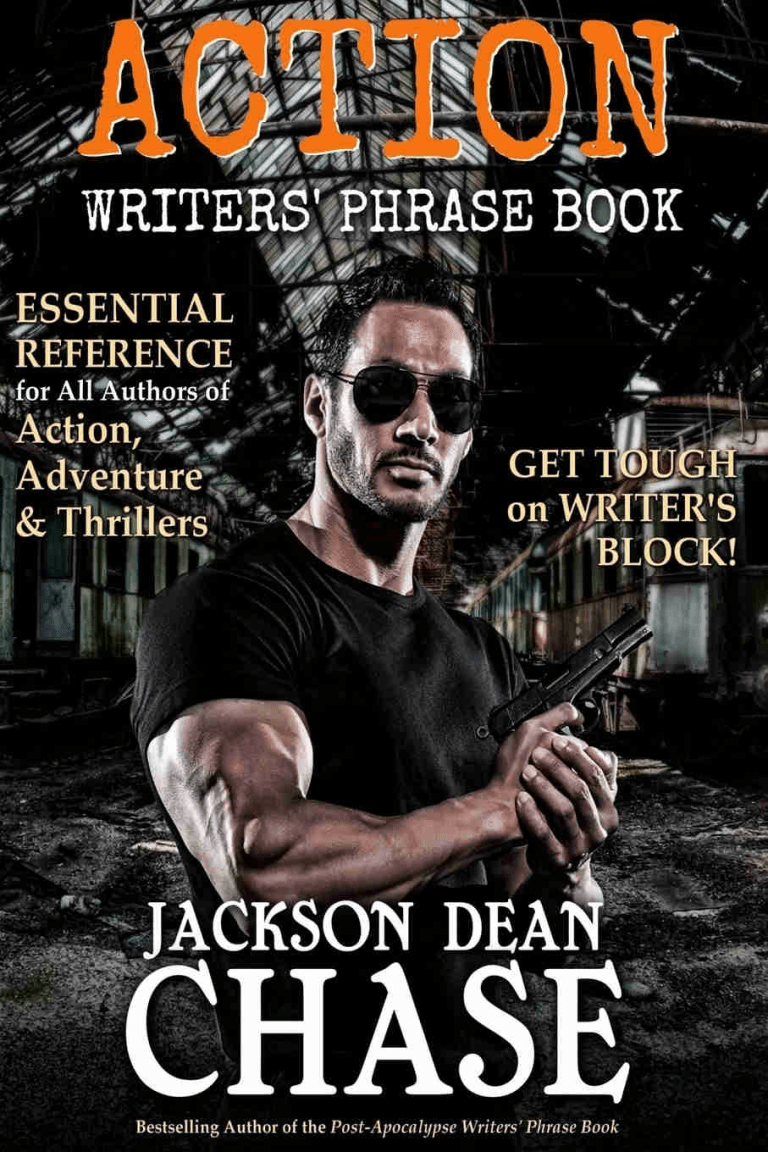
Other Books in the Writers' Phrase Books Series

Other Books From – Writing and Language






About the author