
Before I typed a single word as a professional ghostwriter, I was a photographer of dancers. For nearly a decade I immersed myself in the world of movement, color and performance. Every frame I captured told a story, and the work taught me to look beyond the surface. The pictures were of dancers, and what I was documenting was passion, culture and identity.
That work led to annual birthday parties where a hundred to two hundred and sixty dancers would gather to celebrate life, friendship and art. One year I rented a pirate ship. Another time I booked a town hall and brought in live performers and ethnic catering.
They were more than parties: immersive storytelling experiences, and each one taught me something about the narrative arcs I’d later help clients build in their books.
What is it like to photograph the same dancer for years?
One of my closest photography subjects. A bold and wildly creative dancer with a bone through her nose and tattoos that once made my conservative side shudder.
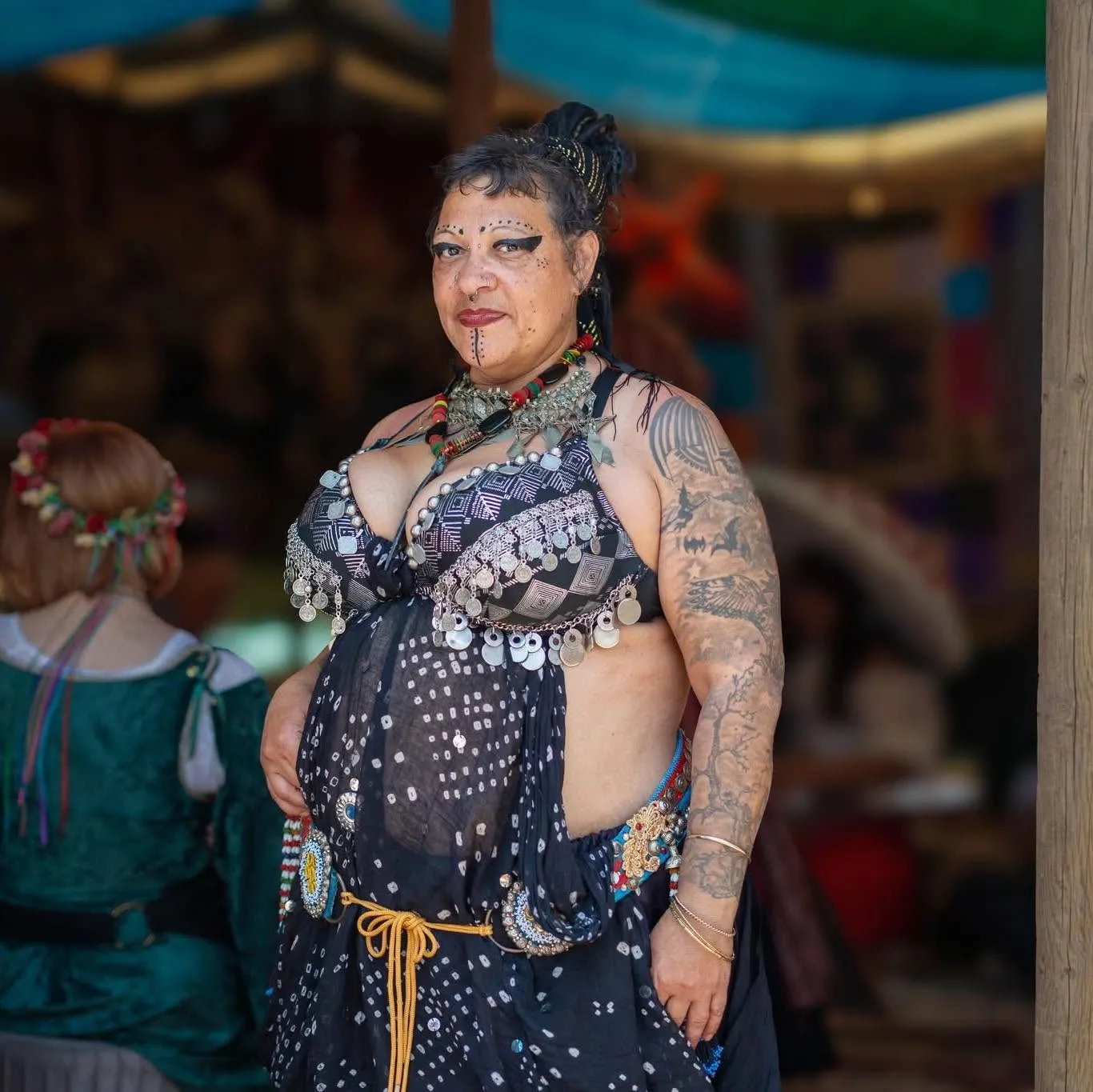
We became friends.
I put that plainly because the shudder is the real part and leaving it out would make me sound better than I was. I came from somewhere that had opinions about people who looked like that, and I’d absorbed them without examining them, and what changed my mind wasn’t an argument.
Through her and others in that community I learned to embrace diversity of expression. I also realized something important: everyone, no matter how unconventional, has a story that deserves to be told.
The book on this: The Ghostwriting Advantage is 48 chapters on hiring one from the buyer’s side: vetting, contracts, pricing, and what the process asks of you.
What did years of photographing one dancer teach about ghostwriting?
The thing I still use every day: the surface of a person is never the story. That sounds like a sentiment. In practice it’s a working method. When somebody sits down for an interview, what arrives first is the version they’ve told before: the polished summary, the anecdote that gets a reliable reaction, the account of themselves that’s been sanded smooth by repetition.
The polished version gives me nothing I can build a book on. It’s the surface, the same thing a person shows a photographer in the first ten minutes, before they forget the camera is there. A ghostwriter who writes from that version hands you back a book you could have recited yourself, and I think that’s a waste of the client’s money and months.
Photography taught me to wait for the moment after that, and to recognize it when it came. Ghostwriting is the same job conducted with different equipment.
Why does that photography lesson matter for somebody hiring a ghostwriter?
Because it tells you what to look for, and writing samples are the wrong place to look.
Writing is learnable and plenty of people can do it competently. What decides whether your book sounds like you is whether the person across the table is curious about you, and can tell the difference between what you said and what you meant. You can test that in a first conversation. A ghostwriter who spends the meeting describing their process is selling. One who spends it asking about you, and asking second questions that could only have come from listening to your first answer, is doing the job already.
What if your story feels too small?
If you’ve ever wondered whether your story is too much, too weird, or too ordinary, I’m here to tell you it’s not. It’s yours, and that makes it worth telling.
The too weird worry is nearly always wrong, and Marjhani is my evidence. The too ordinary worry is wrong for a different reason: ordinary is what readers recognize. A life with no dramatic incident in it can still contain the thing somebody needed to read, and frequently does.
The too weird worry is nearly always wrong, and Marjhani is my evidence.Share on X
What doesn’t work is a book with nothing at stake for the person writing it. That’s a different problem from being ordinary, and I want a prospect to hear it from me on the first call, before the book gets written and lands with nobody.
How does a technical career lead to photography?
By an unlikely turn that started in a server room, a different essay.
What matters here is that the two are closer than they look. Both are about being in the room with somebody until they stop performing. Both require you to be interested in a person for their sake instead of for what you’re getting from them. Both fail the same way, when the person behind the equipment has already decided what they’re going to find.
How do you choose a ghostwriter?
Watch whether they ask second questions. Anybody can ask the first one from a list.
Notice whether they’re curious or polite. Those look similar for about fifteen minutes.
Don’t lead with the polished version. They’ll get it anyway. What matters is whether they can hear past it.
Assume your story is worth it. The doubt is nearly universal and nearly always wrong.
Ask what they think your book is about after the first conversation. The answer tells you whether they were listening or waiting.
Marjhani would find it funny that she’s in a book about ghostwriting. She’s in it because she’s the reason I know that the person in front of me is never who I assumed, and everything I do for a living rests on that.
