Stanley Kubrick made thirteen features in forty-six years, which tells you most of what you need to know about the working method. He researched exhaustively, shot enormous numbers of takes, controlled distribution and marketing where he could, and moved between genres so completely that a viewer coming to his filmography cold would not obviously identify one director behind Paths of Glory, 2001, A Clockwork Orange, Barry Lyndon and The Shining.
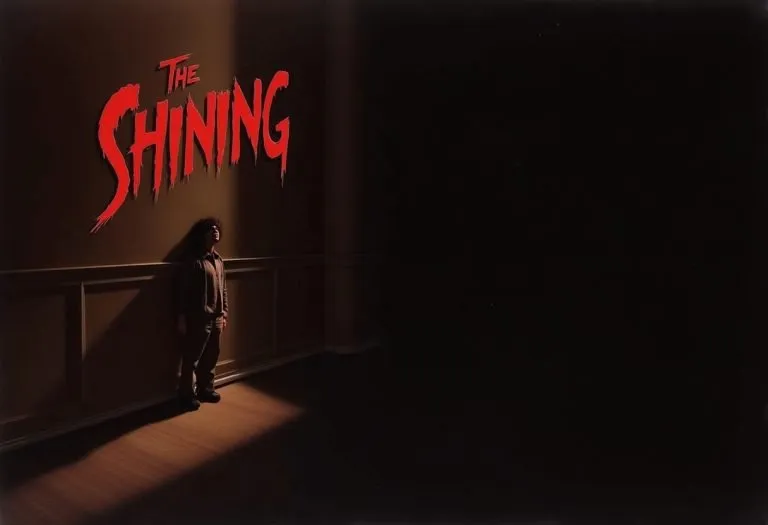
What connects them is a temperature. Kubrick’s camera is symmetrical, centered and slightly too far back, and it observes institutional cruelty without editorializing. The Steadicam tracking through the Overlook, the one-point perspective corridors, the slow zooms out that make a character smaller inside a frame, all produce the same effect: the audience is watching a system operate and the people inside it are not going to win.
He was an early adopter of technology when it served an image and not for its own sake. The Zeiss lenses adapted from NASA equipment to shoot Barry Lyndon by candlelight, the front projection in 2001, and the front-loaded Steadicam work in The Shining were all solutions to specific compositional problems. The technical reputation sometimes obscures how funny he is; Dr. Strangelove and parts of A Clockwork Orange are broad comedy played completely straight.
He won a single competitive Academy Award, for the visual effects on 2001, which is an odd footnote for a director this consequential. His films have kept generating interpretation for decades partly because he refused to explain them, and that refusal is itself instructive: a work that answers its own questions stops being interesting the moment the answer lands.