
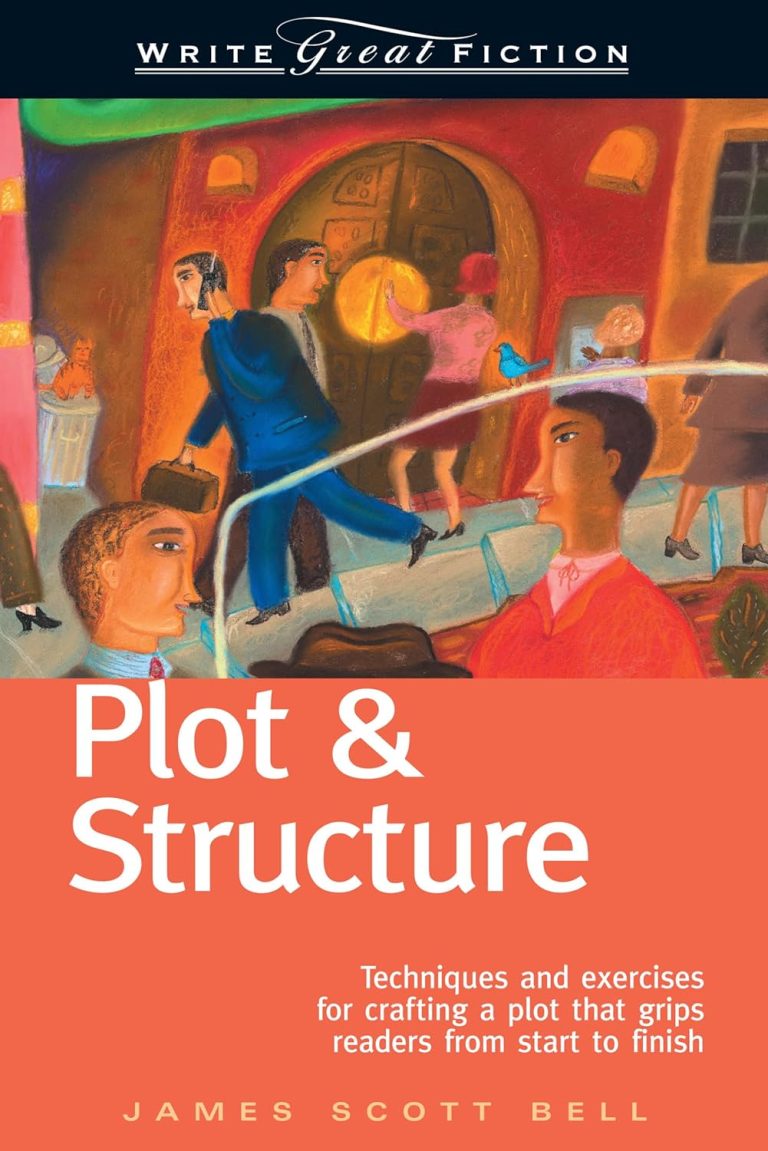
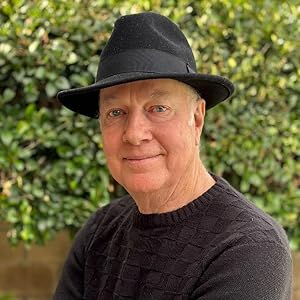
James Scott Bell is an American novelist and writing-craft author whose Write Great Fiction: Plot and Structure (Writer's Digest Books, 2004) has become one of the bestselling craft books of the past twenty years. A former trial lawyer in Los Angeles, he is the author of more than a dozen thrillers, a Christy Award winner, an International Thriller Writers Award finalist, and a longtime fiction columnist for Writer's Digest magazine.
Plot and Structure is built around the practical craft of constructing a story that grips a reader from the first page to the last: techniques for strong beginnings, middles, and endings; brainstorming methods for fresh plot ideas; story structure models that work across genres; ready-to-use diagnostic checklists for repairing a plot that has stalled; and exercises at the end of each chapter to put the methods to work on a manuscript in progress.
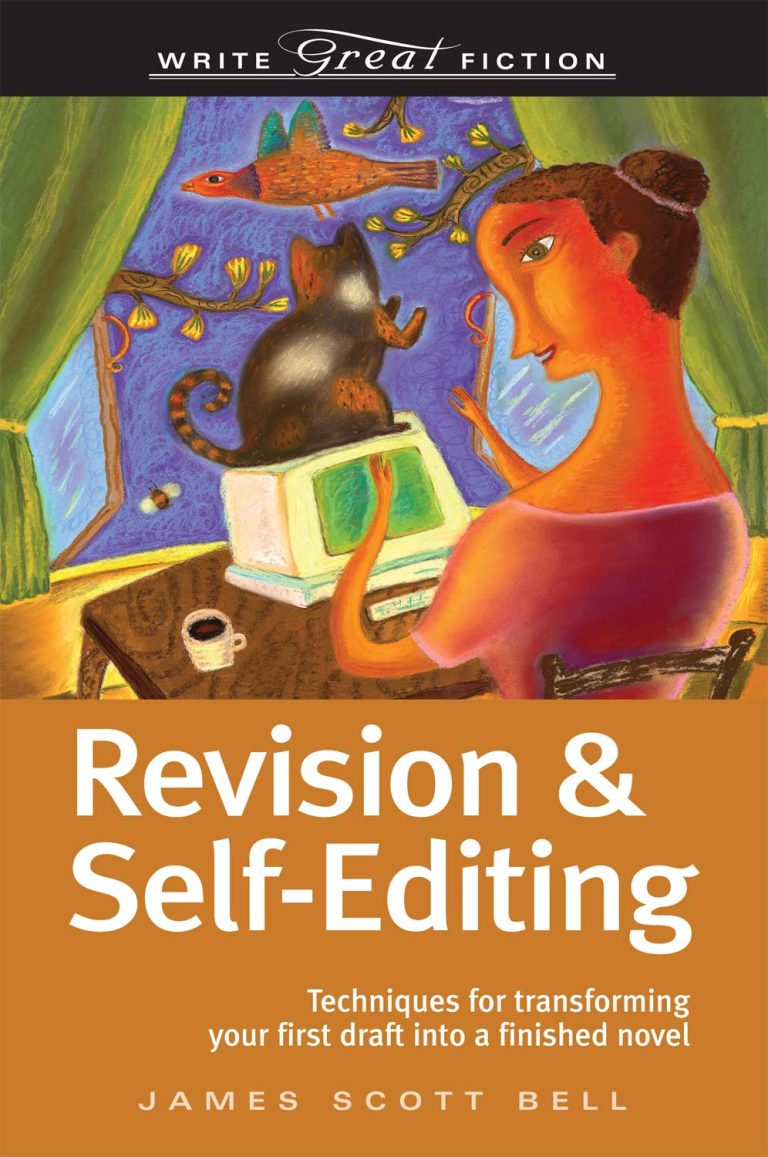
His other writing books include Write Your Novel From the Middle, Revision and Self-Editing, The Art of War for Writers, How to Write Pulp Fiction, Conflict and Suspense, and Voice: The Secret Power of Great Writing. Together they make up one of the most-cited writing libraries on the working novelist's shelf. He has taught novel writing at Pepperdine University and is a frequent keynote speaker at writers conferences across the United States.
His fiction includes the Ty Buchanan legal thriller series (Try Dying, Try Darkness, Try Fear), the Mallory Caine zombie attorney series, and standalone thrillers including Deceived, Presumed Guilty, Watch Your Back, and One More Lie. He attended the University of California, Santa Barbara before practicing trial law, and now writes and teaches full time from his home in Los Angeles.
James Scott Bell
James Scott Bell
Professional ghostwriting for executives, founders, coaches, and authors who want to get the book done right. 113+ books authored. 54+ ghostwritten for clients.
Ready to discuss your book?
BOOK YOUR PRIVATE CONSULTATIONNo pitch. No pressure.
© 2026 Richard Lowe. The Writing King. All rights reserved.