Latest
Vesuvius Day: The Teenager Who Wrote Down Pompeii’s Last DayAnti-Communism Week: Remembering the Writers Communism SilencedVoyager 1 One Light-Day: Fifty Years to Travel One Day of LightVellum Added an Optional AI Feature. A Pile-On Killed It in a Day.Are AI Subscriptions Losing Money? The Gym Membership Math Says NoAI Terms Every Writer Should Know, and Why Each One MattersWorking While Sick: What 24/7 On Call Cost MeHe Banned AI From His Writing Group. His Own Cover Got Called AI Slop.Who Writes the Fake Fan Mail Authors Get? Inside the Scam CompoundsSMS Appointment RemindersJoe Rockey: Ghostwriting His BookDarrell Stern: Stop Being Invisible, Become UnmissableFree BooksHow to Turn Your Expertise Into a Book People Want to Read | The Expert MethodWhat’s New at The Writing King: Week of October 25, 2026Challenger Remembrance Day: The Engineer Who Wouldn’t SignJoel Salomon: The Truth About MoneyReddit Is Putting Up a Login Wall. Wikipedia Won’t Be Far Behind.Victoria Chemko: The Body Is the First TechnologySir Patrick Stewart: A TributeA Year in the Bank: ADHD, Face Blindness and the Freedom to Walk Out | The Impossible Puzzles Show, Episode 326A Yale Economist Says We Won’t Be Missed. He Forgot the Bread Line.Walter Koenig: A TributeI Don’t Post Bad ARC Reviews. I Send the Author a Note.AI Has Paid Off Outside Tech. Apollo Is Reading the Wrong Scoreboard.The Little Red Book of Stuff That Works!Your Kids Are Your Own FaultGrow a PairYou’re Broke Because You Want to BeIt’s Called Work for a Reason!No Time for TactShut Up, Stop Whining, and Get a LifeWilliam Bessette: AI Enablement and Child Welfare TechnologyFree Book Planning ToolsWhat’s New at The Writing King: Week of October 18, 2026Ghostwriting by the Numbers: Timelines, Word Counts and the First CallPromising Young Woman (2020) ReviewBillions for AI, Pennies for the Plumbing: AI Companies Should Pay to Keep PHP AlivePHP2Shell: AI Found a 22-Year-Old Crack Under Your Website in Two DaysKindle Unlimited Is Now Kindle+. AI Audiobooks Just Joined the BuffetPetrov Day: The Officer Who Didn’t Believe the ComputerThe Society of Authors Signed an Ethical AI Charter, Then Ran From It in Eight DaysMo Gawdat Says the AI Dystopia Starts in 2027. Read the List, Skip the DatesWhen to Quit Writing a Book: I’ve Abandoned Dozens, and I’d Do It AgainChina Is Using Bots to Fan the Data Center Backlash. The Backlash Is Still Real.Getty Images Filed for Bankruptcy. Can You Prove You Licensed Your Book’s Images?Fluff Words: Cut Them From Your Prose, Keep Them in Your DialogueWhere Can Writers Learn Storytelling From Movies? Richard Lowe Publishes 1,226 Film and TV Reviews With Writing Craft NotesWhere Are the Independent Bookstores and Public Libraries Worth Visiting in Tampa Bay? Author Richard Lowe Profiles 44 of ThemWhat Should You Know Before Hiring a Ghostwriter? The Writing King Publishes 57 New Answers, Including What to Do When It Goes Wrong

Marc McCutcheon

Marc McCutcheon

Marc McCutcheon is an American reference-book author whose dictionaries, thesauri, and writing references have sat on more novelists' desks for the past thirty years than almost any other single author's work. He has written more than fifteen reference titles spanning vocabulary, descriptive writing, historical research, and character building, and lives in South Portland, Maine, where he is also a bookstore owner.

His best-known book is Roget's Super Thesaurus, the expanded Roget that adds concise definitions, sample sentences for hard-to-place words, and a reverse dictionary alongside the standard synonym structure. It has gone through multiple editions since the 1990s and is one of the most-used thesauri among working writers. Descriptionary, his thematic dictionary, uses the opposite structure: words and terms grouped by subject area so a writer who knows what a thing is but not what it is called can find the word. Categories range from anatomy and architecture to weapons, vehicles, costume, religion, politics, and the Internet. It has run to four editions.

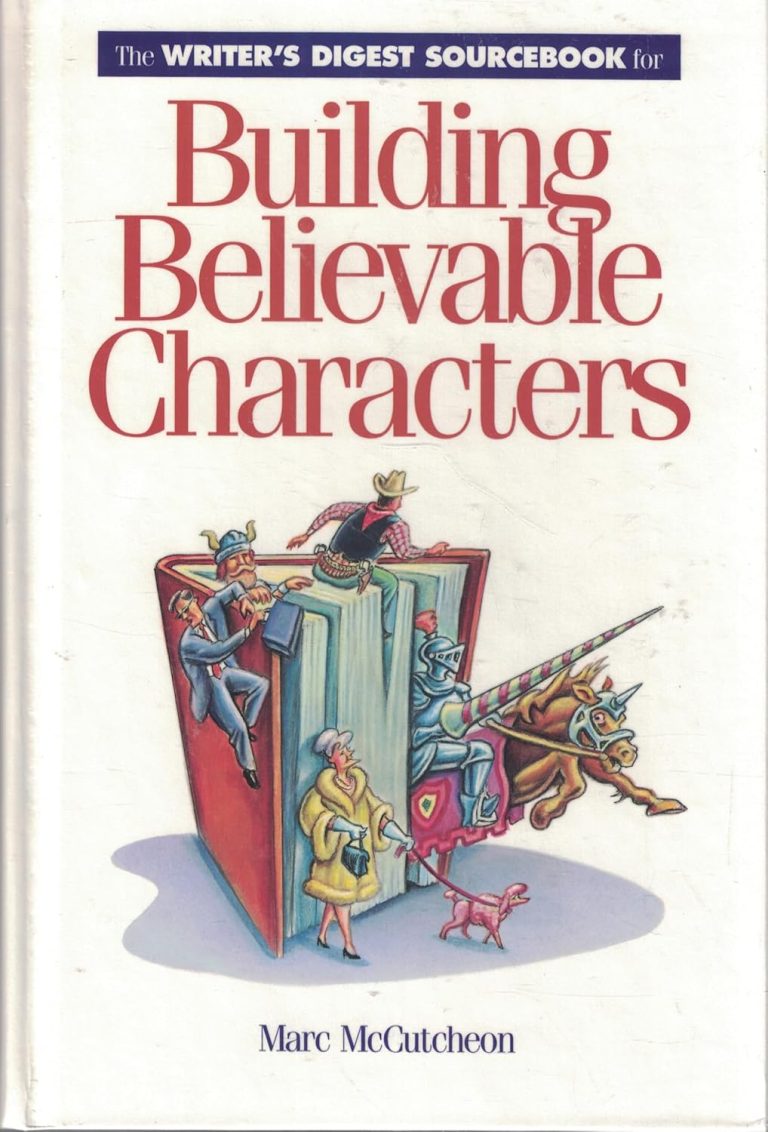
His writing-craft titles include The Writer's Digest Sourcebook for Building Believable Characters, a research-driven character-creation reference covering physical description, psychology, occupations, and dialogue patterns, and Damn! Why Didn't I Write That?, a practical guide to writing nonfiction books for money. His historical research references include Everyday Life in the 1800s and The Writer's Guide to Everyday Life from Prohibition Through World War II, both designed to give historical and period novelists the household details, slang, prices, fashions, technology, transportation, and social customs that make period fiction read true.

His general nonfiction includes The Compass in Your Nose and Other Astonishing Facts About Humans, a science-trivia book, and the children's title The Beast in You! Activities and Questions to Explore Evolution. He has also written The Facts on File Student's Thesaurus and the children's Christmas book Grandfather's Christmas Camp.