Latest
It’s Not X, It’s Y: The AI Tell Shakespeare Wrote FirstWho Gets Rich From AI Data Centers? The Local, National and Global EconomyAre AI Data Centers Bad for the Environment? What’s True and What Isn’tAI Data Centers and Geopolitics: Chips, China, Spies and PowerAI Derangement Syndrome: Who Cares If the Cover Was Made With AI?How to Write a Plot Twist Readers Never See ComingBook Ads Getting Clicks but No Sales? The Problem Is the PageCan Writing a Memoir Make You Sick? The Toll Nobody Warns You AboutWhen Caregiving Ends and the Words Won’t ComeCan You Publish a Clean and a Spicy Version of the Same Book?Do You Need a Writing Buddy? What Works and What Doesn’tCan You Put Someone Who Wronged You in Your Novel?Kindle Unlimited or Wide? Where to Publish Your Debut NovelWriting Vampires: How to Build Your Own Vampire RulesWhat Software Do Novelists Use to Write a Book?What If Your Family Doesn’t Support Your Writing?ARC Reviews: Real Follow-Through Numbers, and Do Reviews Sell Books?The AI Singularity: Would a Conscious AI Even Care About Us?“Forbidden” AI Prompts: Why Viral Prompt Lists Are Mostly JunkAuthor Scam Emails: Fake Agents, Flattery and the $500 PitchWill AI Steal My Book? Turn Off Training Before You UploadThe Fear of Being Judged for Your Memoir: My Father Told Everyone to Burn MineShould You Only Use “Said” in Dialogue Tags? My Rules for Tags and AdverbsWhy a Good Book Isn’t Enough: Agents, Quiet Novels and What SellsShe Asked How to Format Her Comic for KDP. The Thread Went to War Over AI.Why Are Writing Groups So Hostile?My Ghostwriter Stopped Responding. What Do I Do?My Ghostwriter Missed the Deadline. What Are My Options?I Hate My Ghostwriter’s First Draft. Now What?Can I Get a Refund From a Ghostwriter?How Many Revisions Should a Ghostwriter Include?Can My Ghostwriter List My Book in Their Portfolio?My Family Doesn’t Want Me to Publish My Ghostwritten Memoir. Now What?Should a Ghostwriter Write a Free Sample Chapter?How Much Does a Ghostwriter Take Up Front?Can a Ghostwriter Get Me a Book Deal or a Literary Agent?Can I Work With a Ghostwriter Over Zoom or From Another Country?Ghostwriting a Tribute Book, Eulogy or Obituary for Someone You LostCan a Ghostwriter Write My Book in Spanish?Ghostwriting a Book for a Dental or Chiropractic PracticeWhy Keynote Speakers Need a Ghostwritten BookGhostwriting a Science or Research Book for General ReadersGhostwriting a Book for Teachers and EducatorsHiring a Ghostwriter for a Pilot’s or Aviation MemoirHiring a Ghostwriter for a Musician’s MemoirCan a Ghostwriter Help Me Write a Whistleblower Memoir?Hiring a Ghostwriter for an Immigrant’s StoryCan a Ghostwriter Help Me Write About Losing Someone to Suicide?Can a Ghostwriter Help Me Write a Depression or Mental Illness Memoir?Hiring a Ghostwriter for a Special-Needs Parent’s Memoir

Ian Stevenson

Ian Stevenson

Ian Pretyman Stevenson was born in Montreal in 1918 and trained in medicine at McGill University, graduating top of his class. He worked in biochemistry and psychosomatic medicine before being appointed head of the Department of Psychiatry at the University of Virginia School of Medicine in 1957, at thirty-nine.

He had a conventional and successful career ahead of him and chose to spend it on a subject his colleagues regarded as career-ending. From 1961 he investigated young children who made specific statements about a previous life, travelling repeatedly to India, Sri Lanka, Lebanon, Turkey, Thailand, and elsewhere, and eventually documenting more than two thousand cases.

His method was deliberately unpersuasive. He recorded what a child said, when, and to whom, interviewed witnesses separately, established whether the two families had prior contact, and then checked the statements against whatever record existed. The write-ups are dry, list the failures to verify alongside the successes, and include the alternative explanations. He resigned his department chair in 1967 to work on this full time, funded by an endowment from the Xerox founder Chester Carlson.

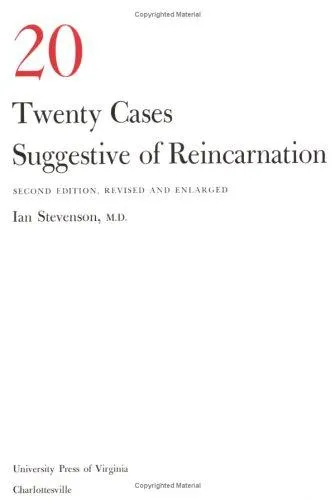
Twenty Cases Suggestive of Reincarnation appeared in 1966, four volumes of Cases of the Reincarnation Type between 1975 and 1983, European Cases of the Reincarnation Type in 2003, and the two-volume Reincarnation and Biology in 1997, which documented children whose birthmarks corresponded to wounds on the person they described.

He was careful to the point of stubbornness about what he claimed. He argued that reincarnation was the best available explanation for a subset of his cases, never that it had been demonstrated, and defended the word suggestive in his first title for the rest of his life. A reviewer in the Journal of the American Medical Association noted that he had collected the material painstakingly and unemotionally and that it was difficult to explain on other grounds.

He died in 2007. The research continues at the University of Virginia under Jim Tucker.