Latest
Reshoring: The Factory Is the Easy PartMost of the Books I Was Forced to Read in High School Were CrapPlot Armor: Signs Your Hero Is Too Safe, and How to Fix ItShould You Sell Lifetime Rights to Your Self-Published Book for a Modest Advance?Shame Doesn’t Stop Artists From Using AI. It Stops Them From Telling You.AI Labels on TikTok and Meta Are Flagging Human WorkAuthor Richard Lowe Completes Peacekeeper, a Four-Book Science Fiction Series He Started at Age 14Fan Art Copied by AI: Glass Houses, Copyright and the Pile-OnSir Sam Neill: A TributeReal Names in a Book: Who Gets Sued, the Author, the Publisher or the Ghostwriter?When Characters Take Over the Plot, Let ThemDoes Human Writing Have a Soul?“You’re Not a Real Author”: The Pile-On Over AI-Assisted BooksDoes AI Have a Soul? Wrong QuestionHumor in Book Marketing: Getting Attention Without BeggingHow Long Should a Chapter Be? Manuscript Habits That Save You LaterThe Business Novel and the Companion Workbook: Two Formats Business Authors OverlookThe Back of the Book: Index, About the Author, Acknowledgments and Back Cover CopyI Build My Own Software Tools With Claude, and Some of Them Bit MeWhat Years of Buying From IT Vendors Taught MeThree Management Habits That Waste Good PeopleI Write Books for a Living. I Barely Read Them Anymore.The Coach and the Webinar That Sold Me NothingThe Work I’d Cringe At Now, and Why I’m Glad I DoPreface, Prologue, Foreword or Introduction: What Goes WhereWho Is Your Book For? Build a Reader Avatar Before Chapter OneWhy I Won’t Build a Ghostwriting Business That ScalesHow I Hire a Virtual Assistant: Do It, Script It, Hand It OffThe Mail Carrier Who Thought Flipping Houses Was EasyWhat Wedding Photography Taught Me About Pricing Creative WorkCloudflare’s Free Tier Got My Money, and I’d Pay AgainYou Can’t Edit Your Way Onto WikipediaBottom-Up, Top-Down: Why I Build Both Ways at OnceSix Months in Las Vegas and I Never Placed a BetMy Smart Speaker Took Over a Device I Never ConnectedThe Finished Movies Studios Threw Away for a Tax Write-OffReading Josephus: Pick the Right Translation and Watch His BiasResearch Your Amazon Categories Before You Write a WordThe Two Times the Desert Nearly Kept MeIs Writing With AI Theft? Stop Calling Writers ThievesGrandma Isn’t AI Slop: The Pile-On Over Restored Family PhotosAI Photo Restoration for Your Book: Fix the Photo, Keep the OriginalWhat Does AI Say When Someone Searches Your Name?It’s Not X, It’s Y: The AI Tell Shakespeare Wrote FirstWho Gets Rich From AI Data Centers? The Local, National and Global EconomyAI Data Centers and Geopolitics: Chips, China, Spies and PowerAre AI Data Centers Bad for the Environment? What’s True and What Isn’tHow to Write a Plot Twist Readers Never See ComingAI Derangement Syndrome: Who Cares If the Cover Was Made With AI?Book Ads Getting Clicks but No Sales? The Problem Is the Page

Alex Gino

Alex Gino

Alex Gino is an American author of fiction for young readers, known for centering LGBTQ+ characters and themes. Gino, who uses singular they pronouns, was born in 1976 and grew up in Staten Island, New York. Long involved in activism around gender and identity, Gino brought that perspective to writing for children and middle-grade readers.

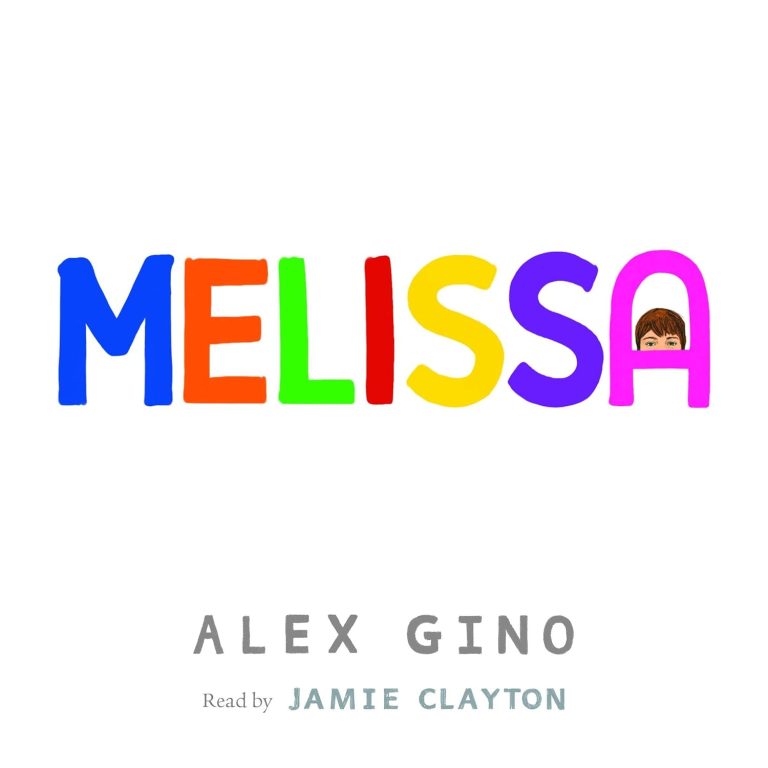
Gino is best known for the debut middle-grade novel originally published in 2015 as George and later reissued under the author's preferred title Melissa. The book tells the story of a transgender girl who longs to play Charlotte in her class production of Charlotte's Web and to be recognized as the girl she knows herself to be. It was praised as a groundbreaking, affirming portrayal of a transgender child for young readers.

The novel won the Stonewall Book Award and other honors, but also became one of the most frequently challenged and banned books in American libraries and schools, placing Gino at the center of national debates over representation and censorship in children's literature.

Gino has continued to write inclusive fiction for young people, including the novels You Don't Know Everything, Jilly P! and Rick. Through accessible, compassionate storytelling, Gino has become an important voice for LGBTQ+ representation in middle-grade literature.