TL;DR
9/10. A deserved classic and very nearly a perfect short novel. A model of prose style and compression, fusing gorgeous language, indelible characters, and a deep critique of the American Dream into two hundred unwasted pages. It falls just short of perfect only because its quiet, craft-driven greatness rewards the right approach over page-turning incident. Essential reading and essential study.
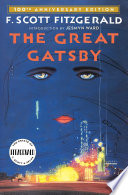
Some books win the label classic and then keep justifying it. The Great Gatsby by F. Scott Fitzgerald, the 1925 story of the mysterious millionaire Jay Gatsby and his doomed pursuit of Daisy Buchanan, narrated by the watchful Nick Carraway, is among the most celebrated American novels ever written, and I think every bit of the acclaim is deserved. Fitzgerald makes most fat literary novels look like padding.
In a slim two hundred pages, Fitzgerald produced a near-perfect example of the form: gorgeous prose, an indelible cast, a tragedy that doubles as a critique of the American Dream, and an economy that wastes not a word. For a reader, it’s a real pleasure; for a writer, it’s a lesson in how much a short novel can hold. Its endurance is the proof of its quality. A century on it still reads as fresh, moving, and exactly as long as it needs to be. Almost nothing manages that.
Prose as its own argument
The first thing a reader notices is the writing. Fitzgerald’s prose is justly famous, lyrical without being overwrought, precise, image-rich, and capable of carrying enormous emotional and thematic weight in a single sentence, and the closing lines are among the most quoted in American literature for good reason. For a writer the book is a model of style. Beautiful, controlled prose lifts the story until it’s inseparable from the meaning. And restraint, with every word doing work, produces more power than excess.
The language is the story’s argument about longing, time, and the past, made audible. That fusion of style and substance separates great writing from merely good. Most writers who reach for lyrical end up purple. Fitzgerald never does. His control is staggering.
Keep reading
Prose style: when the writing becomes the meaning: Fitzgerald’s fusion of language and theme, in the craft of style that matters.
Economy and theme
The book’s other great lesson is compression. In an unusually short novel, Fitzgerald creates fully realized characters, a gripping and tragic plot, a vivid evocation of the Jazz Age, and a deep meditation on the American Dream, aspiration, illusion, class, and the impossibility of repeating the past, without a wasted page.
The themes emerge from character and event instead of being stated. The symbolism works for the same reason. The green light, the eyes of Doctor Eckleburg, the valley of ashes. Each one grows out of the story instead of being laid over it. Any novelist padding a manuscript to four hundred pages should be embarrassed by this book. It proves a short book can outpower a long one. Economy and depth are partners when the craft is this assured.
Keep reading
Theme in fiction: carrying big ideas through story, not sermon: Gatsby’s critique of the American Dream, emerging from character instead of statement.
What are the weaknesses of The Great Gatsby?
The caveats are few and mostly about expectation. Its very status as a required-reading classic can work against it; a reader who comes to it as an assignment, or expecting a fast plot, may find its quieter, character-and-mood-driven story less immediately gripping than its reputation promises, since its greatness is in craft and meaning more than incident. Its 1920s milieu and concerns, while universal underneath, are also of their period, and the deliberately unlikable, self-absorbed characters are a feature, an indictment, that some readers mistake for a flaw.
Readers who list the unlikable characters as a complaint irritate me; they’ve missed the point. These are matters of approach instead of quality; met on its own terms, the book more than deserves its standing.
Is The Great Gatsby worth reading?
It’s a deserved classic and very nearly a perfect short novel, a lesson in prose style and in the power of compression, fusing gorgeous, controlled language with fully realized characters and a deep, still-relevant critique of the American Dream, all in two hundred unwasted pages. For a reader it’s a real pleasure, and for a writer it’s essential study in how much a short book can hold and how style and meaning become one.
It falls just short of a perfect score only because its quiet, craft-driven greatness rewards the right approach instead of promising page-turning incident, and its period and deliberately flawed characters ask something of the reader. I held back that last point grudgingly. Met on its own terms, it’s as good as the American novel gets, and I can’t name many books I’d say that about.
Explore the hub
The Entertainment Hub: literary classics and the books that endure, gathered in one place.
Frequently Asked Questions
Other Books From – Fiction
About the author