Latest
Royce Blake: Why Benefits Beat Features in Every Pitch You MakeJoe Rockey: The Psychology of Getting People to Be Honest and to BuyBen the Automator: How to Automate the Work That Wastes Your DayPaul Barry: Making Habit Change Conversational So Nobody Feels HopelessJoe Rockey: The Coming Recession Is About People, Not EconomicsDiana Lee: Using AI as a Thought Partner That Amplifies What Makes You HumanRutherford Pascal: What New Coke, Microsoft, and 32 Years in Pharma Teach About LeadershipAnthony Markey: Why Podcasting Beats Pitch-Slapping as a Way to NetworkBen the Automator: Why Digital Transformation Starts With People, Not SoftwareDeanna Farnell: How a Corporate CPA Rebuilt Her Life Around Healing Stress at the RootDaniel Holguin: Leadership Lessons From a Cancer Survivor and Former Police OfficerDoug Hohulin: How AI Could Save a Billion Lives and Prevent Avoidable DeathsRalph Brown: Four World Records and a Race Around the Entire PlanetMichael O’Brien: Why Startups Fail and What VCs Actually Look ForShawn Abeling: What Bad Leadership Looks Like From the Ground UpRhonda Bowen: Why Great Leaders Are Really Great CommunicatorsNikhil Raval: How to Actually Understand and Lead Gen ZDan Shinder: The Power of Forgiveness and Choosing What You Expose Yourself ToVladimir Ingerman: A Soviet Engineer’s Journey Through Oil, Gas, and InnovationRob Fenstermaker: The Warrior Spirit and What It Means to Lead as a ManDoris Walsh: Coaching High Achievers Torn Between Success and FulfillmentJoe Rockey: Why Your Pricing Fails Before You Ever Set a NumberWhat AI Does Well, and What It Cannot DoThe Most Dangerous Thing You OwnThe Story That Made Me Cry at My KeyboardWhat a Belly dancer Taught Me About WritingGood Security Policy Names NamesWriting Fairy Tales: Techniques That Make Stories WorkMaster Superhero Fiction: Top 10 Writing TechniquesRhythm in Writing: How to Give Your Prose a PulseI’ll Write It Myself SomedayALLi Author Self-Publishing Success StoryEmotional Writing: 8 Inspiring Techniques for Deeper ConnectionsLiterature Related Holidays: Over 100 Festive Dates for BookwormsUsing an Animal’s POV: 7 Tips for Unique StorytellingThematic Writing: 7 Techniques That Hold a Book TogetherSoftware Testing: 10 Things Most Teams Get WrongUncanny Valley in Writing: What It Is and How to Use ItWhy YouTube Sucks: A Love-Hate Account (With the Numbers)Facing Hurricane Irma: 7 Lessons in Storm SurvivalWhy TikTok Sucks: The Criticism, Backed by the NumbersEcho Chambers: Why You Are in More Than You ThinkTales from the Digital Trenches: War Stories from the Early Days of ComputingSearch Engine Echo Chambers – Why Google Shows You What You Want to HearMainstream Media Echo Chambers: When the News Becomes a Team SportEcho Chambers in Fiction – How to Write Characters Trapped in Their Own CertaintyWhy Yelp Sucks: 7 Reasons, An Unfiltered ReviewWhat Makes a LinkedIn Post Go ViralCharacter Development: An 8-Step GuideDifferent Writing Styles: A Field Guide to 9 Forms

F. Scott Fitzgerald

F. Scott Fitzgerald

F. Scott Fitzgerald

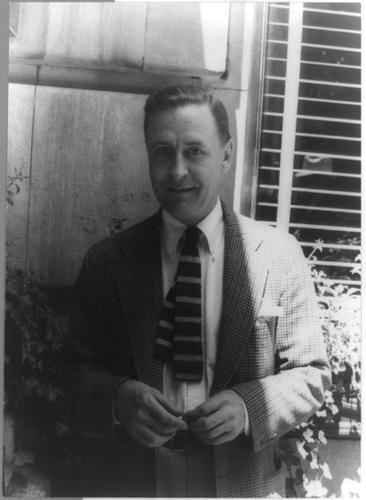
Francis Scott Key Fitzgerald (1896-1940) was an American novelist and short-story writer whose work captured the glamour and disillusionment of the era he named the Jazz Age. Born in St. Paul, Minnesota, he attended Princeton University, where he devoted himself to writing rather than his studies and left without a degree before serving in the army during the First World War.

His first novel, This Side of Paradise, published in 1920, made him famous almost overnight and allowed him to marry Zelda Sayre, the woman who became both his muse and, through her own struggles and their turbulent marriage, a source of lasting pain. The couple became emblems of the reckless prosperity of the 1920s, living lavishly in New York, on Long Island, and among the American expatriates in France.

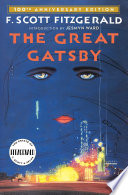
Fitzgerald is best known for The Great Gatsby, published in 1925, a short novel about wealth, longing, and the corruption of the American Dream that is now regarded as one of the finest works in American literature. His other novels include The Beautiful and Damned and Tender Is the Night, and he left a fifth, The Love of the Last Tycoon, unfinished at his death.

He was also a prolific and highly paid writer of short stories for magazines, work that funded his expensive life but that he often regarded as a distraction from his serious fiction. Many of these stories treat the same themes of youth, promise, and decline that run through his novels.

Fitzgerald's reputation faded in his later years, and he died believing himself a failure while working in Hollywood. In the decades since, his standing has risen enormously, and he is now considered one of the defining voices of twentieth-century American writing.