
Your bio is a handshake. In person you’d never walk up to someone and recite your job title and a list of adjectives. You’d say something simple and human that tells them who you are and gives them a reason to keep talking. A handshake is fast, direct, and either warm or forgettable, and you get exactly one. The craft of a good bio is making those three seconds feel like a handshake instead of a press release. Everything below closes the gap between how you’d introduce yourself and how most bios read.
What formula makes a social media bio work?
Every effective bio I’ve written follows one structure: who you are, what you do, and why they should care.
In practice: “Marketing consultant who helps small businesses double their revenue through proven email strategies. Download my free guide below.” Notice what’s missing. No fluff about being a “passionate innovator” or “thought leader.” Clear value that tells people what they get by following you.
The biggest mistake I see is leading with a job title.
“Senior Marketing Manager at ABC Corp” tells me nothing about what you can do for me. “I help B2B companies generate 3x more leads through LinkedIn” tells me what you’re good at and whether I need it. Your credentials are supporting evidence and belong below the headline. People don’t follow job titles. They follow people who can solve their problems.
“I help B2B companies generate 3x more leads through LinkedIn” tells me what you’re good at and whether I need it.Share on X
Why does a specific social media bio beat a vague one?
Vague bios die in the attention economy. “Marketing professional with extensive experience” could be anyone. “Email marketing specialist who increased client revenue by 40%” gives me something I can picture. Numbers grab attention and build credibility. Say you have “helped 200+ businesses increase sales” and people can see those clients.
Say you have “many clients” and they see nothing. This works on every platform. Whether you’re writing for LinkedIn’s professional audience or Instagram’s casual one, concrete details beat abstractions.
Write it like a human. A bio in third person (“John Smith is a results-driven professional who leverages synergistic solutions”) reads like a press release. First person (“I help executives turn their expertise into books”) sounds like a real person talking to you. That matters everywhere, and it matters most on Instagram and X, where conversation is the point.
How should a social media bio change across platforms?
The biggest mistake I see is leading with a job title.
Your core message stays the same. How you present it should match the platform. LinkedIn wants your professional value. Instagram wants your personality. X wants your perspective in one line. The same person might write on LinkedIn “I help tech executives turn expertise into authority through ghostwritten books | 33 years in enterprise IT | 113+ books authored,” and on Instagram “Turning life stories into books. Former tech exec turned ghostwriter. Your story matters, let’s tell it right.”
Same value proposition, different energy. The LinkedIn version builds professional credibility. The Instagram version shows personality. On any platform, end with the call to action everyone forgets. Most bios never tell people what to do next. Add a clear direction: “DM me for a free consultation” or “Download my guide below.” Make it offer something immediately. “Get my free 5-point leadership checklist” beats “Contact me for more info.” This is the same value-first discipline behind optimizing a full LinkedIn profile.
My take
Lead your bio with what people want to know about you, and cut everything else. I’ve rewritten more than a hundred LinkedIn profiles, and vague bios lose every time. Say who you help and how, with a number if you have one. Shift the energy for each platform. End with one clear action and an offer, because most bios leave the reader with nowhere to go.
What mistakes ruin a social media bio?
Avoid the buzzword trap. Every industry leans on the same worn-out words: “thought leader,” “guru,” “passionate innovator,” “results-driven professional.” They’ve been used so heavily they carry no meaning. Instead of calling yourself a thought leader, share a thought that shows leadership. Instead of claiming passion, show it with a specific example. “I believe every leader has a story worth telling” beats any buzzword.
Keep it fresh. Your bio isn’t a tattoo. New job, update it. New achievement, add it. New focus, say so.
Review it every few months for relevance and accuracy both. The problems you solved six months ago may not be the ones you solve now, and a stale bio tells people you’ve gone stale too.
Yahoo hired Scott Thompson as its CEO in January 2012. His official bio, including the version in Yahoo’s filing with the Securities and Exchange Commission, said he held a bachelor’s degree in accounting and computer science from Stonehill College. On May 3, activist investor Dan Loeb of Third Point sent Yahoo’s board a letter saying the degree was in accounting only.
Stonehill confirmed it. According to The Boston Globe, college officials said the school’s computer science program didn’t even exist when Thompson graduated in 1979.
Yahoo first called the claim an “inadvertent error” and brought in outside counsel to review its filings. Then, on May 13, CNNMoney reported that Thompson was out after about four months in the job, with media chief Ross Levinsohn named interim CEO.
I don’t know how that extra degree got into his bio, and I won’t guess. I do know it sat in an SEC filing until an investor fighting the board went looking, and it cost Thompson the top job at Yahoo. Read your own bio as if a hostile stranger is checking every line, because sooner or later one will.
Test and learn. Try professional against casual, different keywords, different calls to action. I’ve seen a change as small as “I help companies” to “I help CEOs” double the quality of the connections someone gets. The hardest part of writing about yourself is that you’re too close to see your own value. You know what you do and can’t quite say why it matters to anyone else. If you’re staring at a blank bio box, frozen by the pressure to be interesting in 150 characters, you’re not alone.
Professional writers are good at pulling a value proposition out of you and putting it into words. They interview you to learn what you do and why it matters, then help you see your expertise the way your audience sees it.
Think of your bio as a digital handshake.
In person you wouldn’t say “I’m a results-driven professional leveraging synergistic solutions.” You’d say “I help small businesses figure out their marketing.” Your bio should sound just as natural. It exists to attract the right people and give them one clear next step. A bio written to impress everybody attracts nobody, and I’ve rewritten more than a hundred profiles that failed exactly there. Make every character count, and make every character sound like you.
For more, see what really goes viral on LinkedIn and social media etiquette for professionals. The social media hub covers the rest, and because a book builds the authority that posts only borrow, that’s the work I do. Make it a handshake.
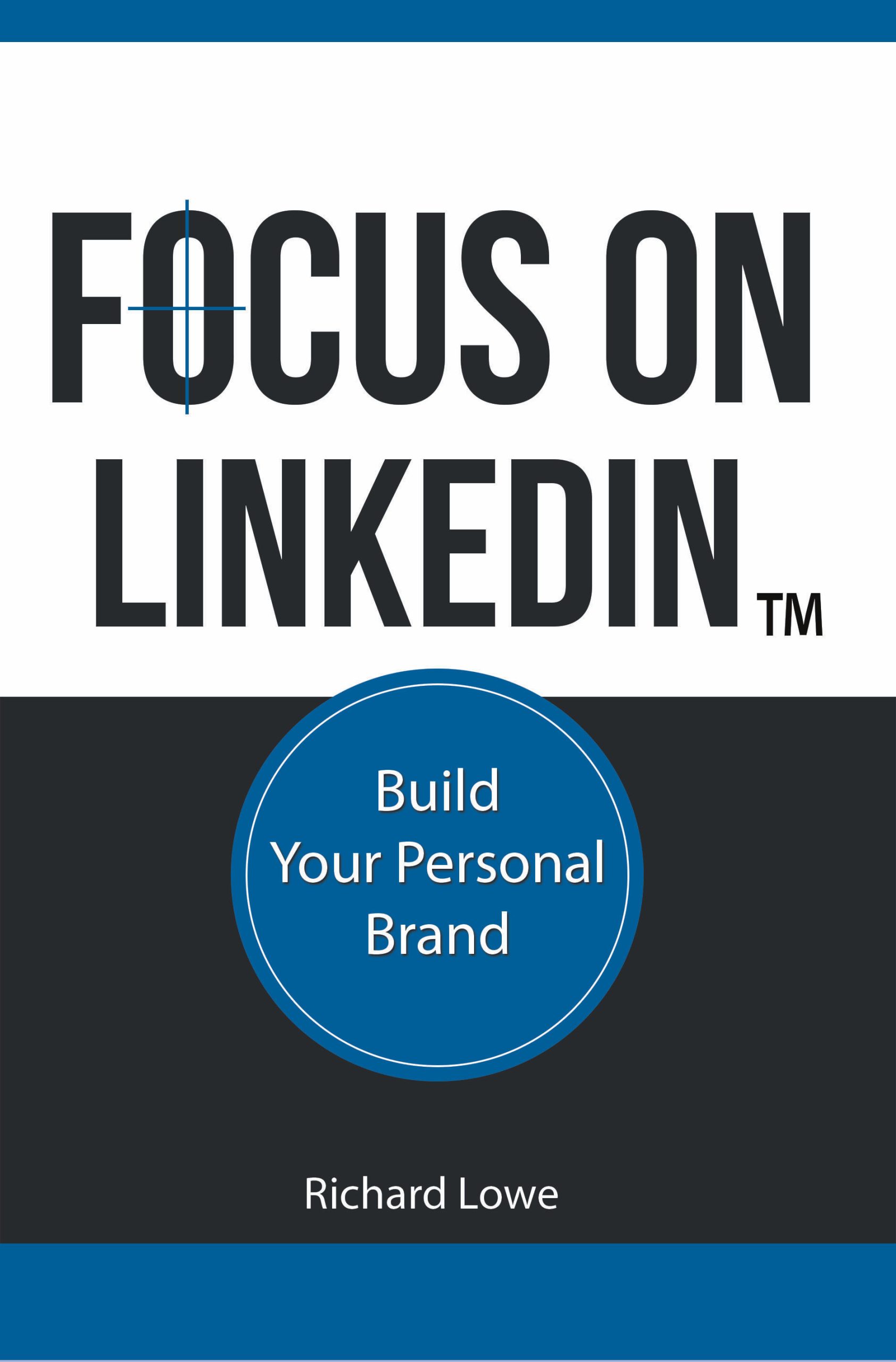
Your bio is one piece of a profile. Focus on LinkedIn is my professional playbook for the rest of it, from the headline down, written after years of rebuilding profiles for clients.
Frequently Asked Questions
The book on this: Focus on LinkedIn is 276 pages on professional presence across the platform, including how a bio earns attention instead of describing a job.
