
I’m an introvert with ADHD and autism. Standing in front of a room full of people and talking should be the last thing I’d volunteer to do. But I speak regularly at Eliances, I’ve done podcast interviews, and I’m preparing to speak at local Toastmasters clubs and other organizations. Public speaking didn’t come naturally to me. It came through a series of events that started with grief and a camera. See what Toastmasters taught me.
Photography as a Bridge
When my wife passed away, I was submerged in grief and isolation. I picked up a camera. It started as escape. I drove to national parks across the U.S. Southwest and photographed landscapes. The silence and scale of those places matched what I was feeling, and the camera gave me something to focus on besides loss.
Most audiences are far more forgiving than you imagine.Share on X
Over time, the subjects changed. Renaissance festivals, belly dancers, wrestling matches, mermaid shows, private photo shoots, weddings. Each one required me to interact with people. I had to direct shots, discuss ideas, coordinate with subjects. The camera gave me a reason to talk to strangers without the pressure of pure social interaction. I was still an introvert, but I was an introvert with a purpose that required communication.
Photography taught me to observe people closely, to notice expressions and body language, to understand what makes someone comfortable or uncomfortable in front of a lens. Those skills transferred directly to public speaking and to interviewing ghostwriting clients. The camera was a bridge from isolation to engagement, and I didn’t realize I was crossing it until I was already on the other side.
For an introvert, I like interviewing more than anyone would expect. The constant conversations are one of the things I love about ghostwriting. That doesn’t mean it’s easy, but I like it.
Watch: The Power of Introverts | Susan Cain @TED #introvert, TED
Does Toastmasters help introverts with public speaking?
Toastmasters gave me structure. Photography had broken through my social anxiety, but speaking in front of a group is a different skill that requires practice in a specific format. Toastmasters provided that: a supportive environment where you can start from scratch, make mistakes, get feedback, and gradually build confidence.
The program is structured so that you progress through increasingly challenging speaking assignments. You start with basic introductions and work up to persuasive speeches, impromptu speaking, and leadership roles within the club.
The regular practice and the feedback loop made the difference. You can read about public speaking techniques forever and never improve. You have to stand up and talk to people, repeatedly, to get better at it.
Toastmasters has its limits. It takes a real time commitment, and club quality varies widely. Some clubs are welcoming and constructive. Others are so rigid and formal that I’d tell a nervous beginner to walk out and find another club before deciding speaking isn’t for them. For someone who needed a structured path from “terrified of speaking” to “capable of holding a room,” it worked.
What Does Introversion Mean for Public Speaking?
Introversion isn’t shyness, though they often overlap. Shyness is fear of social judgment. Introversion is about energy. Large social situations drain me. I need quiet time afterward to recover.
This doesn’t mean I can’t speak publicly. It means I have to manage my energy around speaking engagements. There’s more on that in how grief reshaped me.
I’ve learned to work with my introversion instead of fighting it. I prepare thoroughly so I’m not improvising under pressure. I arrive early to get comfortable with the space. See how this worked in practice: a book that landed a TEDx talk. For more on grief, reinvention, and starting over, hear Richard on The Art of Rising. I build in recovery time after speaking events. I accept that networking afterward will be more draining than the speech itself and plan accordingly.
The claim that introverts can’t be effective speakers is wrong. Introverts often make better speakers, because we prepare more carefully, listen harder and think before we talk. The energy cost is real, and it becomes manageable once you understand it and stop pretending it isn’t there.
How does public speaking help a writer’s business?
From Author Talks
Chris Salem identifies as a speaker first and a writer second, taking what he already knows aloud and putting it on paper. He described the order on Author Talks.
I speak at Eliances, a business networking group in Arizona, where I present to rooms of entrepreneurs, executives, and professionals. These are structured presentations where I have to communicate my expertise and value clearly in a limited time. They take a lot out of me, and I’d still say yes to the next one, because standing up in that room made me better at the quieter work I do one on one.
Introverts often make better speakers, because we prepare more carefully, listen harder and think before we talk.
I also do podcast interviews, which are a different format but use the same core skills: the ability to articulate ideas clearly, tell stories that hold attention, and respond to questions thoughtfully. Podcasts reach audiences I’d never access through networking alone, and each appearance builds credibility that supports my business. Back in early 2024 I did lots of podcasts and video interviews and rarely made videos of my own. Sitting alone in front of a camera with nobody to talk to was hard for the introvert in me.
I’m expanding into speaking at local Toastmasters clubs and other organizations. Public speaking is among the most effective ways to show expertise without having to sell directly. When you stand in front of a room and deliver real value, people remember you when they need what you offer.
In 2024 I set myself a goal of giving a TED talk within two years on what it means to be a ghostwriter. It’s a terrifying goal. One of my authors had just done a TED talk, and it was on my recommendation. If I’m recommending people do a TED talk, why the hell haven’t I done one? My plan was to practice the hell out of it, about 50 times, and test it at Toastmasters first.
For writers, public speaking creates opportunities that writing alone doesn’t. A book establishes expertise on paper. Speaking establishes it in person. The combination is more powerful than either one alone. Clients who’ve heard you speak and read your work arrive already trusting you. That changes the entire dynamic of the business relationship.
My take
Introverts can learn to speak, and I’m proof that practice counts for more than personality. A talk shows expertise without a sales pitch, and people who’ve heard you and read your work show up already trusting you. I set myself a TED talk goal because I kept recommending talks to my authors and hadn’t given one myself. If you’re scared, pick a friendly room like Toastmasters. Rehearse the talk until it bores you, and then go give it.
Getting Started
If you’re an introvert who thinks public speaking isn’t for you, consider that I thought the same thing.
The path doesn’t have to start with a keynote address. Mine started with a camera in a national park. Find something that requires you to interact with people in a context where you have a role and a purpose. Photography did that for me. For you it might be teaching, volunteering, leading a small group, or joining a Toastmasters club.
The fear of public speaking is real but it’s also manageable. Most audiences are far more forgiving than you imagine. They’re not watching for mistakes. They’re listening for something useful or interesting. If you deliver that, they’ll forgive everything else.
Start small and practice often. Get feedback from people who want you to improve, and ignore the ones who only want to make you feel good, because their praise will keep you exactly where you are. Nobody’s asking you to turn into an extrovert. I’d like to see more introverts learn to hold a room when they need to, because rooms could use more speakers who listen.
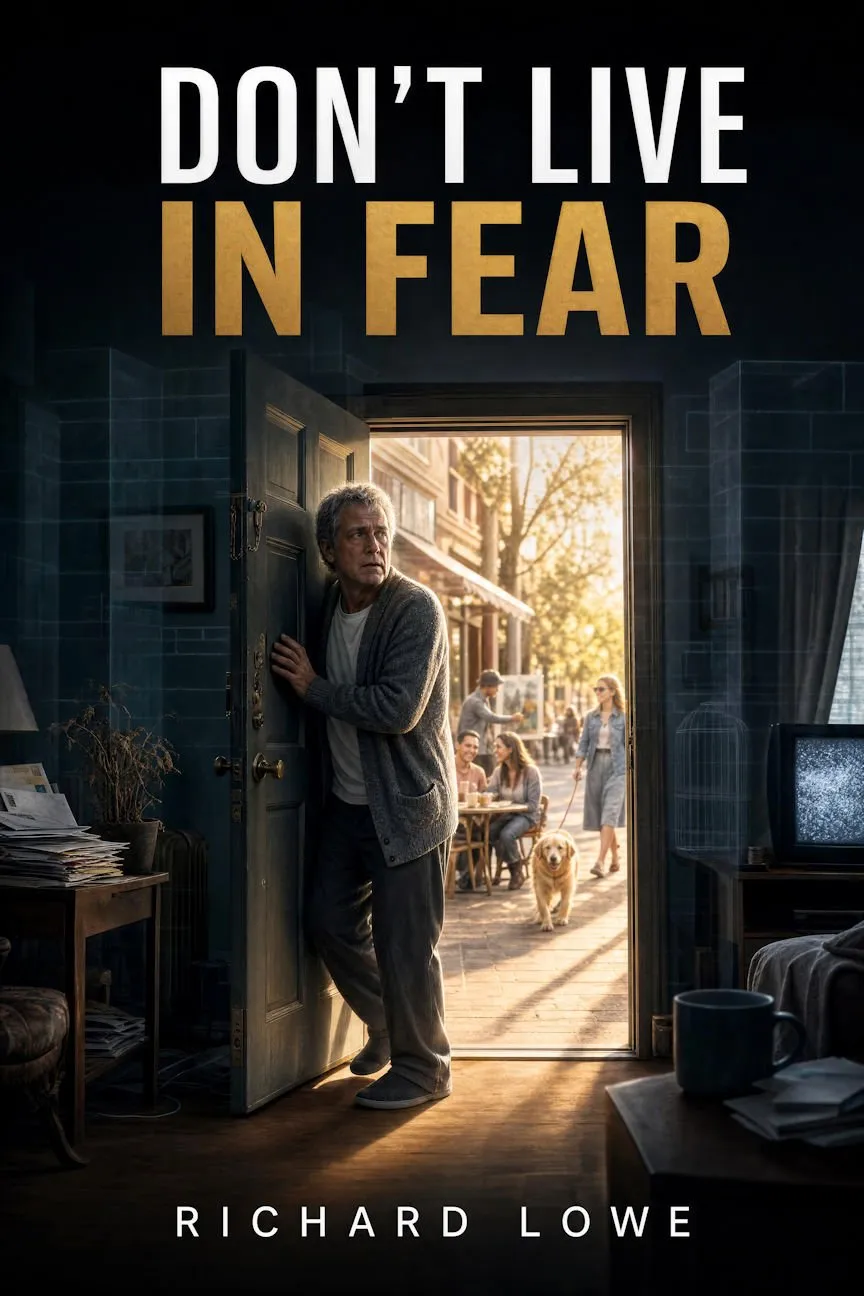
Don’t Live in Fear opens with the CIO job I lost because I was too afraid to talk to people. The book is about the walls we build and how to get past them.




