TL;DR
6/10. An enormously effective, enormously popular thriller and an instructive one, a lesson in commercial pacing and the power of a clever high-concept hook. It rates in the middle on an honest split: superb at propulsion and premise, weak at prose, character, and originality of structure, and controversial for blurring fact and fiction.
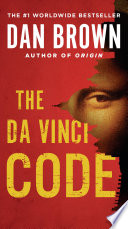
Few novels of this century have been as widely read, or as fiercely argued over, as The Da Vinci Code. Dan Brown’s 2003 thriller, in which Harvard symbologist Robert Langdon races across Europe unraveling a religious conspiracy hidden in art and history, became one of the best-selling novels ever written and a real cultural phenomenon. It’s also among the most polarizing, a book adored by millions of readers as an unputdownable page-turner and savaged by critics for its prose and characterization.
My reaction splits right down the middle: the engine impresses me and the sentences make me wince. As pure propulsive entertainment it’s enormously effective. As writing it’s weak. That combination is why it’s so instructive. This is the rare bestseller worth studying, because its strengths and weaknesses separate so cleanly. A lesson in pacing, wrapped around prose nobody would call good.
A lesson in pacing
Whatever its flaws, the book does one thing superbly: it compels the reader to turn the page. Brown’s structure is a machine engineered for momentum. Very short chapters, each ending on a cliffhanger. A relentless ticking clock. A steady drip of puzzles and revelations. It’s shameless, and damn, it works on millions of readers who can’t put it down.
For a writer that’s a valuable lesson in commercial pacing. Chapter structure, cliffhangers, and an engaging central puzzle create the forward pull that keeps a reader up past midnight. Brown understands propulsion as well as almost any popular novelist, and that craft, however unglamorous, is real and worth learning.
Keep reading
Story structure and pacing that pull the reader forward: Brown’s relentless chapter-and-cliffhanger engine, in the craft of momentum.
Watch: This Story Made a Fortune by Lying About Jesus, 2Loud
The clever hook
The book’s other real strength is its premise and its puzzle. Brown blends art, history, religion, and conspiracy into an intriguing intellectual treasure hunt, and the central hook, the idea of secrets hidden in famous artworks and a suppressed historical truth, is gripping, lending the thriller a veneer of intellectual heft that distinguishes it from a generic chase.
The lesson for a writer is in the power of a high-concept hook that promises the reader something more than action, a mystery that feels significant, and in how cleverly mixing real and invented detail can make a story feel weighty and provocative even when the underlying scholarship is dubious. The premise sells the book as much as the pacing does.
Keep reading
Plot devices and hooks that make a premise irresistible: Brown’s high-concept puzzle, in the craft of the strong hook.
The real weaknesses
The criticism is also fair, and real. Brown’s prose is functional at best and often clunky, with stilted dialogue, clumsy exposition, and little stylistic grace; the characters are thin, serving the plot instead of living as people; and the structure, for all its effectiveness, is formulaic, with the same kinds of twists recurring. The book also generated real controversy for blurring fact and fiction in ways that misled many readers about history, art, and religion.
These are the reasons serious critics dismiss the book. The fact-and-fiction blurring is the worst offense, because it misled readers who couldn’t tell the research from the invention. A writer should learn what makes it work without mistaking it for good writing. It’s effective without being accomplished.
Is The Da Vinci Code worth reading?
It’s an enormously effective, enormously popular thriller and an instructive one, a lesson in commercial pacing and the power of a clever high-concept hook, the craft of keeping a reader compulsively turning pages. It gets a middling rating that reflects the split: superb at propulsion and premise, weak at prose, character, and originality of structure, and controversial for blurring fact and fiction.
A reader wanting a fast, gripping entertainment gets exactly that; for a writer, it’s worth studying as a lesson in pacing and hooks, provided one doesn’t mistake its effectiveness for literary quality. A page-turner of real craft and real limits. Steal Brown’s chapter endings and leave his dialogue where you found it.
Explore the hub
The Entertainment Hub: thrillers, bestsellers, and the books everyone argues about, gathered in one place.
Frequently Asked Questions
Other Books From – Fiction


About the author