
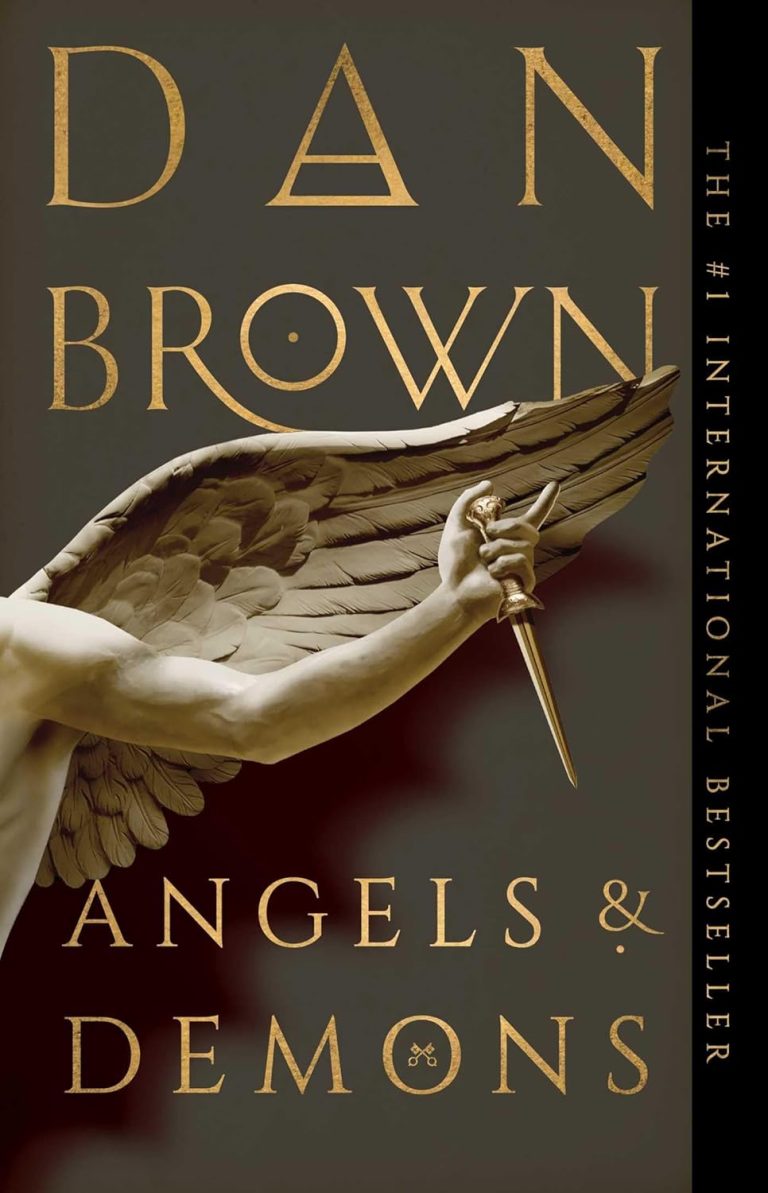
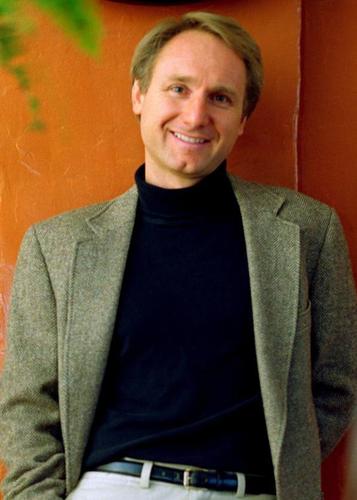
Dan Brown, born in 1964 in Exeter, New Hampshire, is an American author of thriller fiction best known for the 2003 worldwide bestseller The Da Vinci Code. The son of a mathematics teacher and a church musician, he grew up surrounded by the tension between science and religion that would become the central theme of his work.
Before becoming a novelist he pursued a career in music and worked as an English teacher. His early novels, including Digital Fortress and Deception Point, found only modest success, and it was his third book, Angels and Demons, that introduced the Harvard symbologist Robert Langdon who would anchor his most famous work.
The Da Vinci Code became a publishing phenomenon, selling tens of millions of copies and igniting widespread debate for its claims about art, history, and Christianity. Brown's novels are constructed as fast-moving treasure hunts that unfold over a single day and revolve around cryptography, codes, symbols, secret societies, and conspiracy.
The Langdon novels, which also include The Lost Symbol, Inferno, and Origin, weave real institutions, artworks, and historical puzzles into their plots, a technique that has drawn both enormous readership and criticism over questions of accuracy. Several have been adapted into major films starring Tom Hanks.
Brown has said his books are not anti-religious but are meant to spark discussion and reflection, describing himself as on a constant spiritual journey. His novels have been translated into dozens of languages and have made him one of the best-selling authors in the world.
Dan Brown
Dan Brown
Professional ghostwriting for executives, founders, coaches, and authors who want to get the book done right. 113+ books authored. 54+ ghostwritten for clients.
Ready to discuss your book?
BOOK YOUR PRIVATE CONSULTATIONNo pitch. No pressure.
© 2026 Richard Lowe. The Writing King. All rights reserved.