TL;DR
7/10. Diana Gabaldon’s genre-blending blockbuster, a WWII nurse swept back in time to 1743 Scotland, torn between two husbands across two centuries. An immersive, richly researched epic of history, romance, and adventure, and the book that launched a beloved series. Ambitious and absorbing. The frank content and sprawling length won’t suit every reader.
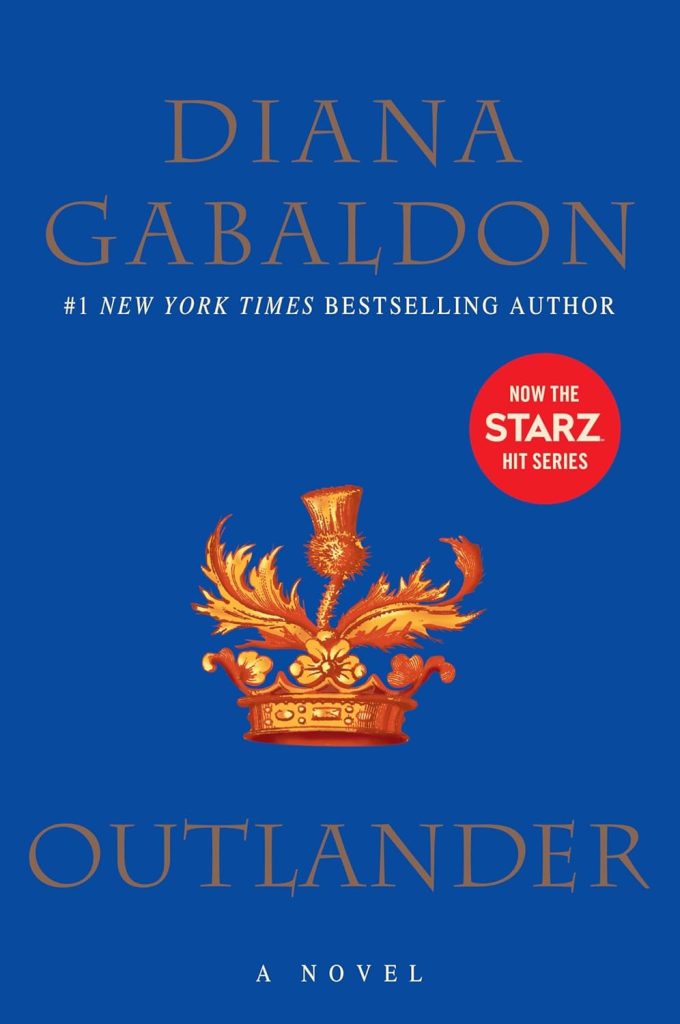
Outlander by Diana Gabaldon is a genre-defying blockbuster that launched a hugely beloved and successful series in modern popular fiction, later a hit television adaptation. It opens in 1945 with Claire Randall, a former WWII combat nurse on a second honeymoon in Scotland. She touches a standing stone and is hurled back to 1743, into a Highlands seething with clan conflict and Jacobite rebellion. There she’s drawn to the dashing young Highlander Jamie Fraser even as she longs to return to her own husband two centuries away.
Blending historical fiction, time-travel fantasy, romance, and adventure into one sprawling epic, it’s immersive and ambitious. As a rich, absorbing genre-blender, it gets a solid rating.
Part of the appeal is its refusal to sit in one genre. Historical fiction, time-travel fantasy, sweeping romance, and adventure, all at once. That’s why it found such a wide and devoted readership.
Immersive history and scope
The book’s great strength is its richly researched, immersive historical world. Gabaldon renders eighteenth-century Scotland, its clan politics, daily life, medicine, dialect, landscape, and the looming Jacobite cause, with impressive depth and detail, and Claire’s modern medical knowledge in a brutal pre-modern world gives the history a gripping friction.
The sense of place and period is vivid and convincing, the product of serious research worn relatively lightly.
The scope helps too. This is a long, event-packed book, and it gives the reader a full, enveloping world to disappear into. For readers who love deep historical immersion combined with narrative sweep, the world-building and atmosphere are impressive.
Keep reading
Immersive historical detail and period accuracy: Gabaldon’s richly researched eighteenth-century Scotland, in the craft of getting history right.
Watch: Outlander author Diana Gabaldon reacts to the show's Iconic Moments, Penguin Books UK
Romance and the genre blend
At its heart, the book is a romance, and the central relationship between Claire and Jamie is its core, an intense, passionate, and developed connection that’s captivated millions of readers and holds the series together. Gabaldon takes the time to build the relationship across the long page count, giving it a depth and believability that lift it above formula, and she surrounds it with adventure, danger, and historical incident so the romance never floats free of plot.
This successful fusion of sweeping romance with serious historical fiction and a time-travel premise is the book’s defining achievement and the source of its broad, devoted appeal across genre boundaries that usually divide readers.
Keep reading
Building a central romance that carries a series: the Claire and Jamie relationship, in the craft of writing romance that readers invest in.
What are the weaknesses of Outlander?
The caveats are real and worth stating. The book is very long and leisurely, and its sprawling, episodic structure tests readers who prefer tight plotting. More significantly, it contains frank and sometimes graphic content, explicit sexuality and, notably, scenes of sexual violence and brutality that some readers find disturbing or object to, including elements of the central relationship that modern readers may view critically. Its blend of genres, a strength for many, frustrates purists of any single one.
And the time-travel premise is a device the book doesn’t examine. These are features to know going in instead of simple flaws, and they shape who the book is and isn’t for.
Is Outlander worth reading?
It’s a rich, immersive, ambitious genre-blender that launched a beloved series, valuable for its researched, vividly rendered eighteenth-century Scotland, its enveloping scope, and above all the intense, well-developed central romance between Claire and Jamie at the heart of the whole saga. It gets a solid rating for successfully fusing historical fiction, time travel, romance, and adventure in a way that won a vast, devoted readership across usual genre lines.
It’s held below the top tier by its sprawling length and leisurely structure, and by frank, sometimes graphic content, including sexual violence, that some readers find disturbing, real features to weigh going in. For readers who want sweeping historical romance to disappear into, it delivers richly. Recommended, with its content noted.
Frequently Asked Questions
Other Books From – Fiction