TL;DR
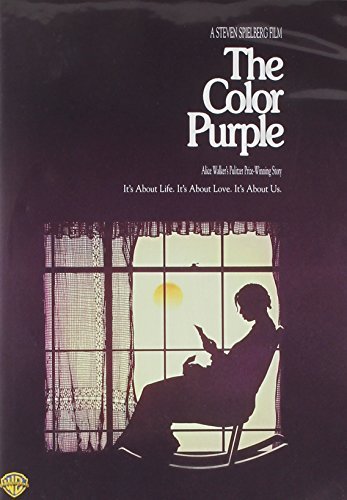
9/10. Alice Walker’s Pulitzer Prize and National Book Award-winning epistolary novel, the story of Celie, a poor Black woman in the early-twentieth-century South, told through her letters as she moves from abuse and silence toward self-possession and love. Searing, tender, and formally bold, it broke the silence around domestic and sexual violence. A landmark of American literature.
The Color Purple by Alice Walker is a landmark of American literature, winner of the 1983 Pulitzer Prize for Fiction and the National Book Award, and among the most powerful and important novels of the twentieth century. It’s told entirely through letters. First Celie’s anguished letters to God, then letters exchanged between Celie and her sister Nettie. They trace the life of a poor, abused Black woman in the early-twentieth-century rural South across decades, as she moves from voicelessness and suffering toward self-knowledge, independence, and love.
The power lies in the voice. Celie’s letters, written in her own unschooled dialect, give the reader unmediated access to a consciousness the world has tried to silence. Watching that voice grow is the heart of the book.
Voice and the epistolary form
The book’s formal brilliance is its use of the epistolary form to render Celie’s inner life directly.
Celie writes in her own voice and dialect, first to God because she’s no one else. She reports unspeakable abuse with a flat, devastating plainness. The gradual transformation of that voice, as she finds anger, then solidarity with other women, then self-worth and joy, is the novel’s central achievement.
By giving us Celie’s words unmediated, Walker makes the reader inhabit a consciousness that society has rendered invisible, and the growth of the voice enacts the growth of the woman. It’s a powerful demonstration of how form and meaning can become inseparable.
Keep reading
Voice and the epistolary form: Walker’s use of letters to render Celie’s inner life, in the craft of different writing styles.
Watch: The Color Purple: Alice Walker on Her Classic Novel, Speilberg's Film, and the Broadway Adaptation, New Jersey Performing Arts Center
Pain, resilience, and love
Beyond its form, the novel is a deep exploration of suffering and survival. It confronts domestic and sexual abuse, racism, and the brutal constriction of Black women’s lives with unflinching honesty, yet it’s finally a book about resilience, sisterhood, and the possibility of redemption and love, especially through the bonds between its women, Celie, Nettie, Shug Avery, Sofia, who sustain one another against everything arrayed against them.
That movement from devastation toward a hard-won, spirit-affirming hope gives the novel its lasting emotional force, and why it’s landed so deeply with generations of readers, especially women and survivors. It refuses to look away from pain, and refuses to end in it.
Explore the hub
The Entertainment Hub: the novels that broke silences and shaped a culture, gathered in one place.
What should you know before reading The Color Purple?
The novel’s unflinching content, graphic depictions of abuse, rape, and violence, makes it a hard read, and it’s been frequently challenged and banned on those grounds, as well as for its frank treatment of sexuality and its critical portrayal of some male characters. These are features a reader should know going in, and the difficulty is intentional: Walker refuses to soften what Celie endures. The portrayal of men has drawn its own debate.
These are matters for a reader to weigh, not flaws; the novel’s power is inseparable from its refusal to flinch.
Is The Color Purple worth reading?
It’s a searing, formally bold, deeply humane masterpiece and a landmark of American literature, valuable for the brilliance of its epistolary form, Celie’s growing voice rendered unmediated in her own dialect, and for its unflinching confrontation with abuse, racism, and the constriction of Black women’s lives, redeemed by resilience, sisterhood, and hard-won love. It gets a high rating for that fusion of formal daring and emotional force, and its Pulitzer and National Book Award are well deserved.
Its graphic content makes it a hard read and a frequent target of challenges, features to know instead of flaws. Powerful, important, and unforgettable, it broke a silence that needed breaking. Highly recommended, with its difficulty noted.
Frequently Asked Questions
Other Books From – Fiction