TL;DR
8/10. An inventive, emotionally ambitious debut, valuable for its original non-linear structure and its use of time travel as a metaphor for absence and longing instead of technical science fiction. It gets a high rating for ambition and feeling. Three things hold it from the top. A melodrama that divides readers. Uneven pacing. And a central premise, the adult Henry’s relationship with Clare as a child, that many find uncomfortable.
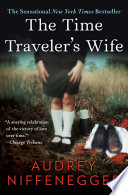
The Time Traveler’s Wife by Audrey Niffenegger is an inventive, emotionally ambitious debut that became a publishing phenomenon, selling over a million copies and winning a British Book Award. It tells the love story of Henry, a man with a rare genetic condition that yanks him involuntarily through time, and Clare, the woman who loves him across the scrambled chronology of both their lives, meeting him at wildly different ages as his condition pulls him into her past and future.
Praised for its originality and emotional depth and criticized for melodrama and an uncomfortable central premise, it’s a divisive but accomplished novel. It gets a high rating for its inventiveness and feeling, with real and widely shared reservations.
The central smart move is that the time travel isn’t science fiction in the technical sense. Niffenegger uses it as a metaphor for absence, longing, and the way love endures across separation. That gives the book its emotional power.
An inventive structure
The book’s most celebrated strength is its non-linear structure and the original way it handles time travel. Henry’s involuntary jumps through time scramble the chronology of the love story, so the reader encounters Henry and Clare at many ages and stages out of order, and Niffenegger handles the resulting complexity with real control, treating the rules of Henry’s condition with a science-fiction writer’s logical consistency even as she uses it for emotional instead of technical ends.
For a writer it’s an instructive example of ambitious structure. A non-linear timeline, handled carefully, deepens a story and becomes a theme in itself. Here it’s a meditation on presence, absence, and the unpredictability of a life and a love.
Keep reading
Non-linear structure and the timeline as theme: Niffenegger’s scrambled chronology, in the craft of ambitious story structure.
Watch: The Time Traveler's Wife by Audrey Niffenegger | Animated Summary, Bookimo
Emotional depth and divided opinion
The book’s other strength, and the source of its fierce divisions, is its emotional intensity. Admirers find Henry and Clare realized and the love story moving, with an ending that reduces many readers to tears, and they praise Niffenegger’s elegant, accessible prose and her use of time travel as a metaphor for trauma and the fracturing of the self. Detractors find the same book melodramatic and sentimental, the prose given to cliche, the pacing uneven, and the emotional beats overworked.
Both reactions are fair and reflect a real quality of the book: it wears its heart very openly. That moves some readers and strikes others as manipulative. Where a reader lands depends largely on their tolerance for unabashed sentiment.
Keep reading
Emotional writing: moving readers without tipping into melodrama: the openhearted intensity that divides readers here, in the craft of feeling on the page.
What are the weaknesses of The Time Traveler’s Wife?
Beyond the melodrama question, there’s a more serious and now widely discussed concern: the relationship’s premise involves the adult Henry meeting Clare when she’s a child, and time-traveling to her throughout her childhood, which a significant number of readers find uncomfortable or worse, raising real questions about the age gap and power dynamics at the story’s heart. The book treats it as destined romance, but a reader should know going in that this element troubles many and is a legitimate objection instead of mere squeamishness.
Add the uneven pacing some find in the more introspective sections, and the result is a novel of real ambition and feeling that nonetheless asks the reader to accept things not everyone can.
Is The Time Traveler’s Wife worth reading?
It’s an inventive, emotionally ambitious, and accomplished novel, valuable for its original non-linear structure, its intelligent use of time travel as a metaphor for absence and longing instead of technical science fiction, and an emotional power that moves many readers deeply. It gets a high rating for that ambition and feeling.
It’s held from the top by real and widely shared reservations: a sentimentality and tendency to melodrama that divides readers sharply, uneven pacing, and a central premise, the adult Henry’s relationship with Clare as a child, that a significant number find uncomfortable and worth knowing about in advance. For a reader drawn to ambitious, openhearted literary romance and untroubled by that premise, it’s moving and memorable; others will find real barriers. A bold, divisive book, fairly weighed.
Explore the hub
The Entertainment Hub: ambitious novels and the books readers argue about, gathered in one place.
Frequently Asked Questions
Other Books From – Fiction
About the author