

Jordan Rosenfeld is an American novelist, writing coach, freelance manuscript editor, and the author of seven craft books that together make up one of the most-cited working novelist's libraries in print. She holds an MFA in Fiction and Literature from the Bennington Writing Seminars and a B.A. from the Hutchins School at Sonoma State University.
Her bestselling Make a Scene: Crafting a Powerful Story One Scene at a Time (Writer's Digest Books, 2008; revised and expanded edition 2020) treats the scene as the basic unit of fiction and walks novelists through scene types, openings and closings, advancing plot through scene, and managing dramatic tension at the scene level. Writing Deep Scenes: Plotting Your Story Through Action, Emotion, and Theme, co-written with Martha Alderson, drills deeper into scene-level plotting. A Writer's Guide to Persistence is a craft and psychological handbook for keeping a writing practice alive through rejection, doubt, and burnout. Other titles include Writing the Intimate Character, How to Write a Page-Turner, Sound of Story: Developing Voice and Tone in Writing, and Write Free: Attracting the Creative Life, co-written with Rebecca Lawton.
Her novels include the suspense novels Forged in Grace, Women in Red, Night Oracle, and Fallout. Her freelance writing has appeared in hundreds of publications including The Atlantic, The New York Times, The Washington Post, Publishers Weekly, Scientific American, The Rumpus, Quartz, Salon, AlterNet, and Writer's Digest magazine, where she was a contributing editor.
She teaches online classes, coaches working writers through long-form fiction and nonfiction projects, and publishes the popular Substack newsletter Writing in the Pause, where she writes about midlife, creativity, and the writing life.
Bonnie Neubauer
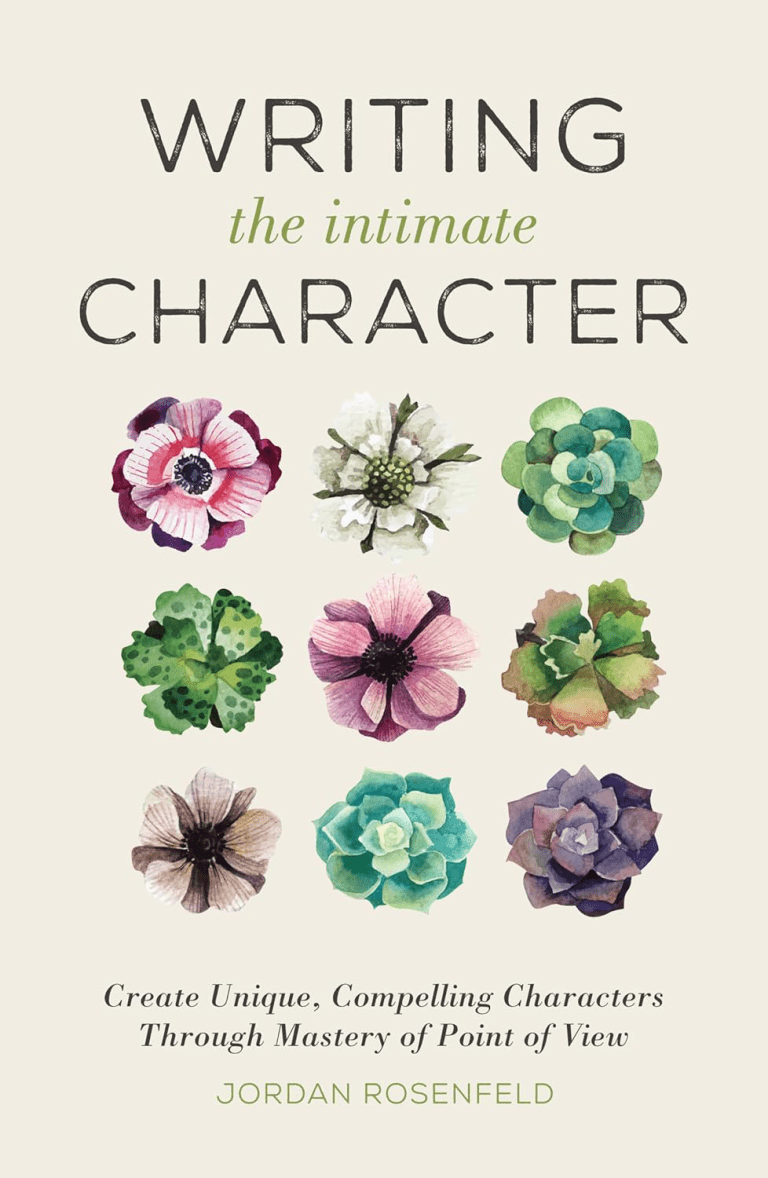
Jordan Rosenfeld
Professional ghostwriting for executives, founders, coaches, and authors who want to get the book done right. 113+ books authored. 54+ ghostwritten for clients.
Ready to discuss your book?
BOOK YOUR PRIVATE CONSULTATIONNo pitch. No pressure.
© 2026 Richard Lowe. The Writing King. All rights reserved.