TL;DR
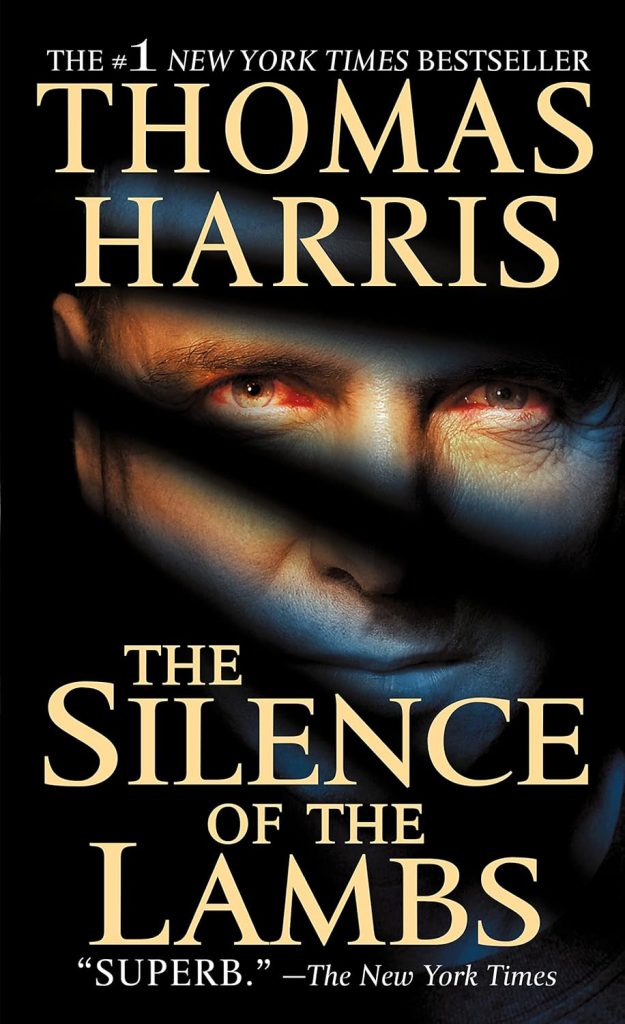
9/10. Harris’s landmark thriller pairing FBI trainee Clarice Starling with the imprisoned cannibal Hannibal Lecter in a duel of intellect and exposure. Tense, intelligent, frightening, with one of fiction’s most magnetic monsters.
The Silence of the Lambs by Thomas Harris is the thriller that became cultural mythology, a colder and more psychologically granular book than even its Oscar-sweeping film. Published in 1988, it follows FBI trainee Clarice Starling, sent to interview the imprisoned cannibal psychiatrist Hannibal Lecter for insight into an active serial killer called Buffalo Bill. Tense, intelligent, and frightening, it set the template for the modern psychological thriller. It deserves a high rating.
Most thrillers are padded to hell, and this one is built like a watch. What separates it from the pack is the precision of its construction. Every interview between Starling and Lecter advances the plot while deepening both characters, every detail of the Buffalo Bill investigation pays off, and Harris never wastes a scene. The result is a book that reads at the pace of pure entertainment yet rewards re-reading like literature, its structure as tight and deliberate as anything in the genre, its psychology as serious as its scares are effective.
What makes The Silence of the Lambs work?
The book’s core is the relationship between Starling and Lecter, among the most electric pairings in modern fiction. Their interviews are duels of intellect and exposure, with Lecter trading clues for pieces of Starling’s psyche, and Harris makes the dance between hunter and monster as gripping as the manhunt itself. Those interview scenes are the best thing in the book, and I’d put them up against any dialogue in the genre. Lecter is the rare villain who’s both terrifying and magnetic, and Starling, ambitious, vulnerable, underestimated, is a fully realized heroine whose interior life powers the book.
Explore the hub
The Entertainment Hub: the books that shaped how we read, gathered in one place.
Watch: THE SILENCE OF THE LAMBS Audiobook | Psychological Thriller | Thomas Harris, YesterHear
What does The Silence of the Lambs teach about craft and character?
What lifts the novel above genre is its procedural accuracy and psychological depth. Harris renders the FBI’s behavioral science work with convincing detail, and beneath the manhunt runs a serious story about ambition, power, vulnerability, and the cost of being underestimated as a woman in a male institution. Lecter is the iconic anti-hero-adjacent figure, a monster who draws the reader in against their better judgment, and the title’s meaning, rooted in Starling’s childhood trauma, gives the horror real emotional weight.
Why does The Silence of the Lambs still hold up?
The novel endures because it works on two levels that rarely coexist. On the surface it’s a flawless thriller, tense, procedural, and frightening, but underneath it’s a serious study of a young woman clawing for respect in an institution built to underestimate her, drawing strength from the very monster who threatens her. Harris also understood something most thriller writers miss: that the most disturbing evil is the kind wrapped in intelligence and courtesy.
Lecter’s refinement makes him unforgettable, and the template Harris built here, the brilliant captive monster as reluctant guide, has been imitated endlessly and equaled rarely.
What are the weaknesses of The Silence of the Lambs?
The caveats are matters of content and genre. The novel is graphically violent and deals with disturbing subject matter, skinning, captivity, serial murder, that some readers will find upsetting. It’s a thriller built for momentum, so readers seeking literary density may find it lean, and its 1980s forensic procedure now reads slightly dated. The dated forensics don’t bother me much. Harris set out to write a thriller, and he built a damn good one.
Is The Silence of the Lambs worth reading?
The Silence of the Lambs by Thomas Harris is a landmark psychological thriller, valuable for the electric Starling-Lecter relationship, the iconic and magnetic monster Hannibal Lecter, and a serious undercurrent about ambition and being underestimated. Held from the top by graphic content and genre leanness. Expertly made and frightening.