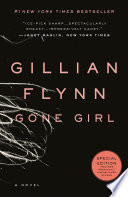
TL;DR
9/10. A brilliantly constructed 2012 thriller that reshaped domestic suspense. Dual unreliable narrators. A mid-book reversal both shocking and scrupulously fair. And a savage examination of marriage and performance beneath the plot. A model of structure and misdirection. Deliberately cold with a divisive ending, and close to essential craft study.
On the morning of his fifth wedding anniversary, Nick Dunne’s wife Amy vanishes, and the evidence starts pointing at him. From that hook Gillian Flynn built Gone Girl, the 2012 thriller that became a cultural phenomenon, redefined the domestic suspense genre, and taught a generation of writers what a mid-book twist can do. It’s a lesson in unreliable narration, structural manipulation, and the weaponizing of reader assumptions, and it deserves its enormous reputation.
The premise looks like a standard missing-wife thriller, and Flynn uses that familiarity as a trap. What the book is, is something far stranger and sharper, a dissection of marriage, performance, and the stories we tell about ourselves.
Most twist thrillers annoy me, because the twist is usually a cheat the author hid behind a locked door. Flynn plays fair and still pulls the floor out, and that’s why I rank this book so high. I came away admiring her nerve as much as her plotting.
The structure as a weapon
The book’s signal achievement is structural. It alternates between Nick’s present-day account of the investigation and Amy’s diary entries from the years before. The gap between the two narrators, what each tells, withholds, and distorts, is what drives the book. Flynn makes dual unreliable narration the substance of the story, so that she builds the reader’s understanding deliberately in order to demolish it.
Without spoiling it, the book contains a reversal that’s among the most discussed in modern popular fiction. A mid-novel turn that retroactively rewrites everything before it. The craft lesson is how completely Flynn earns it, planting every necessary clue while steering the reader’s assumptions exactly where she wants them.
I’m impressed by how cleanly she earns it. You can go back and find every clue sitting right where she left it, and the only person you can blame is yourself. That’s craft most suspense writers never reach, and it makes the cheap twists in lesser books look even cheaper.
Keep reading
Unreliable narrators: how to make readers doubt the story: Flynn’s dual unreliable narration, in the craft of controlling what a reader believes.
Watch: Gillian Flynn Interview 2014: 'Gone Girl' Author Reveals Secrets Behind Her Hit Thriller, ABC News
The twist done right
For a writer, the central study here is how to execute a major twist that shocks without cheating. The reversal in Gone Girl works because it’s completely surprising and, on reflection, completely fair. Every clue was present. Every behavior consistent. The reader simply interpreted it the way Flynn intended. That’s the hardest thing in suspense writing: misdirecting a reader so thoroughly that the truth astonishes them, while leaving them unable to claim they were tricked unfairly.
Studying how Flynn sets up, conceals, and detonates her turn is a practical education in plot construction and the management of reader expectation.
Twists that depend on an author hiding what the narrator plainly knows make me feel robbed. Flynn shows how to misdirect without lying outright, and if you write suspense, studying her method is the best hour you’ll spend all year.
Keep reading
Plot twists that shock without cheating the reader: Flynn’s mid-book reversal as the model for a fair, earned, devastating twist.
More than a thriller
What lifts the book above clever mechanics is its real subject. Beneath the suspense, Gone Girl is a savage examination of marriage, of the performances couples stage for each other and the world, of media narrative and the roles people are forced or choose to play, and of identity as something constructed and weaponized. Flynn’s voice is acidic, intelligent, and mercilessly observant, and both narrators are studies in how people curate the self they present.
The famous voice-driven passage on the performed woman is the book’s thematic core, and it gives the thriller a substance and a bite that pure plot mechanics never could.
This part turned it from a clever puzzle into something I kept thinking about. Flynn’s anger about performance and the roles people get shoved into has real teeth, and I admire a thriller writer willing to let her book bite.
What are the weaknesses of Gone Girl?
The book is, by design, cynical, its characters are largely unlikable, its view of people and marriage is bleak, and a reader who needs someone to root for or a measure of warmth will find it cold and even unpleasant. The ending divides readers sharply, some find it the perfect, chilling logical conclusion, others find it unsatisfying or willfully bleak. And the very darkness that gives it bite makes it a draining read.
These aren’t flaws so much as the cost of what the book is doing; Flynn chose acid over warmth deliberately, and it won’t be to every reader’s taste.
The coldness is my only real reservation. After that many pages with people this poisonous I wanted to open a window, and I can see why some readers bail. I’d still take a novelist who commits to acid over one who waters it down so everyone stays comfortable.
Is Gone Girl worth reading?
It’s an important and brilliantly constructed thriller, a model of unreliable narration and the fair-but-shocking twist that reshaped its entire genre and remains the reference point for domestic suspense. For a writer studying structure, misdirection, and voice, it’s close to essential. It loses a little only for the deliberate coldness that makes it a divisive and draining experience and for an ending readers split on, but those are features of its ambition.
It’s a dark, sharp, expertly built book that deserves every bit of its phenomenon status, and any suspense writer who hasn’t taken it apart to see how it works is skipping the most useful homework in the genre. Read it for the craft if not for comfort.
Explore the hub
The Entertainment Hub: thrillers and the books that reshaped their genres, gathered in one place.
Frequently Asked Questions
Other Books From – Fiction


About the author