
TL;DR: Every book I work on with AI runs on one rule: AI never writes in your voice. The machine handles almost everything else, and it does most of it well, but a human writes the voice every time. The technology didn’t force that rule on me as a compromise.
That rule is the only arrangement I trust to produce a book a reader will finish. I feel strongly about it because plenty of people selling AI writing blur that line for profit, and the author who trusted them ends up with a book that sounds like nobody.
What is the rule for using AI without losing your voice?
AI never writes the parts of your book that a reader will attribute to you.
The narrative, the stories, the arguments and the sentences that carry your perspective are written and hand-edited by a human. AI handles the rest: the research, the transcripts, the structural drafting, the connective sections that don’t carry a voice. I hold that line on every project, and I think most writing services treat it far more loosely than any author should accept.
AI never writes the parts of your book that a reader will attribute to you.Share on X
I’ve spent the last few years watching what happens when authors cross the line in either direction, by hand or by tool. Cross it one way and the book reads dead and gets ignored.
Cross it the other way and you waste money paying a human for work a machine does well. The line is where the value is, and once you see why it sits exactly where it does, the rest of the AI-on-a-book question stops being mysterious.
Why is voice the line AI never crosses?
A book that a reader stays with holds one person inside it.
The reader doesn’t stay because the prose is clean. They stay because they can feel someone there, a particular human with particular opinions, scars, and ways of seeing the subject. That presence is the voice. The voice is the part of writing AI can’t produce. AI is trained on the average, and the voice is the place where you don’t sound like the average. Prompt engineering matters less and less. The new skill is engineering your voice.
I’ve written at length about why AI prose is structurally shallow and about why books written by AI sound the way they do.
The machine has access to enormous amounts of text but no access to the particular human who’s supposed to be writing your book. It can imitate generic voices well. It can’t produce yours, because yours was never in the training data.
Only you have it. The moment you let the machine fake it for you, the book stops being yours and turns into the average, and I think that’s the worst trade an author can make, because the voice is the one part of the book nobody else could ever have supplied.
What does AI handle well on a book project?
The other side of the line covers more ground than skeptics admit, and ignoring it’s the mistake that makes AI-assisted projects unnecessarily expensive.
The machine takes an hour of rambling interview transcript and turns it into clean organized notes. It summarizes a stack of research the author would never have time to read. Outlines come out serviceable based on the material you’ve given it. First-pass connective sections that introduce a chapter, transition between scenes, or set up the next argument come out passable.
Citation formatting, terminology consistency, and the dozens of small mechanical jobs that eat hours of human time and produce no creative value all run through the machine well.
All of that work is real, and all of it costs money when done by hand. A longer piece on what AI is useful for covers the full list. The point for an author is that paying a human to do this work, when a machine handles it well under supervision, is paying for the typing instead of the judgment. The savings on an AI-assisted book come from this side of the line, and they’re real because the work being automated is real.
Why crossing the line in either direction fails
Authors who let AI cross into the voice produce books that read flat. The chapters are competent and forgettable. The reader senses the absence of a person and drifts away by chapter three. Reviews are polite and tepid. The book doesn’t open the doors a real book would have opened. Those doors were always opened by the human voice, and the machine took it out without anyone noticing until publication.
Authors who refuse to let AI handle any part of the work produce books at full ghostwriting cost, when half the project didn’t require a human at the keyboard. The work gets done, the book is good, but the price tag is higher than it needed to be. That’s fine if the budget is comfortable. It’s wasteful if it’s not, and the waste is on the half of the work that AI handles well.
I’d push back on both of those authors. Crossing the line toward the machine costs you the book, and crossing it toward the human costs you money you never needed to spend.
The half-cost economics this enables
The book doesn’t open the doors a real book would have opened.
An AI-assisted book at my practice runs at roughly half the per-word cost of full ghostwriting, and the reason is the rule above. Under careful human supervision, the machine handles the work that doesn’t carry voice, and the human spends their hours on the voice itself, the parts of the book where they’re the only person who can do the job. The quality a reader feels stays exactly where it was.
It’s cheaper because the labor that was automated was real labor with real cost, and removing it from the human’s hours drops the price proportionally.
Authors looking for the numbers should see the AI-assisted book page for what the service includes and how the project runs. The voice work, the work readers feel, stays human at full quality. Non-voice work, which readers don’t feel one way or the other, runs through the machine under supervision. The split delivers the same finished book at meaningfully lower cost, and it’s the only honest way to use AI on a book without producing the flat result readers ignore.
What does a serious AI writing process look like?
The rule is simple. The practice is harder, because the line moves in real time as the project unfolds and only a careful writer keeps it where it should be.
Recorded interviews stay on the human side. Transcription cleanup runs on the machine. Voice analysis from the transcripts stays on the human side. Research summaries run on the machine. For more on authentic voice over reinvention, see this profile of Kurt Russell. Argument structure stays on the human side. Citation formatting runs on the machine.
First drafts of voice-bearing sections stay on the human side, every time, with no exceptions. First drafts of connective sections can run on the machine and get heavily edited by a human afterward.
That granularity separates a serious AI process from the casual one most authors imagine when they hear “AI-assisted.” The casual version is “have the machine write a chapter and I’ll edit it,” which crosses the line and produces the flat result. The serious version is the labor split above, run with discipline on every section. The discipline makes the model work, and it’s the same discipline that produces a real book under any process, with or without machines.
My take
Hold one line on any book that uses AI. The machine never writes the voice. Let it clean transcripts, summarize research and format citations, with a human checking. Keep a person on the interviews, the argument and every section a reader will hear as you. The casual version, where the machine drafts a chapter and you edit it, crosses that line. Run the split section by section, every time.
What this means for your project
If you’re choosing how to approach your book and AI is part of the conversation, settle the voice question first. If the voice stays human and the machine stays on the non-voice work, you’ve got an AI-assisted project that saves real money without costing you anything a reader will feel. If anyone offers you a cheaper deal where the machine writes your chapters and a human tidies them up, walk away, because they’re selling you a flat book with your name on the cover.
The cornerstone piece on whether AI can write your book covers the broader version of this question and lands on the same answer: the voice is yours, and the value of the book sits in it.
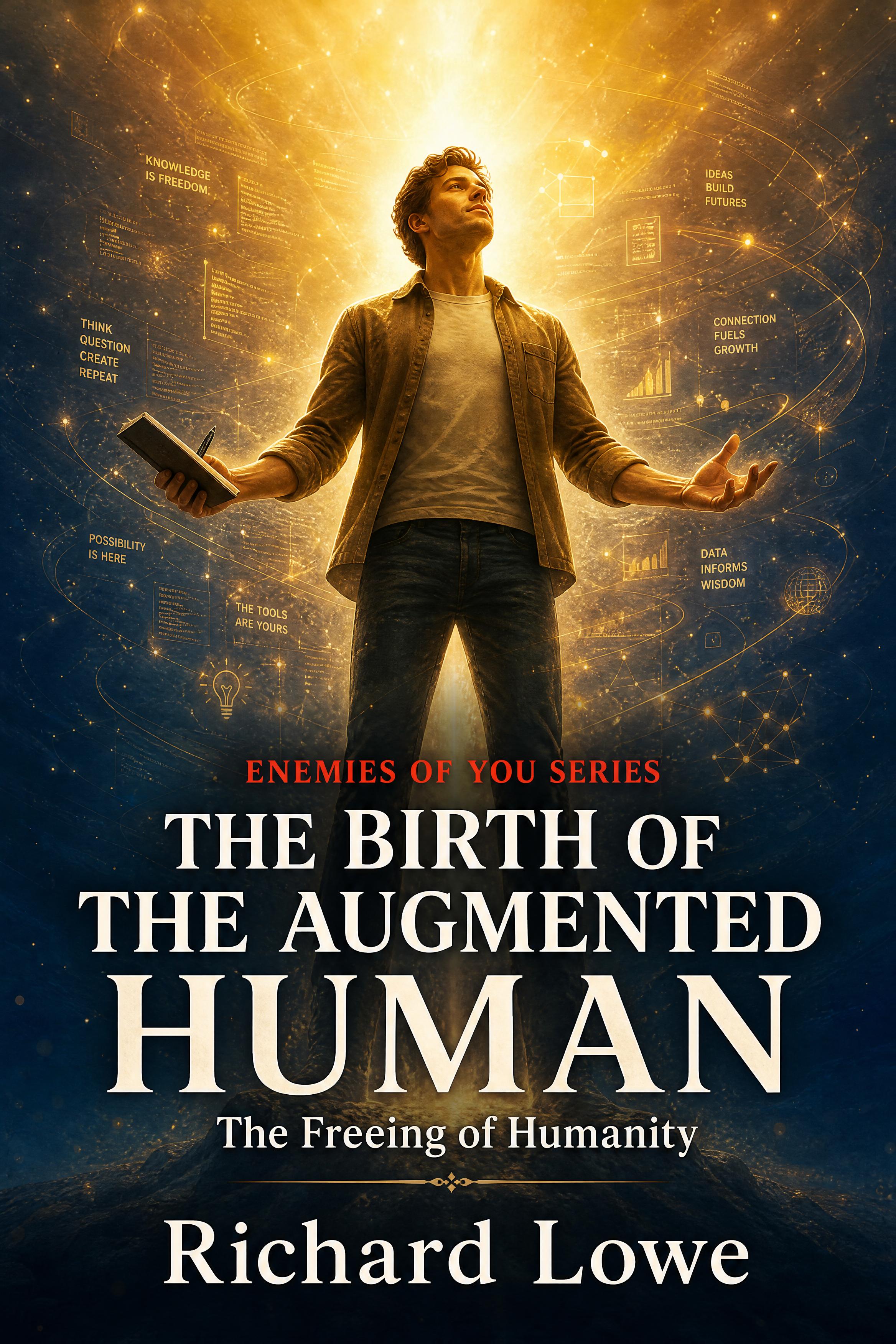
A human voice is how AI stays a tool. The Birth of the Augmented Human is my book on using AI to amplify thinking instead of replacing it.
Frequently Asked Questions
The book on this: The Ghostwriting Advantage is 254 pages on what a ghostwriter is for, and voice is the answer that survives every version of the question.
