
The faster, lower-cost path to a book
For authors who want a solid, credible book without the full cost or timeline of all-human ghostwriting. AI drafts it from prompts I build out of your interviews, and I edit every page.
Built by someone who runs these tools at scale: 113+ books authored, 54+ ghostwritten, and a 40+ volume AI-Enhanced Writing Series.
AI-assisted book pricing
A focused authority book at about half the per-word rate of full ghostwriting, because AI carries the work that isn’t your voice. The voice itself is human, always.
You own the manuscript and it publishes under your name. One caveat. Because AI drafts the narrative, copyright protects only the human-authored parts. AI use has to be disclosed on any registration. And some traditional publishers restrict AI-assisted work. If a full copyright or a traditional publishing deal is the goal, full ghostwriting is the cleaner path. I scope business content systems per project.
The craft is in the prompting
Most of the worry about AI and writing comes down to one fear. That the words with your name on them were never really yours. That fear is correct when a mill dumps raw model output on the page. So here is the rule the whole service runs on.
The craft is in the prompting. I use your interviews to build the prompts that make the AI produce good narration, and dialogue where the book calls for it, in the shape the story needs. Then I review and edit the whole draft to add the humanity a model doesn’t supply on its own. AI does the drafting, fast and cheap; the prompts and the editing are where I make it sound like a book and not like a machine. That’s the whole service.
Which path is right for you? If you want the strongest possible book, full copyright, and a clean shot at traditional publishing, choose full ghostwriting. The AI-assisted path on this page is for an author who wants a credible book faster and cheaper, is self-publishing, and is comfortable with the copyright and publishing tradeoffs spelled out on this page.
What are the two ways to work with Richard Lowe on AI?
One for authors, one for businesses. Same rule underneath both.
AI-Assisted Books
For authors who want a credible, focused authority book without the full cost and timeline of all-human ghostwriting. I run the interviews and build the outline, then use your interviews to craft the prompts that make the AI draft strong narration and dialogue. I review and edit the whole draft to add humanity. The drafting is where the speed and the savings come from. The prompting and the editing are where I take over.
AI Content Systems for Business
For companies producing content at volume that want AI speed without AI slop. I assess what you produce and find the parts that benefit from acceleration. Then I build systems around AI’s limitations instead of pretending they don’t exist. Content strategy. Custom prompt libraries tuned to your brand voice, high-volume production with human editing on every piece, workflow automation, and team training so your people are self-sufficient.
How is an AI-assisted book made?
Here’s exactly who does what. I run the interviews, build the outline, and craft the prompts from your interviews that make the AI draft well. AI drafts, and then I review and edit every page for humanity.
Human
Interviews
I sit down with you and pull out the material and the voice. This is where the book becomes yours, and no tool does it for me.
Human
Outline and structure
I build the spine: what each chapter does, in what order, toward what point. The structure of an authority book is judgment, not generation.
Craft + AI
Prompt and draft
I use your interviews to build the prompts that make the AI draft strong narration, and dialogue where the book needs it. The AI drafts from those prompts. This is where the cost and timeline come down.
Human
Review and edit
I review and edit the whole draft, adding the humanity a model doesn’t supply on its own. The finished book sounds like you instead of like a machine. This is the step that survives the question, did you really write this.
What does AI do well in writing, and where does it fail?
AI content services that promise magic without naming the limits are selling something that doesn’t exist. Here is the map.
AI does well
First drafts of structured, low-voice material. Research summaries and data synthesis. Repurposing finished content into new formats. High-volume production of utility content. Brainstorming and ideation. SEO-informed outlines.
AI fails at
Original thought and real expertise. Holding a consistent human voice across a book. Fact-checking its own output. Knowing your audience. Deciding what is worth saying. Anything that needs real-world experience or judgment.
Every system I build accounts for the right column. Human oversight comes standard, because it’s the difference between content that builds your reputation and content that slowly erodes it.
My background with AI
I built a 40+ volume AI-Enhanced Writing Series on writing craft using the AI-assisted workflows this service is built on, refined across hundreds of thousands of words. That’s where I learned these tools at scale, and where I worked out exactly when AI helps and when it gets in the way. I also wrote The Day Your Website Died: Optimizing for AI Search, on how AI is reshaping the way work gets found.
I also spent 20 years as Director of Computer Operations and Technical Services at Trader Joe’s, running technology systems for one of the largest privately held national grocery chains. The combination is the point: I approach AI as a writer who understands quality and a technologist who understands systems, so I can tell you when AI is the wrong answer.
More: Full Professional Background · Testimonials · Code of Ethics
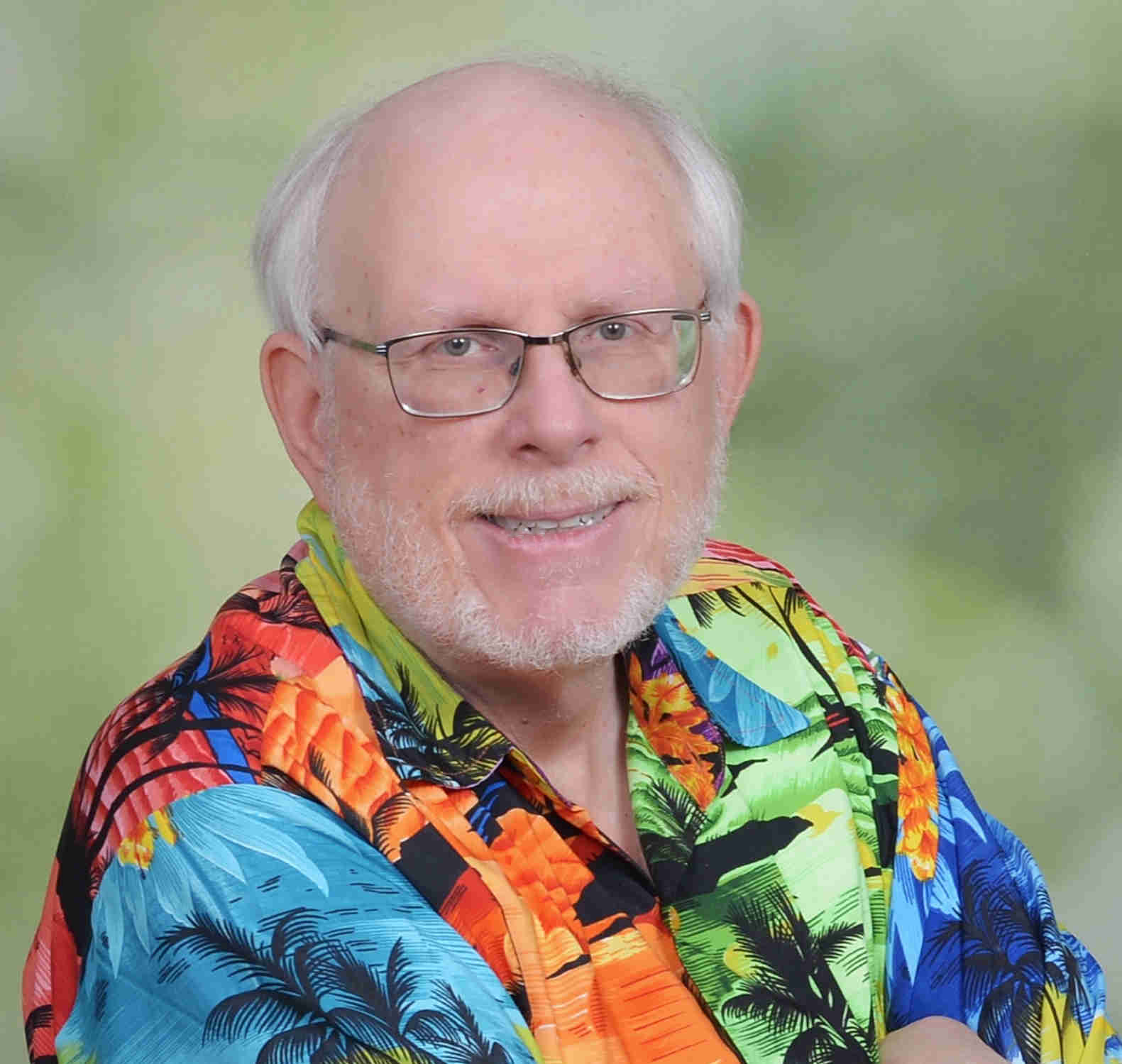
About Richard Lowe
Richard Lowe is a professional ghostwriter and bestselling author. He has authored 113+ books and ghostwritten 54+ more for executives, founders, coaches, and public figures. His clients have used their books to raise over $30 million in venture capital, land a TEDx invitation, and secure deals with traditional publishers. His own book How to Manage a Consulting Project was used as required reading in a course at Purdue University's Krannert School of Management.
His current lead book, The Ghostwriting Advantage, is the comprehensive guide to hiring a ghostwriter. He also authored the bestselling Focus on LinkedIn and the publishing-journey trilogy: Make a Living as a Self-Published Author, Publish Your Book, and Sell Your Books. He served as Technical Editor and Contributing Author on Cyberheist, the cybersecurity book by KnowBe4 founder Stu Sjouwerman. His ongoing series include Enemies of You (nonfiction cultural commentary) and the Victorian fiction series, contemporary reimaginings of classic Victorian science fiction by Jules Verne and H.G. Wells.
Before becoming a full-time ghostwriter, Richard spent 33 years in enterprise technology, including 20 years as Director of Computer Operations at Trader Joe's, where he managed infrastructure across 400+ stores. He hosts three interview podcasts: Leaders and Their Stories, Author Talks, and Conversations With Influencers, and has appeared as a guest on 100+ podcasts including The Chris Voss Show.
Want to explore all my ghostwriting insights? Visit the Ultimate Ghostwriting hub.
Based in Clearwater, Florida, serving Tampa, St. Petersburg, Palm Harbor, Largo, Safety Harbor, Pinellas and Polk counties, all of Florida, and authors everywhere remotely.
What worries people about AI-assisted books?
AI and books raise sharper questions than most services.
The practical questions
Cost, ownership, and how the AI gets used.
Go deeper
Start with a conversation
Tell me about your book or your content operation. I’ll tell you where AI helps, where it hurts, and what the engagement looks like. If AI is the wrong answer for your project, I’ll say so.
Booking requires JavaScript. Please use the contact form instead.