TL;DR
8/10. A singular, delightful gazetteer of over a thousand fictional lands, describing Middle-earth, Oz, Atlantis and more as real geography, with wit and scholarship. Both a pure pleasure for literature lovers and a real world-building study for writers, it gets a high rating for doing something unusual exceptionally well.
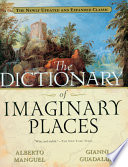
The Dictionary of Imaginary Places by Alberto Manguel and Gianni Guadalupi is among the most delightful reference books ever conceived: a complete gazetteer of fictional lands, describing and mapping over a thousand imaginary places from literature, treating Atlantis, Middle-earth, Oz, Lilliput, and hundreds more as if they were real geography to be cataloged. Written with wit, scholarship, and evident love, it’s both a charming browse for any lover of literature and a useful resource for writers studying world-building.
The conceit is the genius of it. The authors describe each invented place straight-faced, in the tone of a serious travel guide. That makes the fictional worlds feel solid and real.
A gazetteer of the imagination
The book’s value and charm come from its scope and its execution. Manguel and Guadalupi gather an enormous range of invented places from across literary history. Each gets care, detail, and a deadpan scholarly tone, complete with maps and illustrations, as though compiling a reference to real lands. The result is a treasury that a reader can wander through endlessly, encountering familiar worlds and discovering forgotten ones, all rendered with affection and erudition.
For anyone who loves literature and the worlds it builds, it’s a pure pleasure, a celebration of human imagination organized with the rigor and wit of real scholarship. Few reference books are this enjoyable to simply read.
Keep reading
World-building: studying the great invented places: the imaginary geographies this catalogs, in the craft of building worlds.
A world-building study
Beyond its pleasures, the book is a real resource for writers. Surveying how authors conceived the great fictional worlds is an education in world-building. What makes Middle-earth, Oz, or Narnia feel real and distinct. Seeing so many invented places described side by side reveals the techniques, the geographic, cultural, and historical detail, that give a fictional world solidity and life. The deadpan, treat-it-as-real approach is itself instructive, showing that a world feels convincing exactly when its author renders its details with the concrete specificity of real geography.
For a writer building their own world, it’s both inspiration and a working study of how the masters did it.
Keep reading
Fantasy world-building: making invented places feel real: the convincing-detail technique this book reveals, in the craft of the believable world.
What are the weaknesses of The Dictionary of Imaginary Places?
The caveats are minor and inherent to its nature. By design it focuses on places drawn from established literature up to its compilation, so it’s a record of the imaginary geography of the literary past instead of a current or exhaustive catalog, and newer fictional worlds postdate it.
It’s also, for all its charm, a specialized pleasure, a reference and a browse instead of a how-to or a narrative, so a reader wanting direct world-building instruction will find inspiration and example here instead of step-by-step guidance. These are small notes against a singular, beautifully realized book.
Is The Dictionary of Imaginary Places worth reading?
It’s a singular, delightful, and valuable book, a witty, scholarly gazetteer of over a thousand imaginary places that’s both a pure pleasure for any lover of literature and a real study in world-building for writers. It gets a high rating for executing an unusual idea exceptionally well, rendering fictional worlds with the affection and rigor they deserve and revealing, by example, what makes an invented place feel real.
It loses only a little for being inherently a record of the literary past instead of a current catalog, and a browse instead of a how-to, the nature of the project. For any writer or reader who loves imagined worlds, it’s a treasure and a quiet education. Highly recommended.
Explore the hub
The Entertainment Hub: imaginary worlds and the literature that built them, gathered in one place.
Frequently Asked Questions
Other Books From – Literary Criticism
About the author