
The Project I Said Yes To
I turn down more projects than I take, because after fourteen years I have learned the wrong client costs more than no client. When Joe Rockey came to me about a business book, I already knew him through Eliances and…
Real ghostwriting projects documented from the inside, one decision at a time. How business books actually get made, shown through live client work with a real client who agreed to let his project be the example.
 Client Stories
I turn down more projects than I take, because after fourteen years I have learned the wrong client costs more than no client. When Joe Rockey came to me about a business book, I already knew him through Eliances and…
 Client Stories
The biggest mistake ghostwriters make is starting too soon. Before I write a single word, I interview the author across multiple recorded sessions, more than twenty prepared questions plus all the follow-up, not to learn their field but to capture…
 Client Stories
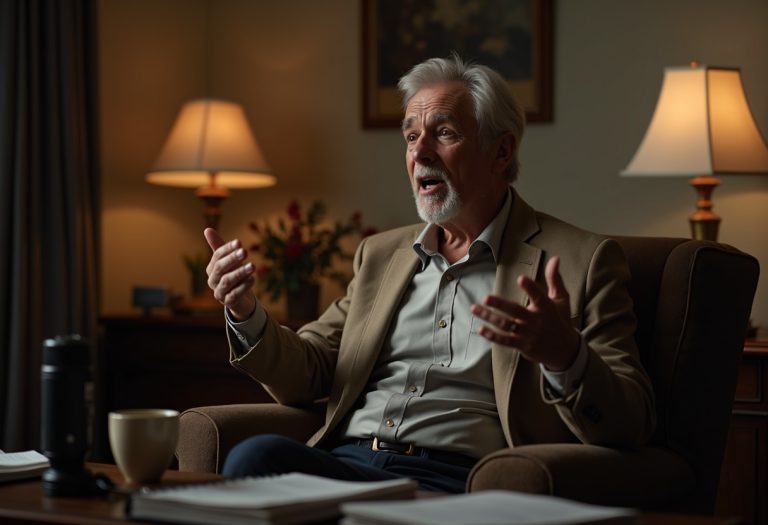
People picture a ghostwriter having one good conversation and then writing the book. Mine is different. By the time Joe Rockey and I finished, we had spent the equivalent of a full workday across multiple structured sessions, and the reason…
 Client Stories
Midway through discovery, almost every client asks the same thing: how much of this actually goes in the book? It is the right question, and the answer shapes the whole second half: principles, not application, share the thinking generously and…
 Client Stories
Most business books fail at their real job, not selling or reviews, but producing clients, credibility, and conversations with the right people, because the author built the wrong book. There are two kinds: one written for the public, and one…
 Client Stories
A business book's title is the first argument it makes, the concept the author attaches their name to in every conversation for as long as it is in print. Finding the right one for Joe Rockey's book took several candidates…
 Client Stories
The interviews are done and the knowledge base is built, and now comes the hardest part: turning all of it into a structure that holds. An outline for a business book is not a table of contents; it is the…
 Client Stories
Before the full manuscript, I write one chapter, send it over, and ask a single question: does this sound like you? Not is it accurate, not is it well-written, does it sound like you. Voice is what makes a ghostwritten…
 Client Stories
A ghostwriter who never publishes under their own name never has to live with the consequences of a bad structural decision.
 Client Stories
Not because they were badly made. Because the reason for making them was wrong, and no amount of craft fixes that.
 Client Stories
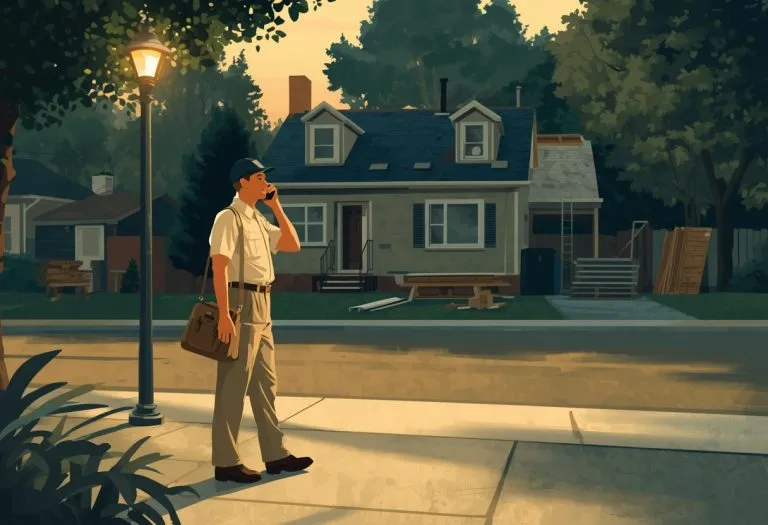
I wrote a book for a mail carrier who flipped houses on the side and kept saying how easy it was. Contractors called him on his route, the book never got finished, and his biggest problem was that he didn't…
Professional ghostwriting for executives, founders, coaches, and authors who want to get the book done right. 113+ books authored. 54+ ghostwritten for clients.
Ready to discuss your book?
BOOK YOUR PRIVATE CONSULTATIONNo pitch. No pressure.
© 2026 Richard Lowe. The Writing King. All rights reserved.