TL;DR
10/10. The novel that gave us the language of tyranny, and a lesson in carrying a political argument through one man’s experience without ever lecturing. Grim, occasionally essayistic, and structurally daring in its refusal of false hope. Close to untouchable.
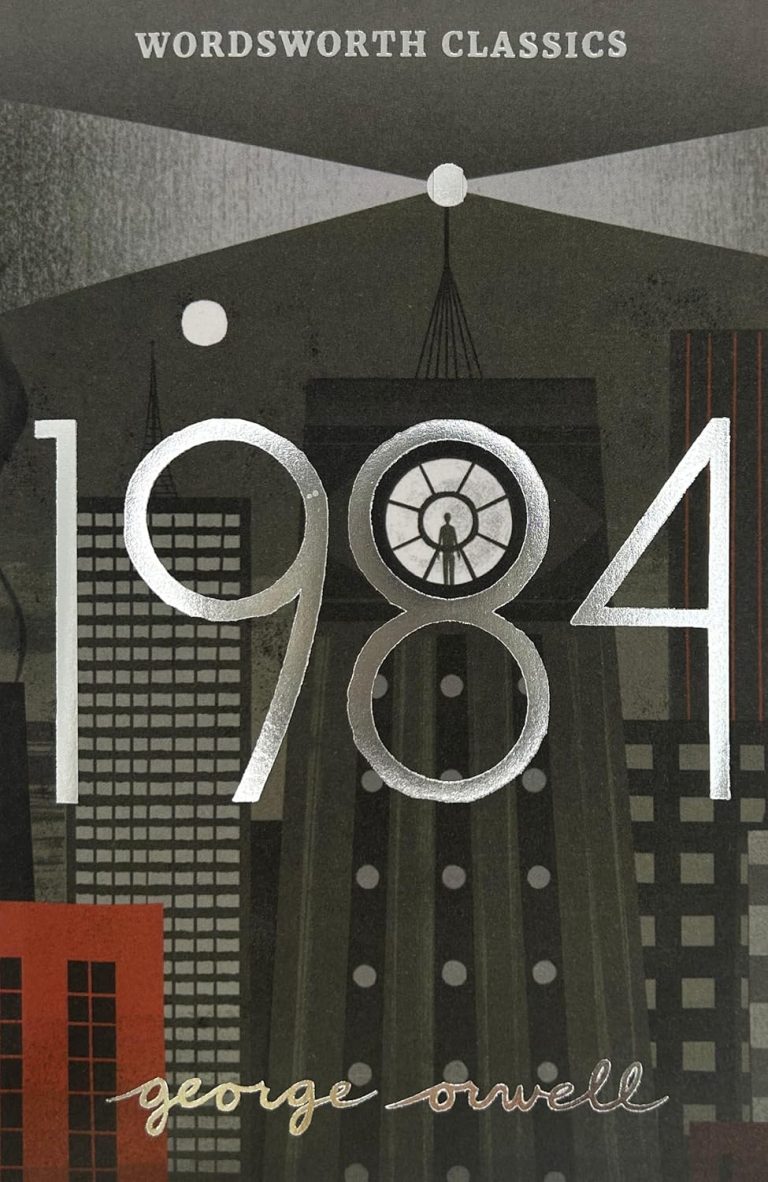
Big Brother. Doublethink. Thoughtcrime. The memory hole. A boot stamping on a human face, forever. Nineteen Eighty-Four gave us the vocabulary for tyranny, and the words have outlived most of the century’s fiction because they named something permanent about power. Published in 1949, George Orwell’s novel follows Winston Smith, a low-level functionary in a totalitarian superstate who commits the crime of thinking for himself, and traces what the state does to a mind that refuses to surrender. It’s among the most influential novels ever written, and among the bleakest.
As a writer I find it worth studying for one reason: Orwell makes an argument through story without ever letting the argument flatten the story, the hardest thing political fiction attempts.
How the Argument Becomes a Story
The book could have been an essay. Orwell had already written the essays. What makes the novel land is that he dramatizes the ideas through one ordinary man’s experience. We don’t get a lecture on surveillance, we get Winston’s small, doomed attempts at privacy. We don’t get a treatise on propaganda, we watch Winston rewrite history at his job and feel the vertigo of it. Most political novelists can’t resist climbing on a soapbox, and it wrecks their books. Orwell delivers the horror through one man’s nerves, so it sticks where an essay would slide off.
The famous concepts work because they’re shown in operation.
Orwell doesn’t define doublethink and leave it there, he enacts it until you feel the mental contortion. He illustrates Newspeak through a character who loves it, cheerfully explaining how shrinking the language shrinks the range of possible thought. Orwell trusts dramatization over explanation, and that trust is the craft lesson.
Keep reading
Heroes, villains, and the fictional narratives that control elections: Orwell is the master of political fiction. How story carries an argument without becoming a lecture.
Watch: 1984 - Book Summary, GradeSaver
The Craft of Despair
The structural daring is the ending, which I won’t spoil beyond saying it refuses the catharsis readers are trained to expect.
Orwell understood that a hopeful ending would have betrayed the book’s argument, so he denied it, and the denial makes the novel unforgettable. Writers who bolt a happy ending onto a dark book to keep readers comfortable are cowards, and Orwell shows them up. Some books should leave you devastated, because the devastation is the point.
The middle sags slightly, the long extract from the in-world book on oligarchical collectivism stops the narrative cold, and Julia is thinner as a character than Winston. That extract is a slog, and I’d cut half of it. None of it matters, because the cumulative force of the thing flattens every flaw.
Keep reading
Foreshadowing: 24 iconic uses in books and movies: Orwell plants the ending early and subtly. How foreshadowing sets up a devastating finish.
Is Nineteen Eighty-four worth reading?
It’s one of the essential novels in the language, and its phrases have outlived most of the century’s fiction because the book named something permanent about power and truth. As a story it’s grim, occasionally essayistic, and not built for comfort. As an achievement it’s close to untouchable. Every writer who wants to argue through fiction should study how Orwell does it without ever stopping to argue. I give it a ten without a second thought. It gets more uncomfortable every year, because the real world keeps borrowing its vocabulary.
Explore the hub
The Writing Hub: craft, including how to carry an argument through story.
Frequently Asked Questions
Other Books From – Fiction


About the author