TL;DR
5/10. A guided prompt journal, not a craft book, built to get a hesitant writer past the blank page. It does that one small job pleasantly, but teaches no craft and its prompts are ordinary and free elsewhere. A gentle on-ramp for beginners who like a write-in journal; nothing for anyone past that stage.
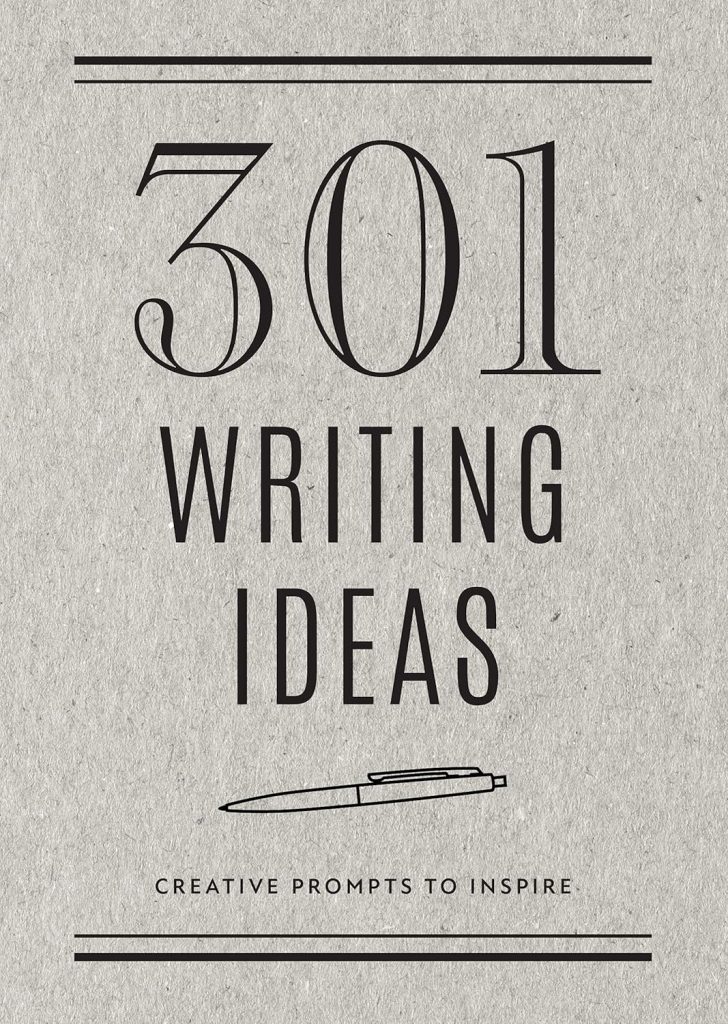
301 Writing Ideas is a guided journal, a physical book of prompts with space to write in, designed by the editors at Chartwell to get a stuck or hesitant writer past the blank page and into the habit of putting words down. Judged as what it is, a prompt collection and writing-habit tool instead of instruction, it does a simple thing reasonably well.
The premise is sound and the need is real. Lack of skill doesn’t stop a great many would-be writers. The intimidating blankness of an empty page does, and a prompt removes that paralysis by handing you a starting point so you can begin before you feel ready.
What does 301 Writing Ideas offer?
The book provides 301 prompts, from memoir-style questions about your own life to imaginative scenarios and observational exercises, each with room to respond directly in the book. The variety is the point: on any given day something in the list will catch, and the writer who couldn’t think of what to write now has 301 doors to walk through. As a tool for building a daily writing habit, or for warming up before real work, or for a beginner who simply needs to start, it serves.
Keep reading
Writing prompts that actually unstick you: the principle behind prompt journals, with a deeper set of starting points.
Watch: 301 WRITING IDEAS book review, CCHAD Product Reviews
What are the limits of 301 Writing Ideas?
The caveats are the same that apply to any prompt collection.
It teaches nothing about craft; it only gets you writing. That’s valuable but limited. The prompts themselves are perfectly ordinary, the kind any writer could generate or find free online in abundance, so what you’re paying for is the convenience of having them collected with space to write.
And a journal you write in is a single-use object instead of a reference you return to. That makes the value proposition thin for anyone who already has a notebook and the willingness to fill it.
Prompt-driven writing has a trap, and it costs more than the price. A prompt gets you onto the page, but it doesn’t teach you to generate your own material, and a writer who becomes dependent on prompts hasn’t learned the harder, more important skill of finding what they want to say. The best use of a book like this is as training wheels, a temporary aid to build the daily habit, with the goal of outgrowing it.
Used that way it serves; used as a permanent crutch it can keep a writer from developing their own well of ideas. The journal can’t tell you that, so I’ll say it for it.
Keep reading
Beating writer’s block: practical ways to start again: prompts are one fix for the blank page; here are the others.
Who benefits most from using a guided writing journal?
It’s a pleasant, functional tool for getting a hesitant writer writing. For a beginner who responds well to structure and likes the tactile ritual of a guided journal, it’s a gentle on-ramp worth the modest price. For anyone past that stage, or anyone willing to use a plain notebook and free prompts, it offers nothing a craft book or a blank page wouldn’t.
It sits low on the scale because its job is small and easily done for free. Give it to a nervous beginner as a gift if you like. Anybody serious should keep the money and buy a plain notebook.
Explore the hub
The Writing Hub: prompts, habit, and the rest of the craft, gathered in one place.
Frequently Asked Questions
Other Books From – Games and Activities
About the author