
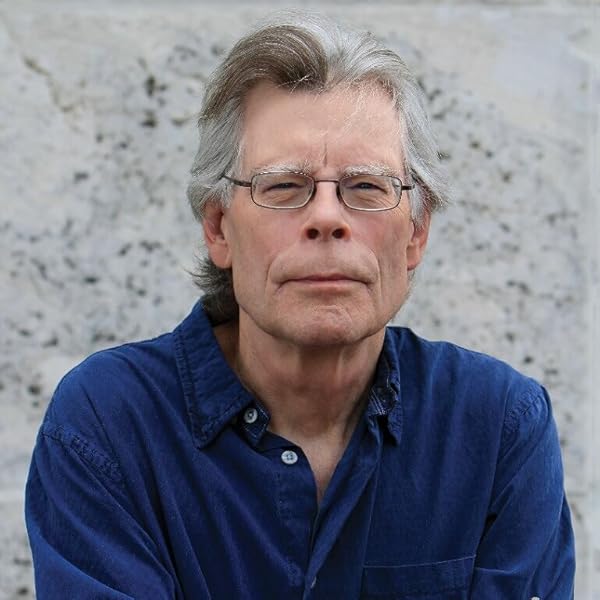
Stephen Edwin King (born September 21, 1947, Portland, Maine) is an American novelist and the most commercially successful and culturally central horror writer of the twentieth and twenty-first centuries. He has published more than sixty-five novels (including seven under the pen name Richard Bachman), around two hundred short stories collected in multiple anthologies, five nonfiction books, and dozens of screenplays. His books have sold more than four hundred million copies worldwide and have been translated into more than forty languages. He has won the Bram Stoker Award, the World Fantasy Award, the British Fantasy Award, the Hugo Award (for Danse Macabre), the O. Henry Award, the National Book Foundation Medal for Distinguished Contribution to American Letters (2003), the 2014 National Medal of Arts from President Obama, and the PEN America Literary Service Award. He has been a Grand Master of the Mystery Writers of America (2007) and of the Horror Writers Association.
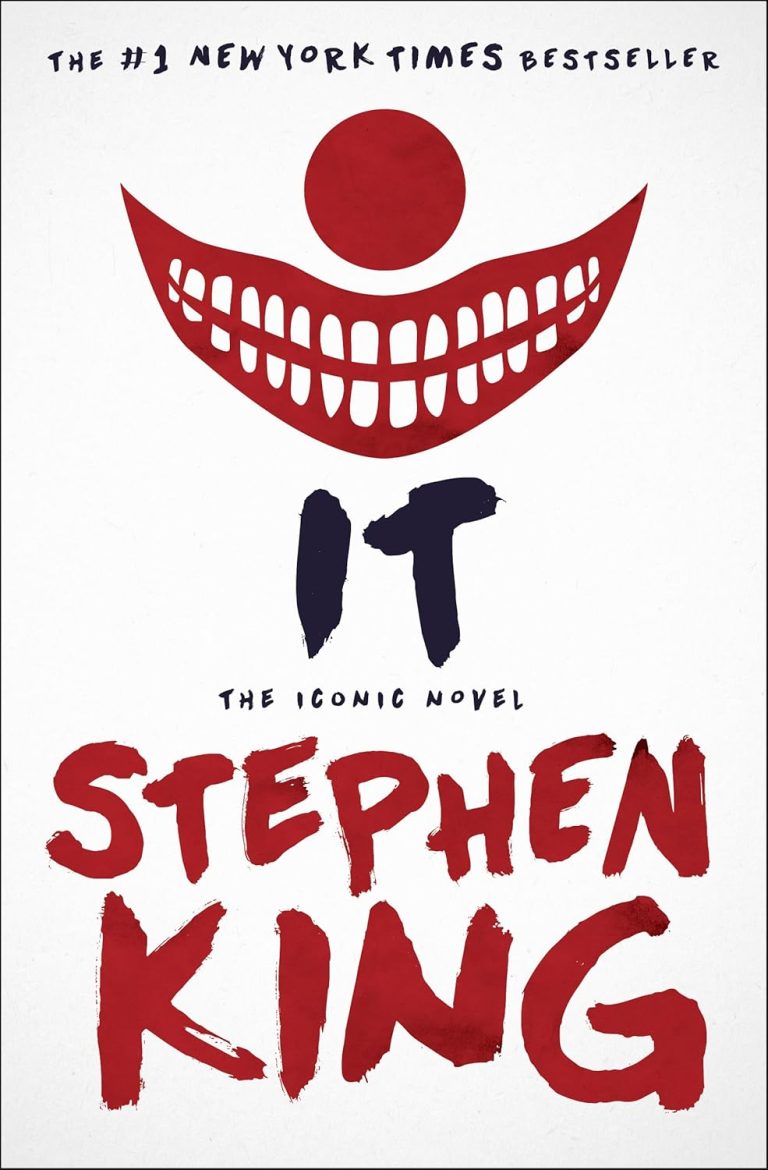
His debut novel Carrie (Doubleday, 1974) was famously rescued from the trash by his wife Tabitha, sold the paperback rights for what was then a career-changing four hundred thousand dollars, and launched him into full-time writing. The novels and collections that followed defined modern horror as a popular genre: Salem's Lot (1975), The Shining (1977), Night Shift (1978), The Stand (1978; the uncut edition 1990), The Dead Zone (1979), Firestarter (1980), Cujo (1981), Different Seasons (1982; containing Rita Hayworth and Shawshank Redemption and The Body), Pet Sematary (1983), It (1986), Misery (1987), The Tommyknockers (1987), The Dark Half (1989), Needful Things (1991), Dolores Claiborne (1992), Gerald's Game (1992), Insomnia (1994), Bag of Bones (1998), Hearts in Atlantis (1999), Dreamcatcher (2001), Cell (2006), Duma Key (2008), Under the Dome (2009), 11/22/63 (2011), Doctor Sleep (2013, the sequel to The Shining), Mr. Mercedes (2014, beginning the Bill Hodges trilogy), Revival (2014), The Outsider (2018), The Institute (2019), Billy Summers (2021), Fairy Tale (2022), Holly (2023), You Like It Darker (2024), and Never Flinch (2025). The eight-volume Dark Tower series (The Gunslinger through The Dark Tower) ran from 1982 through 2012 and is the unifying spine of his fictional universe.
His film adaptations have created a parallel cultural footprint: The Shining (Kubrick, 1980), Carrie (De Palma, 1976), Stand By Me (Reiner, 1986, from The Body), The Shawshank Redemption (Darabont, 1994, from Rita Hayworth and Shawshank Redemption), Misery (Reiner, 1990, Best Actress Oscar for Kathy Bates), The Green Mile (Darabont, 1999), It (2017 and 2019), Dolores Claiborne, Pet Sematary, The Mist, Doctor Sleep, and many more across film and television.
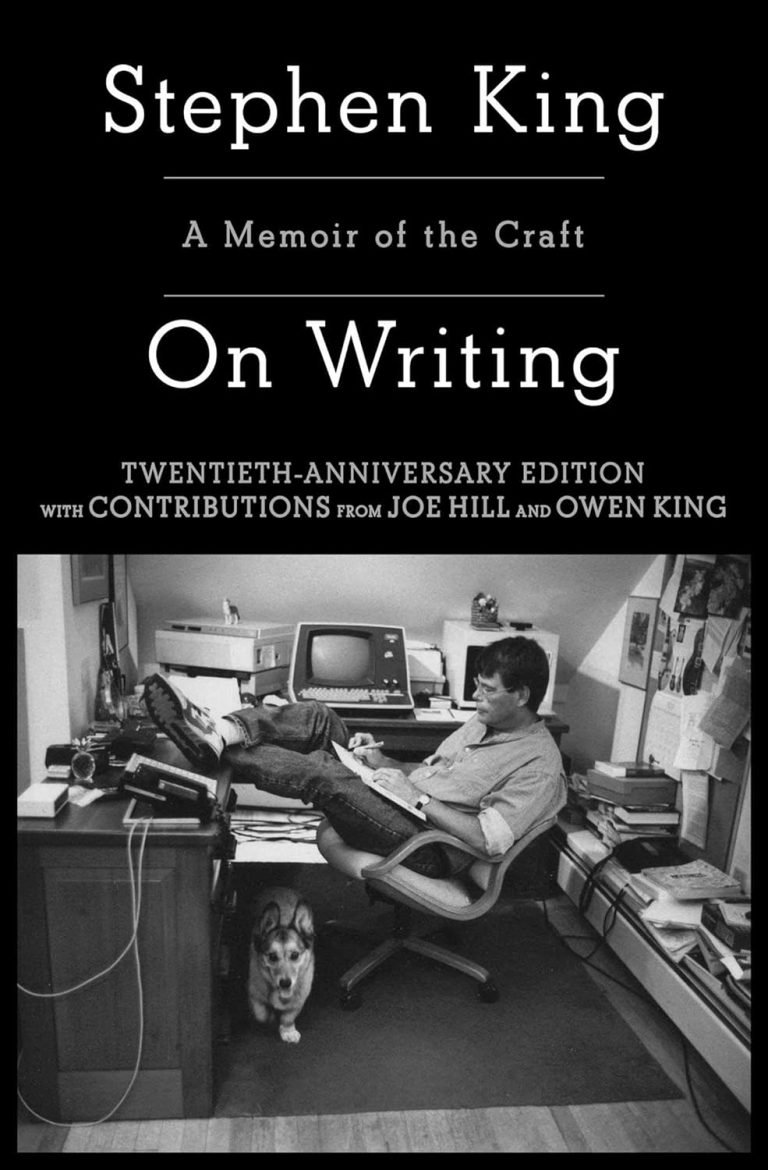
His writing-craft memoir On Writing: A Memoir of the Craft (Scribner, 2000), written during his recovery from being hit by a van in 1999, is one of the most widely read working-writer books ever published, and its central premise (that the writer writes every day, six days a week, around two thousand words a day, with the door closed first and the door open later) has shaped a generation of working novelists. His other nonfiction includes Danse Macabre (1981), his survey of the horror genre. He lives in Bangor, Maine, and in Florida with his wife, the novelist Tabitha King, with whom he has three children: novelists Joe Hill and Owen King, and Naomi King.
Stephen King
Stephen King
Professional ghostwriting for executives, founders, coaches, and authors who want to get the book done right. 113+ books authored. 54+ ghostwritten for clients.
Ready to discuss your book?
BOOK YOUR PRIVATE CONSULTATIONNo pitch. No pressure.
© 2026 Richard Lowe. The Writing King. All rights reserved.