
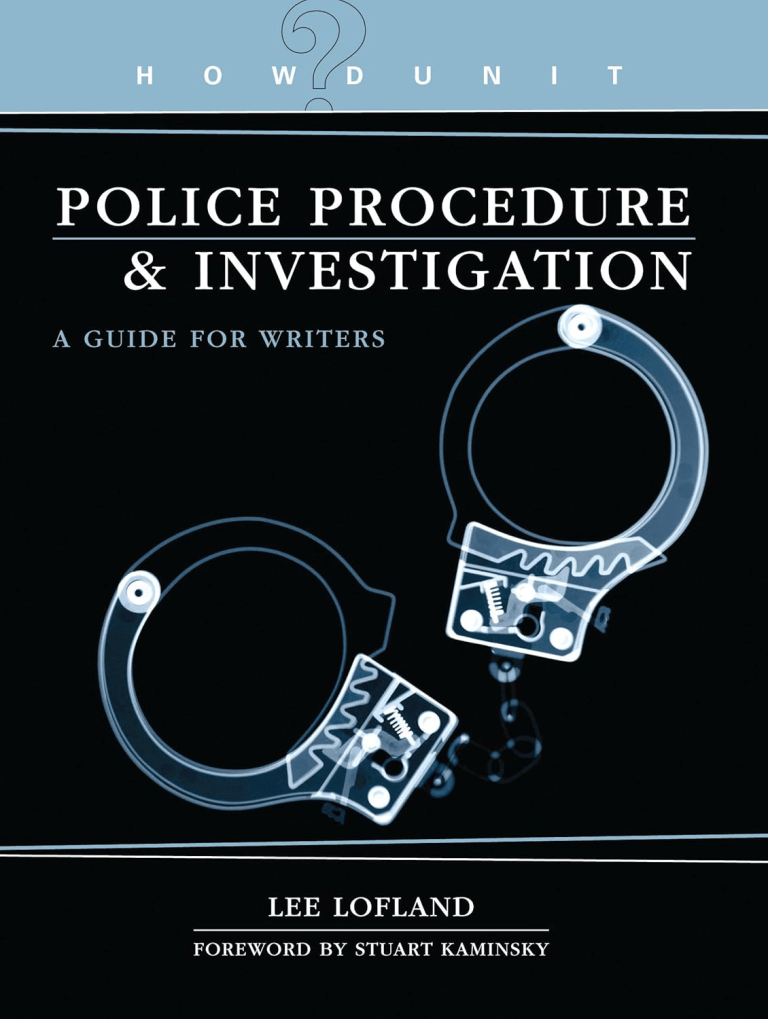
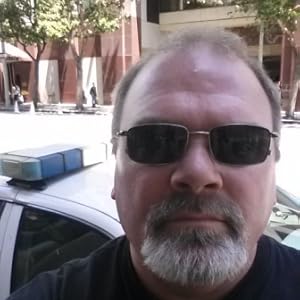
Lee Lofland is a retired American police investigator with a career in law enforcement spanning nearly two decades, the author of Police Procedure and Investigation: A Guide for Writers (Writer's Digest, 2007), and the founder and host of the annual Writers' Police Academy. He has worked hundreds of cases including homicide, rape, murder-for-hire, and kidnapping, and is the recipient of the Virginia Association of Chiefs of Police Medal of Valor among other commendations.
Police Procedure and Investigation is the standard procedural reference for crime, mystery, and thriller novelists who want their fiction to match how American law enforcement actually works. The book covers officer training and academy life, weapons and equipment, patrol procedures, traffic stops, drug investigations, undercover work, surveillance, arrest and booking, interview and interrogation, crime scene processing, evidence handling, and the federal Con Air prisoner transport system. It includes more than eighty photographs and illustrations and is built around first-person accounts from Lofland's own cases, including arrests, criminal encounters, and his work as a witness to death penalty executions.
He is the founder, director, and host of the Writers' Police Academy, an annual hands-on event where novelists train at a real police academy facility with working law enforcement, fire, and EMS instructors. Past keynote and guest speakers have included Lee Child, Michael Connelly, Tami Hoag, Karin Slaughter, Lisa Gardner, Kathy Reichs, Jeffery Deaver, Marcia Clark, Craig Johnson, and Lee Goldberg. The event includes patrol ride-alongs, building search drills, high-risk traffic stops, firearms simulator work, interrogation training, and the Golden Donut Short Story Contest.
He maintains the long-running blog The Graveyard Shift at leelofland.com, where he answers procedural questions from writers and consults regularly with bestselling crime authors and television producers. He has appeared as a law-enforcement expert on BBC, CNN, NPR's Talk of the Nation, and PBS, and is a frequent speaker at writing conferences including Left Coast Crime, Pennwriters, Deadly Ink, and the Willamette Writers Conference.
Lee Lofland
Professional ghostwriting for executives, founders, coaches, and authors who want to get the book done right. 113+ books authored. 54+ ghostwritten for clients.
Ready to discuss your book?
BOOK YOUR PRIVATE CONSULTATIONNo pitch. No pressure.
© 2026 Richard Lowe. The Writing King. All rights reserved.