Digital Transformation When You’re Not a Tech Company
TL;DR Most digital transformation advice assumes a tech company. I ran it for a retailer, a company whose actual business was selling things, not building software. That is different, and
Technology ghostwriting is a narrow specialty: a writer who can both handle the technical and business material and turn it into a book in the leader’s voice. These articles come from someone who led enterprise transformations for two decades and ghostwrote three digital transformation books for executives. The experience is real, which is why the books are accurate.
TL;DR Most digital transformation advice assumes a tech company. I ran it for a retailer, a company whose actual business was selling things, not building software. That is different, and
TL;DR I ghostwrote three digital transformation books for executives, and it taught me something running transformations did not. Each executive did it completely differently, at a scale far bigger than
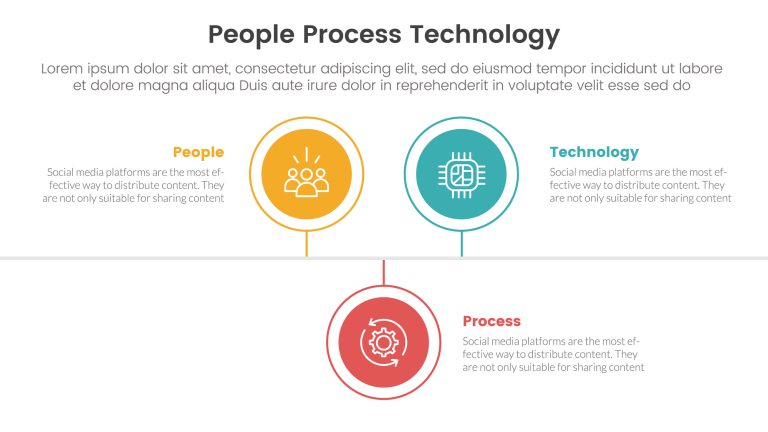
TL;DR Do digital transformation in this order: people, process, technology. People first, always, which means asking what happens to each person. Do they get retrained? Retired? Where do they go?
TL;DR The hardest part of running technology was not the technology. It was that leadership spoke business and I spoke tech, and neither of us understood the other. I did
TL;DR Legacy systems do not die because a strategy wants them gone. I had to keep ancient systems alive for years, including one running on hardware that could no longer
TL;DR Most digital transformations fail for an unglamorous reason: poor testing. Everyone tests whether the system works normally. Almost nobody tests what happens under real load, or what happens when
TL;DR Digital transformation is plumbing. The buzzword makes people picture something exciting, but the real work is infrastructure, done one component at a time. I led enterprise transformations at a
If this sparked something, let's talk about turning your expertise into a finished book.