Latest
Royce Blake: Why Benefits Beat Features in Every Pitch You MakeJoe Rockey: The Psychology of Getting People to Be Honest and to BuyBen the Automator: How to Automate the Work That Wastes Your DayPaul Barry: Making Habit Change Conversational So Nobody Feels HopelessJoe Rockey: The Coming Recession Is About People, Not EconomicsDiana Lee: Using AI as a Thought Partner That Amplifies What Makes You HumanRutherford Pascal: What New Coke, Microsoft, and 32 Years in Pharma Teach About LeadershipAnthony Markey: Why Podcasting Beats Pitch-Slapping as a Way to NetworkBen the Automator: Why Digital Transformation Starts With People, Not SoftwareDeanna Farnell: How a Corporate CPA Rebuilt Her Life Around Healing Stress at the RootDaniel Holguin: Leadership Lessons From a Cancer Survivor and Former Police OfficerDoug Hohulin: How AI Could Save a Billion Lives and Prevent Avoidable DeathsRalph Brown: Four World Records and a Race Around the Entire PlanetMichael O’Brien: Why Startups Fail and What VCs Actually Look ForShawn Abeling: What Bad Leadership Looks Like From the Ground UpRhonda Bowen: Why Great Leaders Are Really Great CommunicatorsNikhil Raval: How to Actually Understand and Lead Gen ZDan Shinder: The Power of Forgiveness and Choosing What You Expose Yourself ToVladimir Ingerman: A Soviet Engineer’s Journey Through Oil, Gas, and InnovationRob Fenstermaker: The Warrior Spirit and What It Means to Lead as a ManDoris Walsh: Coaching High Achievers Torn Between Success and FulfillmentJoe Rockey: Why Your Pricing Fails Before You Ever Set a NumberPacing Problems Nobody Talks AboutWhat AI Does Well, and What It Cannot DoThe Most Dangerous Thing You OwnThe Story That Made Me Cry at My KeyboardWhat a Belly dancer Taught Me About WritingGood Security Policy Names NamesWriting Fairy Tales: Techniques That Make Stories WorkMaster Superhero Fiction: Top 10 Writing TechniquesRhythm in Writing: How to Give Your Prose a PulseI’ll Write It Myself SomedayALLi Author Self-Publishing Success StoryEmotional Writing: 8 Inspiring Techniques for Deeper ConnectionsLiterature Related Holidays: Over 100 Festive Dates for BookwormsUsing an Animal’s POV: 7 Tips for Unique StorytellingThematic Writing: 7 Techniques That Hold a Book TogetherSoftware Testing: 10 Things Most Teams Get WrongUncanny Valley in Writing: What It Is and How to Use ItWhy YouTube Sucks: A Love-Hate Account (With the Numbers)Facing Hurricane Irma: 7 Lessons in Storm SurvivalWhy TikTok Sucks: The Criticism, Backed by the NumbersEcho Chambers: Why You Are in More Than You ThinkTales from the Digital Trenches: War Stories from the Early Days of ComputingSearch Engine Echo Chambers – Why Google Shows You What You Want to HearMainstream Media Echo Chambers: When the News Becomes a Team SportEcho Chambers in Fiction – How to Write Characters Trapped in Their Own CertaintyWhy Yelp Sucks: 7 Reasons, An Unfiltered ReviewWhat Makes a LinkedIn Post Go ViralCharacter Development: An 8-Step Guide

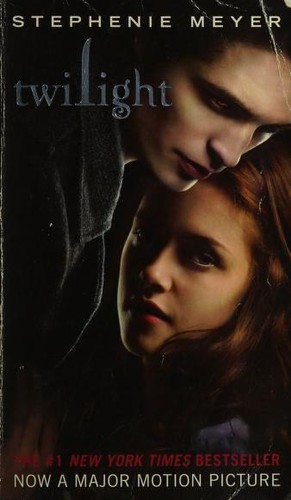
Twilight

Twilight
Published:January 1, 2008
ISBN:0316038377
Pages:544
ISBN:9780316038379
Share:

Buy Now

Description:

TL;DR

5/10. Twilight wasn’t for me, on the level of both writing style and subject matter, and I rate it a five, the floor of my scale. The rating comes with an honest qualification. This book is beloved by millions and sells enormously. The distance between my reaction and its readership is a matter of taste. I enjoy certain kinds of romance; this particular flavor simply wasn’t my cup of tea.

I’ll be straight about Twilight: it wasn’t for me, not even close. Stephenie Meyer’s wildly popular vampire romance, in which teenager Bella falls for the brooding vampire Edward, became a global phenomenon and launched a franchise that millions of readers adore. I’m not one of them. I do like romance, certain kinds of it. The writing style and the subject matter here weren’t my cup of tea, and I bounced off the book hard.

I’m rating it a five, which on my scale is the floor, and I want to be clear that the gap between my reaction and its enormous, devoted readership is mostly a matter of taste.

That last point matters, so let me put it up front: this book has sold tens of millions of copies and is beloved, so my dislike is a difference in taste, not a claim that everyone should share it.

Not my kind of book

The honest core of my reaction is that the writing style and the subject matter didn’t work for me. The prose didn’t land, the central romance didn’t draw me in, and the whole sensibility of the book ran against my own preferences as a reader.

I do enjoy romance when it’s the kind that suits me, so this isn’t a blanket dismissal of the genre, it’s that this particular flavor of romance, the brooding, all-consuming teenage variety at the heart of Twilight, simply isn’t what I look for in a book. Where its many fans find swoon and intensity, I found a story I couldn’t connect with, and no amount of its popularity changes the fact that it left me cold.

Keep reading

What different readers want from a romance: the matter of taste that divides readers on a book like this, in the craft of romance writing.

A genuine matter of taste

What keeps this from being a simple thumbs-down is the undeniable fact of the book’s success and the genuine love so many readers have for it. Twilight didn’t sell tens of millions of copies by accident. It delivers something powerful to its audience, an emotional experience and a romantic fantasy that lands hard with a great many readers, even if it does nothing for me.

That gap, between my flat reaction and their devotion, is the most honest thing I can point to: it’s a vivid illustration of how much taste varies, and of the fact that a book can fail completely for one reader while being exactly right for millions of others. My low rating is my taste, not a verdict on theirs.

Keep reading

When a beloved book just isn’t for you: the honest gap between a reader’s taste and a book’s huge audience, in how we judge what we read.

The honest caveat on my own review

The fair caveat is that this is very much a personal reaction, and I’m aware of it. A book this popular obviously works for an enormous number of readers, and my disliking it says as much about me and my preferences as it does about the book. I’m not arguing that Twilight is objectively worthless, the market has thoroughly disproved that, only that it didn’t work for me, on the level of both style and subject.

A reader who loves intense, brooding romance, who connects with this kind of story and voice, may well find here exactly what I couldn’t, and they should weigh my reaction accordingly. I’m one reader with particular tastes, and on this book those tastes and the book’s were simply a poor match.

Is Twilight worth reading?

It’s a five, the floor of my scale, and I won’t pretend otherwise: Twilight wasn’t for me, on the level of both its writing style and its subject matter, and I couldn’t connect with it despite enjoying certain kinds of romance.

But the rating comes with an honest and important qualification, this book is beloved by millions, sells enormously, and clearly delivers a powerful experience to its audience, so the distance between my reaction and its devoted readership is fundamentally a matter of taste instead of a claim of objective failure. For readers who love intense, brooding teenage romance, it may be exactly right; for me, it simply wasn’t my cup of tea. One reader’s miss, and a vivid reminder of how much taste varies.

Explore the hub

The Entertainment Hub: popular fiction and the books readers either love or don’t, gathered in one place.

Frequently Asked Questions

What is Twilight about?
Twilight is Stephenie Meyer’s wildly popular vampire romance, in which teenager Bella Swan falls for the brooding vampire Edward Cullen. The book became a global phenomenon and launched a franchise that millions of readers adore. I read it for myself and found that the central romance and its brooding intensity didn’t draw me in the way it does for so many fans. Even though the story wasn’t to my taste, I can see why its combination of teenage longing and vampire mystery captured such a huge audience.
Why does Richard Lowe rate Twilight a five out of ten?
I rate Twilight a five because the book wasn’t for me, both in its writing style and its subject matter, and I couldn’t connect with the central romance the way so many readers do. Five is the floor of my own rating scale, so this reflects the strongest dislike I record for a book. I want to be clear that this is an honest qualification instead of an objective verdict, since Twilight is beloved by millions and sells enormously. The gap between my flat reaction and its devoted readership comes down to taste, not a claim that the book is poorly made. I do enjoy certain kinds of romance, just not this particular brooding, all consuming teenage flavor.
Is Twilight a bad book?
That’s not what my rating claims. Twilight is beloved by millions and sells enormously. That thoroughly disproves any notion that it’s objectively worthless. My low rating reflects my personal taste, not a verdict that the book fails for everyone, because it clearly doesn’t.
Does Richard Lowe dislike romance generally?
No. I enjoy romance when it’s the kind that suits me, so this isn’t a blanket dismissal of the genre. It’s that this particular flavor, the brooding, all-consuming teenage variety at the heart of Twilight, simply isn’t what I look for in a book.
Why does Richard Lowe highlight Twilight’s massive popularity in his low rated review?
I highlight Twilight’s popularity because it’s the fairest context for my low rating. The book has sold tens of millions of copies and clearly delivers a powerful emotional experience to a huge audience, even though it left me cold. Pointing out that gap between my reaction and the devotion of its readers shows that my rating is a matter of personal taste instead of an objective judgment of the book’s quality. It also reminds me, and any reader of my review, that a book can fail completely for one person while being exactly right for millions of others.
Should you read Twilight?
If you love intense, brooding romance and connect with that kind of story and voice, you may well find here what its millions of fans do, and what I couldn’t. If your tastes run as mine do, it may leave you cold. Weigh my reaction as one reader’s particular taste.

About the author

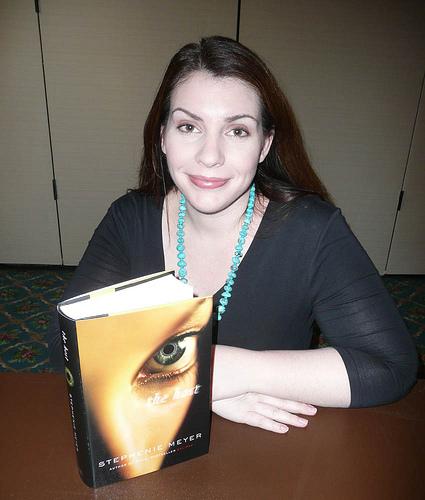
Stephenie Meyer

Stephenie Meyer

an American novelist and film producer. She is best known for writing the vampire romance series Twilight. Meyer was the bestselling author of 2008 and 2009 in the U.S. Meyer received the 2009 Children's Book of the Year award from the British Book Awards for Breaking Dawn, the Twilight series finale. Stephenie Morgan was born on December 24, 1973, in…

More about Stephenie Meyer

Back