
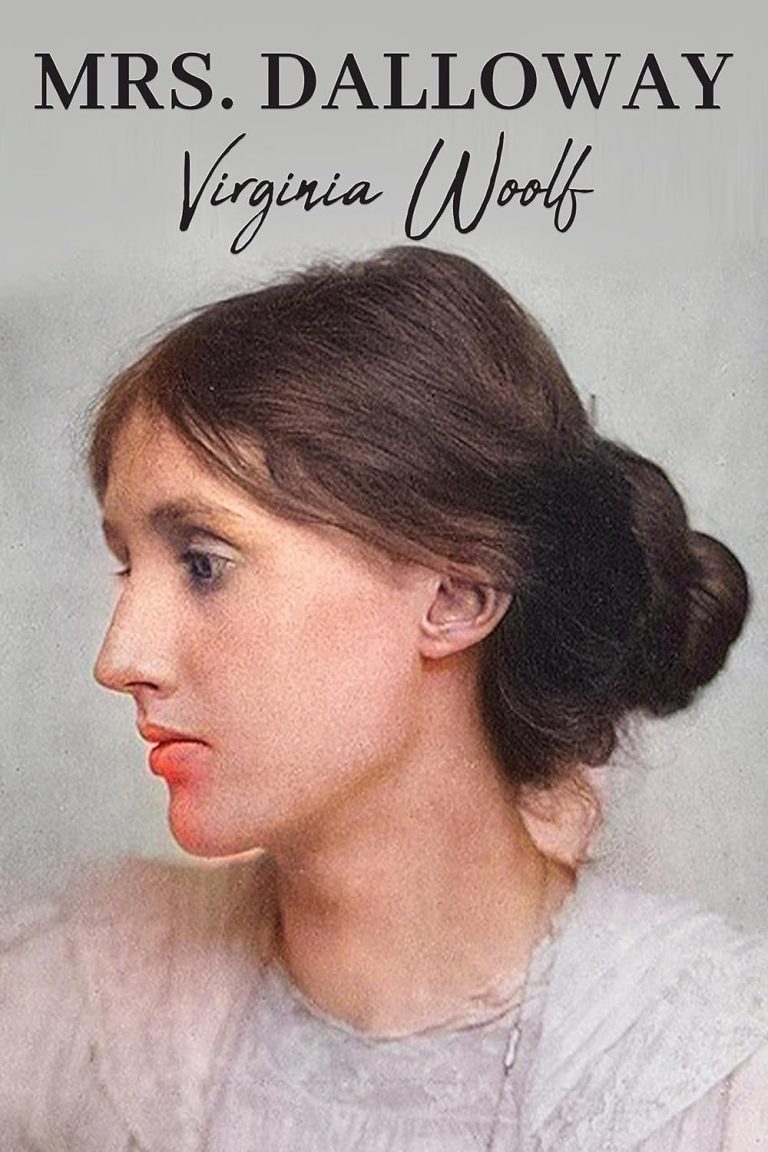
Virginia Woolf was an English writer, born Adeline Virginia Stephen in London in 1882 into an eminent literary family. Educated at home with access to her father's vast library, she was at the heart of the Bloomsbury Group, the influential circle of writers, artists, and intellectuals that shaped modern British culture in the early twentieth century.
Woolf became one of the foremost modernist novelists, pioneering the stream-of-consciousness technique to capture the inner flow of thought and perception. Her major novels, including Mrs Dalloway, To the Lighthouse, Orlando, and The Waves, broke from conventional narrative to explore time, memory, consciousness, and the inner lives of her characters with extraordinary subtlety.
She was also a brilliant essayist and critic. Her extended essay A Room of One's Own, with its famous argument that a woman needs money and a room of her own to write fiction, became a foundational text of feminist literary criticism. With her husband Leonard Woolf she founded the Hogarth Press, which published important modernist works.
Woolf struggled throughout her life with periods of severe mental illness. She died in 1941, taking her own life by drowning. She is now regarded as one of the most important modernist writers and a central figure in twentieth-century literature, admired for both her innovative fiction and her incisive critical and feminist thought.
Virginia Woolf
Professional ghostwriting for executives, founders, coaches, and authors who want to get the book done right. 113+ books authored. 54+ ghostwritten for clients.
Ready to discuss your book?
BOOK YOUR PRIVATE CONSULTATIONNo pitch. No pressure.
© 2026 Richard Lowe. The Writing King. All rights reserved.