
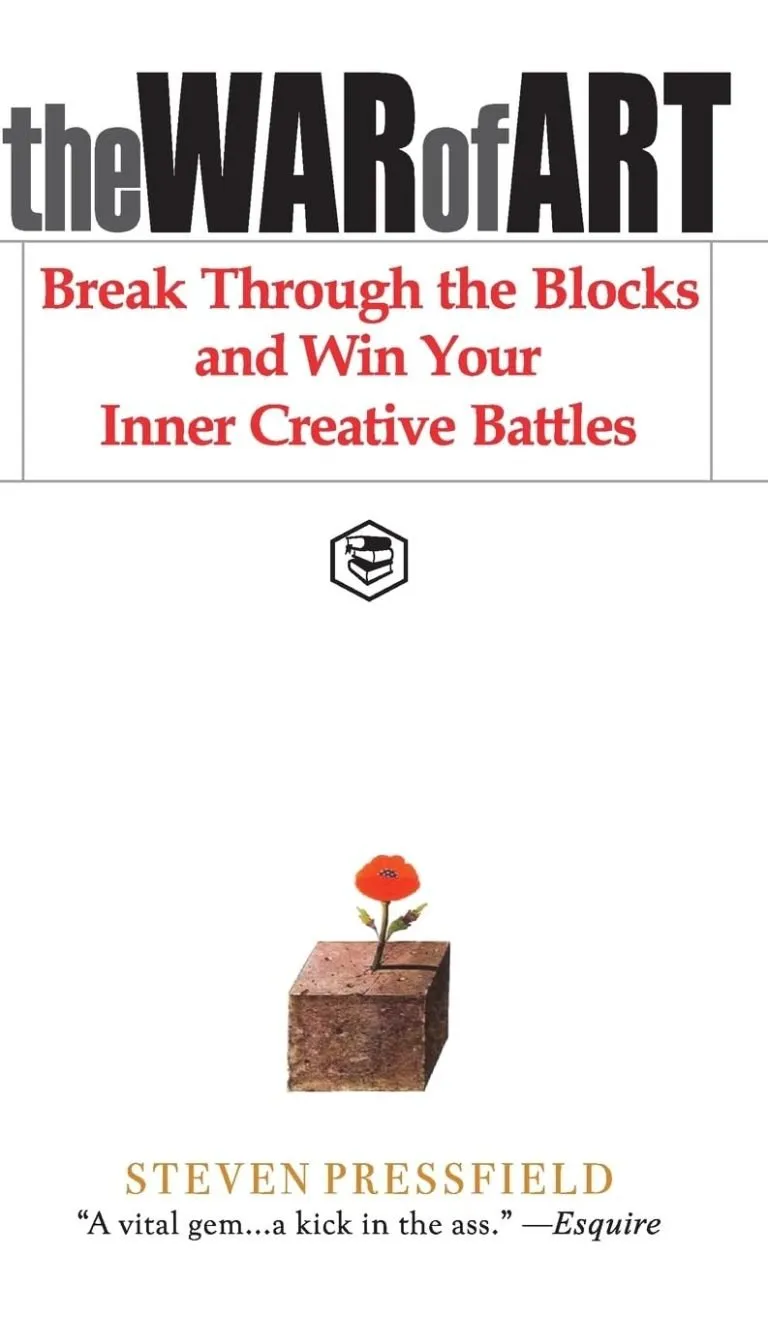
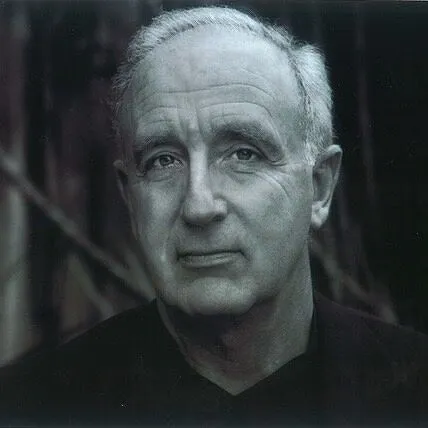
Steven Pressfield (born September 1943, Port of Spain, Trinidad) is an American novelist and craft writer best known for his historical novels of the ancient world and for the writing-life book The War of Art: Break Through the Blocks and Win Your Inner Creative Battles (2002), which has become one of the most quoted and most-given writing-life books of the past quarter century. He graduated from Duke University in 1965, served in the United States Marine Corps, and spent the next several decades working as a truck driver, oil-field roustabout, fruit picker, schoolteacher, mental hospital attendant, and advertising copywriter before his first novel was published at the age of fifty-two.
The Legend of Bagger Vance (William Morrow, 1995), a Depression-era Georgia golf novel grounded in the Bhagavad Gita, was his breakout, adapted by Robert Redford into a 2000 feature film starring Will Smith and Matt Damon. He has since become one of the leading historical novelists of the ancient Greek world. Gates of Fire (1998), about the three hundred Spartans at Thermopylae, is on the official reading list of the United States Marine Corps and is taught at the U.S. Military Academy at West Point and at the U.S. Naval Academy at Annapolis. Tides of War (2000) covers Alcibiades and the Peloponnesian War. Last of the Amazons (2002) tells the war between Theseus and the Amazons. The Virtues of War (2004) and The Afghan Campaign (2006) follow Alexander the Great. Killing Rommel (2008) and The Profession (2011) move into modern military fiction. A Man at Arms (2021) and the more recent Govern Yourself Accordingly continue the line.
His writing-life and creativity books form a distinct second body of work. The War of Art names what he calls Resistance (the universal internal force that fights every creative act) and gives the working writer or artist a daily method for showing up and beating it. Do the Work (2011) is the working companion. Turning Pro: Tap Your Inner Power and Create Your Life's Work (2012) treats the difference between an amateur and a professional as a working identity decision. The Authentic Swing, The Artist's Journey, Nobody Wants to Read Your Sh*t, Put Your Ass Where Your Heart Wants to Be, and Govt Cheese (his memoir of his wilderness years before publication) extend the same working argument.
The War of Art's three-act structure (Resistance, Combating Resistance, and Higher Realm) has become a working framework for tens of thousands of professional writers, artists, founders, and creative practitioners. It has been recommended by Robert McKee, Tim Ferriss, and many other working practitioners as the single most useful book on the working psychology of doing creative work for a living.
Steven Pressfield
Professional ghostwriting for executives, founders, coaches, and authors who want to get the book done right. 113+ books authored. 54+ ghostwritten for clients.
Ready to discuss your book?
BOOK YOUR PRIVATE CONSULTATIONNo pitch. No pressure.
© 2026 Richard Lowe. The Writing King. All rights reserved.