Latest
AI’s Black Box Is Getting a Window. Somebody Still Has to Look Through It“It Stars C. Thomas Howell. No.” Why AI Gets Stuck in a LoopShould You Query or Self-Publish Your Memoir If You’re Not Famous?Judge the Writing, Not the Tool: What the AI Pile-Ons Get WrongThiago Ferreira: Thinkers, Not DoersYana Semova: Let AI Do the AdminLisa Hamilton-Smith: Unstoppable, AI AssistedSuperman Day: The $130 Contract Behind the CapeRaymond Chandler Day: The Novelist Who Started at FiftyJohn Steinbeck Day: The Reporter Who Wrote the NovelInternational Translation Day: The Invisible AuthorsMaya Angelou Day: The Dare That Became a MemoirNational Podcast Day: The Interview Is the Raw MaterialKurt Vonnegut Day: The Book That Took Twenty YearsTell a Fairy Tale Day: The Stories Everybody EditedHarry Potter’s Birthday: The Book Twelve Publishers MissedHarper Lee Day: The Draft Her Editor Saw ThroughGene Roddenberry Day: The Pilot Who Pitched the StarsRoald Dahl Day: Six Pencils and a Grudge Against Grown-UpsInternational Literacy Day: The Readers Books LoseJack Kerouac Day: The Scroll and the Last AddressElmore Leonard Day: Leave Out the Part Readers SkipEncourage a Young Writer Day: The Adult Who Read the PagesBack to the Future Day: The Script Where Everything Pays OffNational Library Lovers Month: The Building a Town Pays ForAlice’s Day: The Story Told on a Rowing BoatRobert E. Howard Day: The Texan Who Built ConanStephen King Day: The Daily Two ThousandEmily Dickinson Day: The Poems in the DrawerIan Fleming Day: Two Thousand Words a MorningFyodor Dostoevsky Day: The Novels Written Against the ClockZora Neale Hurston Day: The Ear She TrainedF. Scott Fitzgerald Day: The Masterpiece That FloppedElmore Leonard’s 10 Rules of Writing, and Which Ones I BreakShould Your Novel Have a Prologue? When a Cold Open Earns Its Place“People Who Use AI Deserve to Be Castrated”: When the Sentence Outruns the CrimeHow Famous Memoirs Were Really Written: What the Collaborators DidThe Bell JarOpen: An AutobiographyBeneath a Scarlet SkyFlorida RoadkillCampus BattlefieldLifeThe Phone Book: The Curious History of the Book That Everyone Uses But No One ReadsThe Sage of SagittariusDid I Ever Tell You This?: A MemoirPa’anAmerican SoldierIt Doesn’t Take a HeroMake Your Bed: Little Things That Can Change Your Life…And Maybe the World

Douglas Adams

Douglas Adams

Douglas Adams was an English author and humorist, born in Cambridge in 1952. He studied English literature at St John's College, Cambridge, where he performed with the Footlights comedy troupe, and worked at various odd jobs while trying to break into writing for radio and television, including contributions to Monty Python's Flying Circus and Doctor Who.

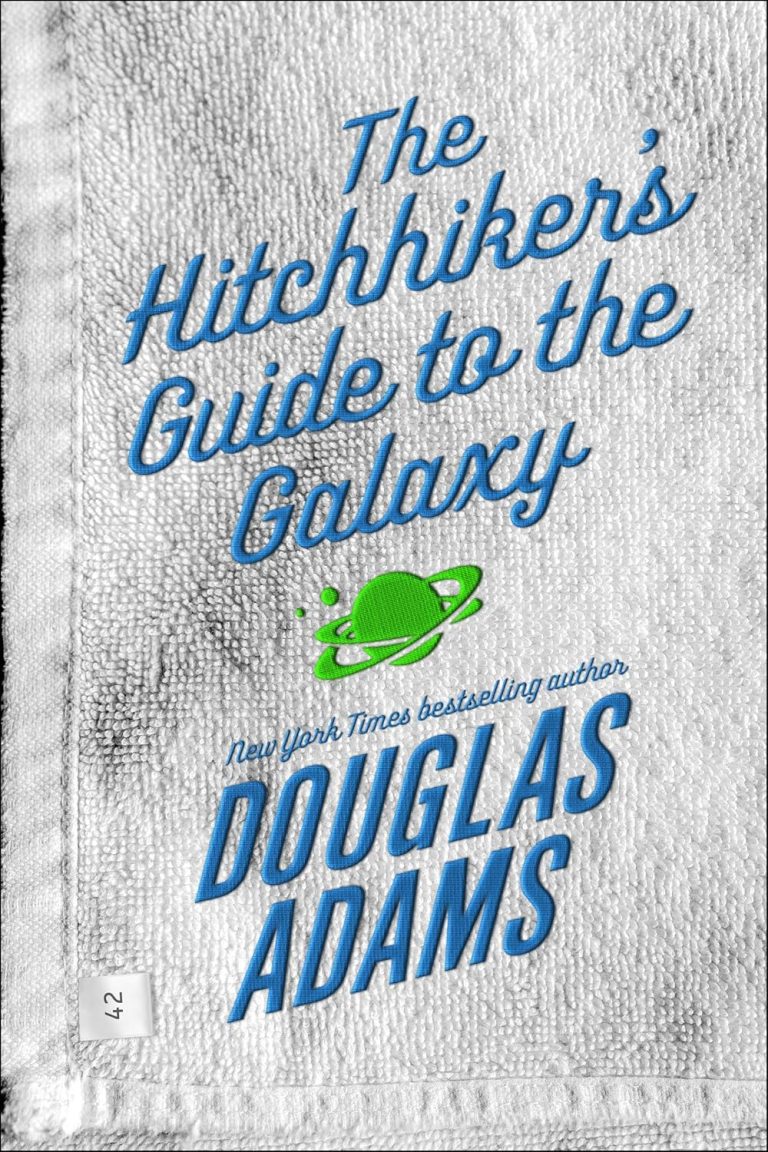
Adams achieved enduring fame with The Hitchhiker's Guide to the Galaxy, which began as a BBC radio comedy in 1978 before becoming a series of novels. Blending science fiction with absurdist British humor, the series follows the hapless Arthur Dent across a gleefully chaotic universe, and introduced ideas and phrases, from the number forty-two to the Babel fish, that became part of popular culture.

The Hitchhiker's series sold millions of copies and was adapted into television, stage, and film versions. Adams also wrote the Dirk Gently novels and, with the zoologist Mark Carwardine, the nonfiction book Last Chance to See, about endangered species, reflecting his deep interest in science, technology, and conservation.

A passionate early adopter of computers and an advocate for environmental causes, Adams was known for his wit, his struggles with deadlines, and his optimism about technology. He died suddenly of a heart attack in 2001 at the age of forty-nine, leaving a comic legacy that continues to delight readers around the world.