Latest
AI’s Black Box Is Getting a Window. Somebody Still Has to Look Through It“It Stars C. Thomas Howell. No.” Why AI Gets Stuck in a LoopShould You Query or Self-Publish Your Memoir If You’re Not Famous?Judge the Writing, Not the Tool: What the AI Pile-Ons Get WrongThiago Ferreira: Thinkers, Not DoersYana Semova: Let AI Do the AdminLisa Hamilton-Smith: Unstoppable, AI AssistedSuperman Day: The $130 Contract Behind the CapeRaymond Chandler Day: The Novelist Who Started at FiftyJohn Steinbeck Day: The Reporter Who Wrote the NovelInternational Translation Day: The Invisible AuthorsMaya Angelou Day: The Dare That Became a MemoirNational Podcast Day: The Interview Is the Raw MaterialKurt Vonnegut Day: The Book That Took Twenty YearsTell a Fairy Tale Day: The Stories Everybody EditedHarry Potter’s Birthday: The Book Twelve Publishers MissedHarper Lee Day: The Draft Her Editor Saw ThroughGene Roddenberry Day: The Pilot Who Pitched the StarsRoald Dahl Day: Six Pencils and a Grudge Against Grown-UpsInternational Literacy Day: The Readers Books LoseJack Kerouac Day: The Scroll and the Last AddressElmore Leonard Day: Leave Out the Part Readers SkipEncourage a Young Writer Day: The Adult Who Read the PagesBack to the Future Day: The Script Where Everything Pays OffNational Library Lovers Month: The Building a Town Pays ForAlice’s Day: The Story Told on a Rowing BoatRobert E. Howard Day: The Texan Who Built ConanStephen King Day: The Daily Two ThousandEmily Dickinson Day: The Poems in the DrawerIan Fleming Day: Two Thousand Words a MorningFyodor Dostoevsky Day: The Novels Written Against the ClockZora Neale Hurston Day: The Ear She TrainedF. Scott Fitzgerald Day: The Masterpiece That FloppedElmore Leonard’s 10 Rules of Writing, and Which Ones I BreakShould Your Novel Have a Prologue? When a Cold Open Earns Its Place“People Who Use AI Deserve to Be Castrated”: When the Sentence Outruns the CrimeHow Famous Memoirs Were Really Written: What the Collaborators DidThe Bell JarOpen: An AutobiographyBeneath a Scarlet SkyFlorida RoadkillCampus BattlefieldLifeThe Phone Book: The Curious History of the Book That Everyone Uses But No One ReadsThe Sage of SagittariusDid I Ever Tell You This?: A MemoirPa’anAmerican SoldierIt Doesn’t Take a HeroMake Your Bed: Little Things That Can Change Your Life…And Maybe the World

Daphne du Maurier

Daphne du Maurier

Daphne du Maurier was an English novelist and playwright, born in London in 1907 into a distinguished artistic family; her father was the actor-manager Gerald du Maurier and her grandfather the writer and cartoonist George du Maurier. She grew up surrounded by theatre and literature, and developed an early love of the wild Cornish coast that would become the setting for much of her fiction.

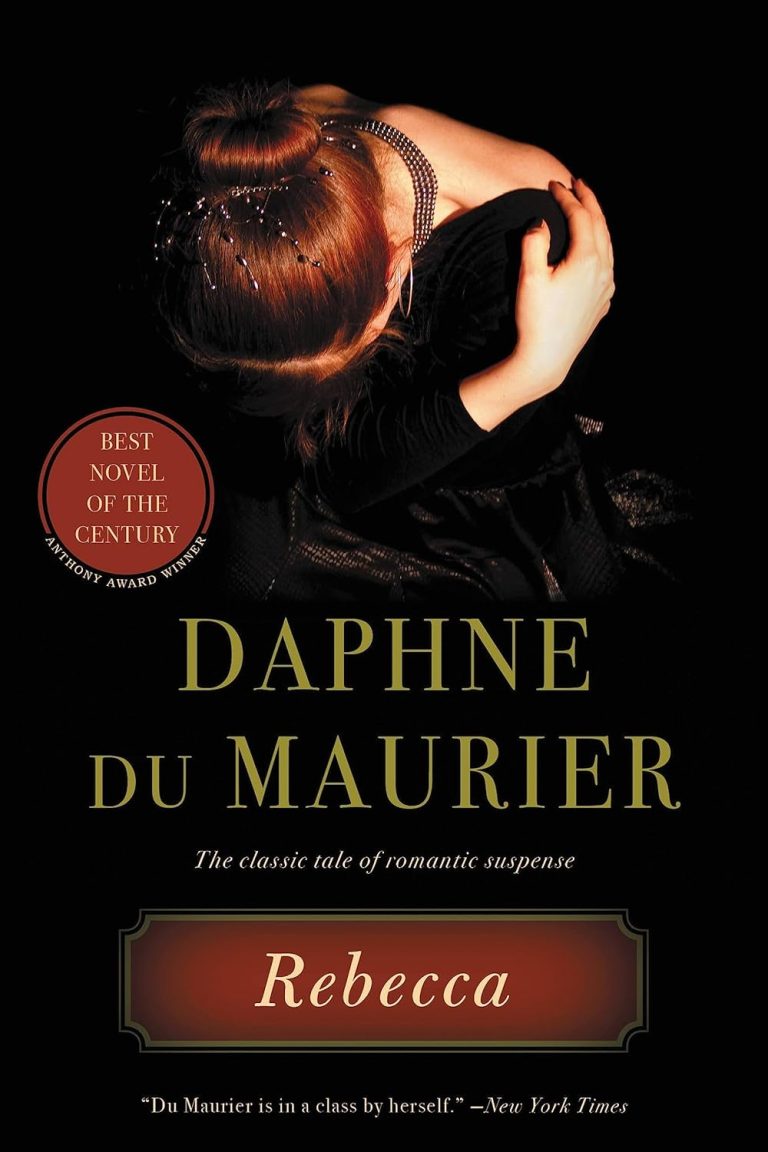
Du Maurier achieved lasting fame with Rebecca, published in 1938, a gothic novel of romance, jealousy, and menace narrated by an unnamed young woman haunted by the memory of her husband's first wife. Its famous opening line and its brooding atmosphere have made it one of the most beloved novels of the twentieth century, and it has never been out of print.

Several of her works were adapted by Alfred Hitchcock, including Rebecca, which won the Academy Award for Best Picture, the novel Jamaica Inn, and the short story The Birds. Her fiction frequently combines suspense, psychological complexity, and a strong sense of place, blurring the lines between romance and the gothic.

Though sometimes dismissed in her lifetime as a popular romantic novelist, du Maurier has been increasingly recognized for the darkness and psychological depth of her work. She was made a Dame of the British Empire and lived much of her life in Cornwall, where she died in 1989.