
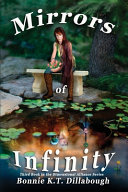
Bonnie K. Dillabough (died April 5, 2025) was an American author, mentor, and creative collaborator best known for the Dimensional Alliance science-fiction and fantasy series. She spent more than two decades working online and in broadcast television, built a career in digital marketing, and raised six children before she ever called herself an author.
She and Richard Lowe met around 2014 in a Facebook group for coloring-book creators, where she served as a moderator and showed the quiet, steady leadership that defined her, leading by listening and bringing calm to a chaotic community. The group eventually faded, but their friendship and creative partnership lasted. She brought her marketing instincts and her broadcast-television experience to editing his Author Talk interview series, never asking for pay or credit.
The turning point came during those Author Talk sessions. After interviewing the author Mercedes Lackey, Bonnie admitted a lifelong dream of writing a book built around a story she had carried since she was sixteen. Lackey's advice, to put her butt in the chair and write, combined with a NaNoWriMo challenge, lit the fuse. She wrote seventy-eight thousand words in November and finished the manuscript by New Year's Day.
That April, two weeks before her sixty-fourth birthday, she published The House on Infinity Loop, the first book in the Dimensional Alliance series. The sprawling universe she created mixed dragons and robots, complex characters, and rich lore, all grown from a recurring dream, and it carried her own optimistic, redemptive spirit onto the page. By the time she passed she had eight books published and a ninth, Tapestry of Infinity, nearly finished, with a full nine-book arc mapped out.
Beyond her own writing, Bonnie mentored aspiring authors, demystified the self-publishing process for the overwhelmed, crocheted hats for the homeless, and stayed active in her church and her online communities even as her health declined. She believed no author is an island and that creativity should be shared rather than gatekept. Her example, that it is never too late to begin, continues to inspire the writers she encouraged. Read the full tribute to Bonnie Dillabough.
Bonnie K Dillabough
Professional ghostwriting for executives, founders, coaches, and authors who want to get the book done right. 113+ books authored. 54+ ghostwritten for clients.
Ready to discuss your book?
BOOK YOUR PRIVATE CONSULTATIONNo pitch. No pressure.
© 2026 Richard Lowe. The Writing King. All rights reserved.