
I spent 20 years as Director of Computer Operations and Technical Services at Trader Joe’s, responsible for systems that couldn’t go down. When a point-of-sale system fails across a retail chain, stores can’t process transactions. Customers leave. Revenue stops. The phone calls from regional managers start before you’ve finished diagnosing the problem.
In that environment, “mistakes are okay” isn’t a philosophy anyone takes seriously.
Mistakes cost money, damage trust, and create cascading problems that take days to resolve. I designed my systems to prevent mistakes through redundancy, testing, and process controls. The goal wasn’t to create a culture where people felt comfortable making errors. I wanted systems that caught errors before they reached the customer.
Two decades of managing teams and another decade of ghostwriting 54+ books taught me that the leaders who say “mistakes aren’t okay” and the leaders who say “mistakes are okay” are both wrong. The first group creates fear.
The second group creates carelessness. Neither group is dealing with the actual problem, meaning what happens after the mistake occurs.
I resent either slogan. Both let a leader skip the hard work of building something that catches errors and then responding to them like an adult. The people who get hurt are further down the chart: the employee who’s scared to speak up, and the customer who absorbs the mistake nobody flagged.
What is wrong with saying mistakes are okay?
The “mistakes are okay” philosophy became popular because it solved a real problem.
In organizations where people were punished for errors, they stopped reporting them. Errors went underground. Small problems became large problems because nobody flagged them early enough to fix them cheaply. The solution was to create psychological safety, an environment where people could admit something went wrong without fearing for their job.
That was the right instinct. Somewhere along the way, though, “don’t punish people for honest errors” became “celebrate failure” and eventually “mistakes are how we learn.”
I blame the conference-stage version of management for that drift, because it turned a practical fix into a feel-good line. Errors that should’ve been caught early started getting shrugged off, and what was meant to be psychological safety turned into intellectual laziness.
The leaders I’ve worked with who run the best organizations, the ones whose businesses grow and whose teams stay loyal, don’t celebrate mistakes and don’t punish them. They treat mistakes as information. Something went wrong.
Why? What in the system allowed it? What changes prevent it from happening again? The focus is never on the person who made the error. It’s always on the process that failed to catch it.
Does Fear Produce Worse Mistakes?
Yes. People who are afraid hide their mistakes, and a small mistake nobody admits to turns into a big one nobody can fix.
Early in my management career, I inherited a team that had been managed through fear. People didn’t report problems. They hid them, worked around them, and hoped nobody noticed. The result was that small issues compounded into system failures that were far more expensive and disruptive than the original problems would have been.
The fix wasn’t telling people “mistakes are okay.” It was showing them. Consistent behavior over months, proving that reporting a problem early would result in the problem getting fixed instead of the person getting blamed. I didn’t lower the standard. I changed the response.
The standard was the same: the systems needed to work. The response shifted from “who did this” to “what allowed this to happen and how do we prevent it.”
Within a year, problems that would have festered for weeks were getting flagged within hours, because people felt safe reporting them. Feeling comfortable making mistakes is a different thing, and it leads to sloppiness. Feeling safe to report them leads to early detection, the most valuable thing an organization can have, and I’d take that trade every time.
What This Looks Like in Ghostwriting
I manage the same dynamic in every ghostwriting project. A book is a high-stakes deliverable. A factual error in a business book damages the author’s credibility permanently. A story that doesn’t hold up under scrutiny becomes a liability. A structural decision that sends the book in the wrong direction wastes months of work if it’s not caught early.
My clients are leaders who are used to being right.
They run companies, manage teams, and make high-consequence decisions. When I tell them that a chapter isn’t working, or that a story they want to include doesn’t support the book’s argument, or that a claim they’re making needs verification, I’m telling a successful person that they made a mistake. How I deliver that message determines whether they hear it or resist it.
The clients who produce the best books are the ones who treat my feedback the same way I treated error reports at Trader Joe’s: as information. Something isn’t working. Why? What needs to change? The clients who produce weaker books are the ones who hear feedback as an attack on their judgment and dig in. The error doesn’t get fixed because acknowledging it feels like losing.
This pattern shows up in every organization I’ve observed across 54+ projects. The leaders whose businesses thrive are the ones who can hear “this isn’t working” without making it personal. Those whose businesses struggle surround themselves with people who won’t deliver bad news.
Systems Over Slogans
“Mistakes are okay” is a slogan. It sounds good in a LinkedIn post, and I think that’s most of its appeal. It doesn’t survive contact with reality because it doesn’t tell anyone what to do, and the teams working under a slogan-driven leader pay for that vagueness every time something breaks.
What works is building systems that catch errors before they compound. In operations, that means redundancy, testing protocols, and review processes.
In leadership, that means creating an environment where people flag problems early because they know the response will be problem-solving instead of blame. In writing, that means multiple rounds of review that check every fact, verify every story, and pressure-test every structural decision before the book goes to print.
The common thread is that none of these systems depend on how anyone feels about mistakes. They depend on process. A good process catches errors regardless of whether the organization celebrates them or fears them. The emotional environment matters because it affects whether people participate honestly in the process, but the process itself is what prevents small errors from becoming catastrophic failures.
At Trader Joe’s, the systems I built ran for years after I left because they didn’t depend on my personal management style. They were designed so that errors triggered responses without anyone hunting for who was at fault.
That’s what good systems do. They make the right response automatic instead of dependent on the leader’s personality or mood.
What Do Good Leaders Do About Mistakes?
The best leaders I’ve worked with, both as colleagues and as ghostwriting clients, share a set of habits around mistakes that have nothing to do with whether mistakes are “okay.”
They respond to the problem before they respond to the person. When something goes wrong, their first question is “what happened” not “who did this.” That question sets the tone for everything that follows. A team that hears “what happened” understands they’re solving a problem. A team that hears “who did this” understands they’re looking for someone to blame.
They distinguish between system failures and judgment failures. A system failure means the process allowed an error that should have been caught. The fix is a better process. A judgment failure means someone made a decision that was wrong given the information available. The fix is a conversation about decision-making.
They make the post-error process visible. When an error gets caught and fixed, the team sees the fix. They understand what changed and why. This visibility builds confidence that reporting problems leads to improvements instead of consequences.
They hold standards without holding grudges. The expectation remains high. The response to falling short of that expectation is correction and support. People who consistently fall short eventually need a different conversation, but that conversation is about fit and capability.
Lead Better
People who are afraid hide their mistakes, and a small mistake nobody admits to turns into a big one nobody can fix.
If you’re building an organization, managing a team, or leading any group of people through complex work, stop asking whether mistakes are okay and look hard at what your systems do when they happen. Leaders who hide behind a slogan in either direction are failing the people who work for them, and those people usually know it long before the leader does. Build the systems, train the responses, and make it safe for problems to surface early.
If you’re a leader whose book needs to reflect this kind of operational thinking, start with a conversation about your book and your goals. The leaders I work with have real management philosophy worth documenting. The book should reflect that philosophy with the same precision and clarity you bring to running your organization.
My take
Slogans about mistakes are a waste of breath. Whether you celebrate a mistake or punish it, what counts is the five minutes after something breaks. At Trader Joe’s the systems I built kept running after I left because they didn’t depend on my mood. Ask what happened before you ask who did it. Fix the process when the process failed. Make it safe to report a problem early, because the problem nobody reports sinks you.
Leadership and Mistakes FAQ
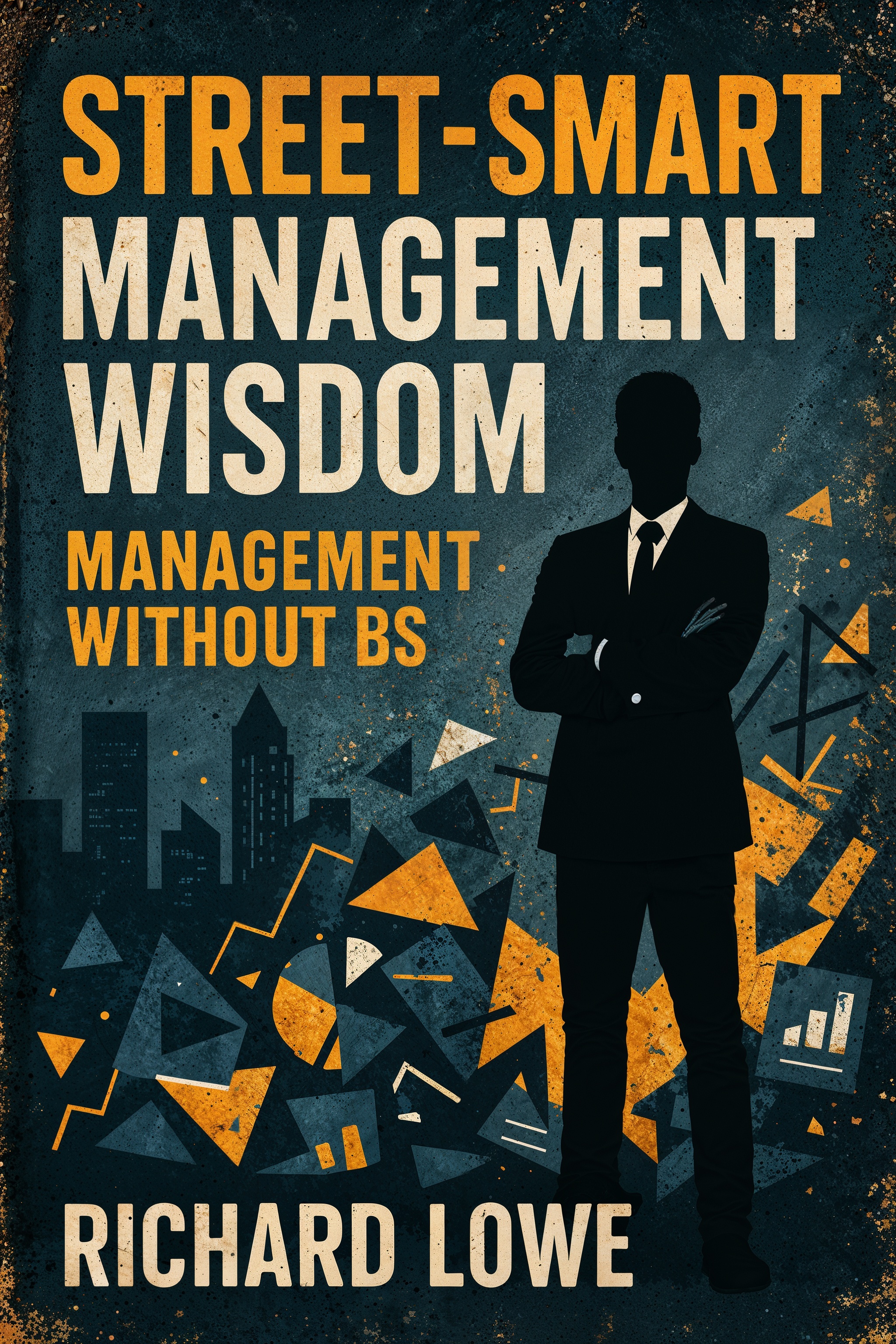
Leaders who want the human side of handling mistakes will find it in Street-Smart Management Wisdom, where three managers fail in ways you’ll recognize and work out what to do next.



