
In December 2005, I pointed an Olympus C-755 at the moon and tried to capture what I’d been staring at since I was eight years old. The camera was barely adequate for the job. The moon doesn’t cooperate with consumer cameras. It’s a bright object against a black sky, and the exposure math is unforgiving. I got the shot anyway, and something clicked that had nothing to do with the shutter button. Photographing the moon turned a lifelong fascination into a creative practice.  I’d been watching the moon since the Apollo 11 landing in 1969. That childhood obsession fed into science fiction, then into writing, and eventually into photography. But photographing the moon was different from reading about it or writing about it. Photography forced me to pay attention to things I’d been looking at without seeing: the way light hits the surface differently at each phase, the color shifts near the horizon, the quality of moonlight on landscapes versus direct sunlight. The camera made me a better observer, and better observation made me a better writer.
What does the moon teach a photographer?
The camera made me a better observer, and better observation made me a better writer.Share on X
The moon is among the most difficult subjects in amateur photography. It looks enormous to the eye and tiny through a lens. Handheld shots blur because the exposure time needed for detail fights against the brightness that blows out the surface. The atmosphere bends and distorts the image depending on how high the moon sits. Every technical problem the moon presents teaches you something about light, exposure, and patience that applies to every other subject you’ll ever shoot. I learned more about exposure from photographing the moon than from any tutorial. The moon is sunlit rock. In full sunlight, the correct exposure is roughly the same as shooting a sunlit landscape on Earth, and the “sunny 16” rule works on the lunar surface. Most people overexpose the moon because they let the camera meter the dark sky instead of the bright surface, and they end up with a featureless white disc. I learned to override the camera’s instincts and expose for the subject, not the background. That changed how I approached every photograph after that. Patience is the other lesson. The moon doesn’t wait for you. The window for the phase, the position relative to the horizon, and the atmospheric condition you want is narrow. You either show up prepared or you miss it. That discipline of preparation, timing, and accepting that you can’t control the conditions and have to work with what you get translates directly to every other kind of photography and, for that matter, to writing.
Watch: Moonrise and moonset 2, nrtsd
What Does the Moon Teach a Writer?
The moon’s phases work as a metaphor for the writing process so naturally that it almost feels too obvious.
I didn’t go looking for it. I noticed the pattern after years of watching both cycles play out at the same time. The new moon is the blank page. You know something is there but you can’t see it yet. The waxing phase is the first draft, more visible each day, gaining shape and definition, but not yet complete. The full moon is the finished draft, fully illuminated, every detail exposed. And the waning phase is revision, stripping away what doesn’t serve the work until you’re back to darkness, ready to start again. Beyond metaphor, the moon influenced the tone and atmosphere of my writing directly. Moonlight creates an emotional tone in fiction: uncertainty, revelation, transition, the boundary between what’s visible and what’s hidden. Writers have used moonlight scenes for centuries because moonlight shows you enough to recognize shapes but not enough to see clearly. That partial visibility is the emotional territory of the most interesting fiction.
I think a lot of writers skip this kind of looking. They describe moonlight out of other people’s books, silver and cold and pale, because they’ve never stood outside long enough to see what it does to a yard or a street. Readers can tell. A scene lit by borrowed description feels secondhand, and no amount of polish fixes that.
Fire Dancing Under the Blood Moon
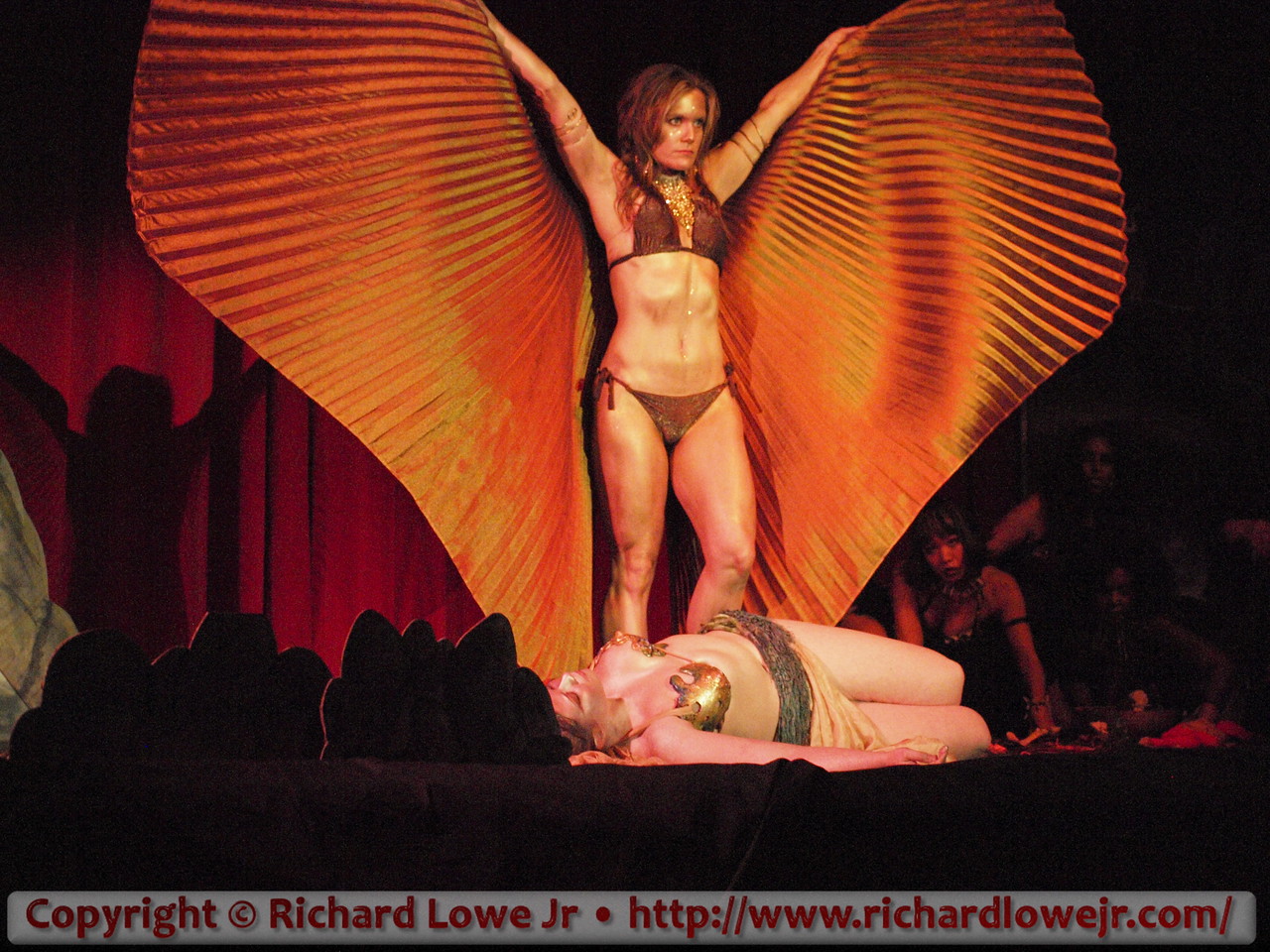
In 2011, I photographed the Blood Moon Regale in Sacramento, a fire dancing event held at the Brazilian Arts Center. Fire dancing had exploded in popularity after Burning Man brought it to a broader audience in the late 1990s, and Sacramento had developed several talented troupes. Amy Sigil led Unmata, one of the troupes performing that night. She’d been belly dancing for twelve years and fire dancing for seven. Her performances blended belly dance, hula, and hip-hop with fire manipulation: fire jump ropes, hula hoops, fire bowls, poi balls. The fire was structural. It changed the timing, the risk, and the audience’s relationship with the performance. 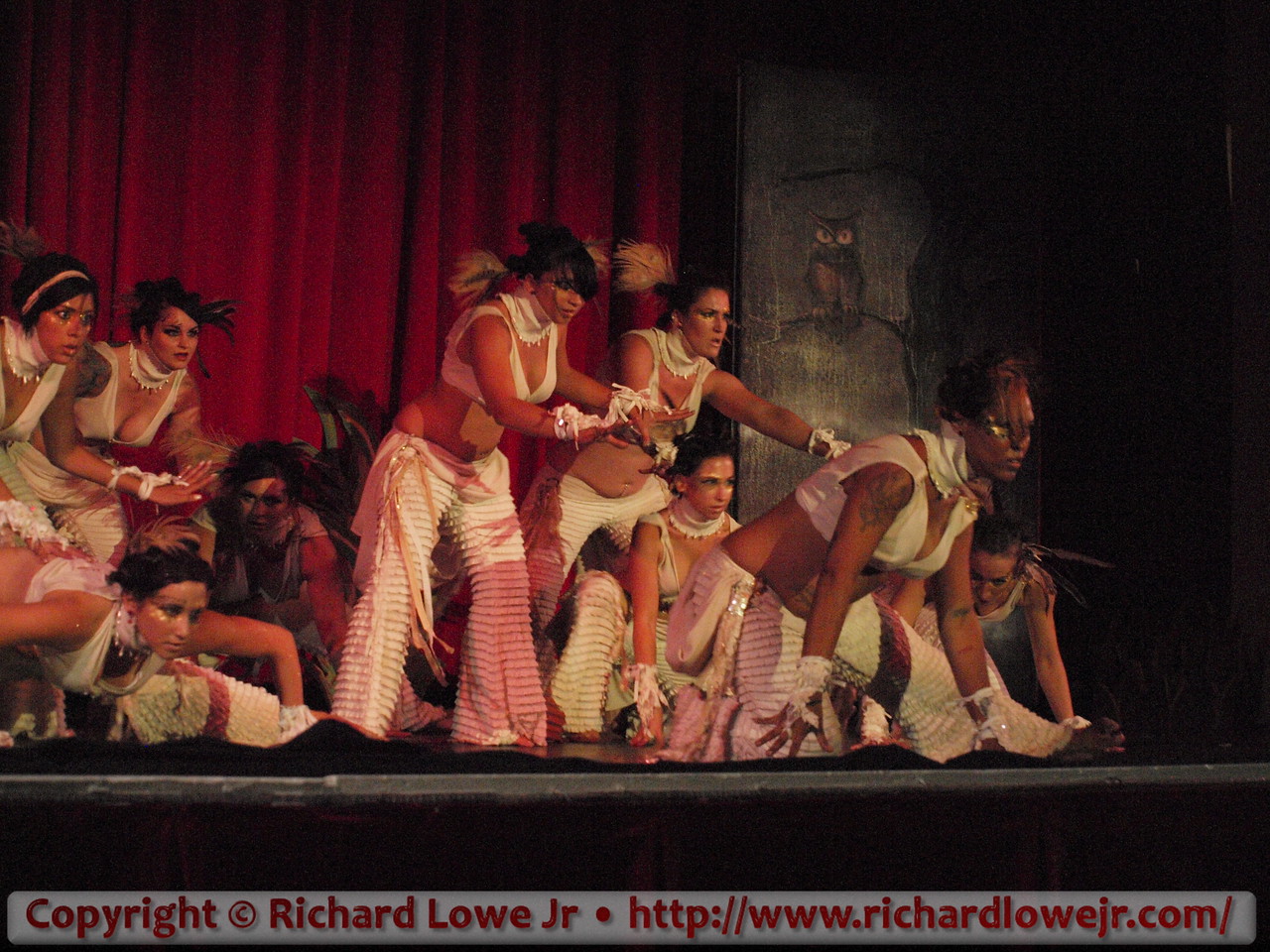
The Moon as a Constant
I’ve been watching the moon for over fifty-five years. I’ve photographed it with everything from that first Olympus to professional equipment. I’ve written about it, used it in fiction, and built scenes around what moonlight does to a landscape and to the people standing in it. What hasn’t changed is the fascination. The moon is the same object I stared at as a kid, the same one the Apollo astronauts walked on while I watched on a black and white television, the same one that hung over the Blood Moon Regale while fire dancers spun beneath it. It’s a constant in a way that very few things in life are, and it keeps teaching me things about light, timing, patience, and observation that make both my photography and my writing better. The next time the moon is full, go outside and look at it for five minutes without your phone. Just look. Notice what the light does to the ground, to the trees, to the shadows.
Notice how different it feels from daylight. Then try to describe what you saw. That exercise of observing closely and then translating observation into language is the foundation of both photography and writing. The moon has been offering that lesson for free every month since before humans existed. Most people don’t take it.



