TL;DR
5/10. Not part of the Writers Helping Writers series despite the title, and it cuts against mainstream craft advice. That favors the near-invisible said over fancy tags. Some of its suggestions are outright errors. A spice rack at best: usable in small doses for beginners, easy to misuse, shipped without the warning it most needs.
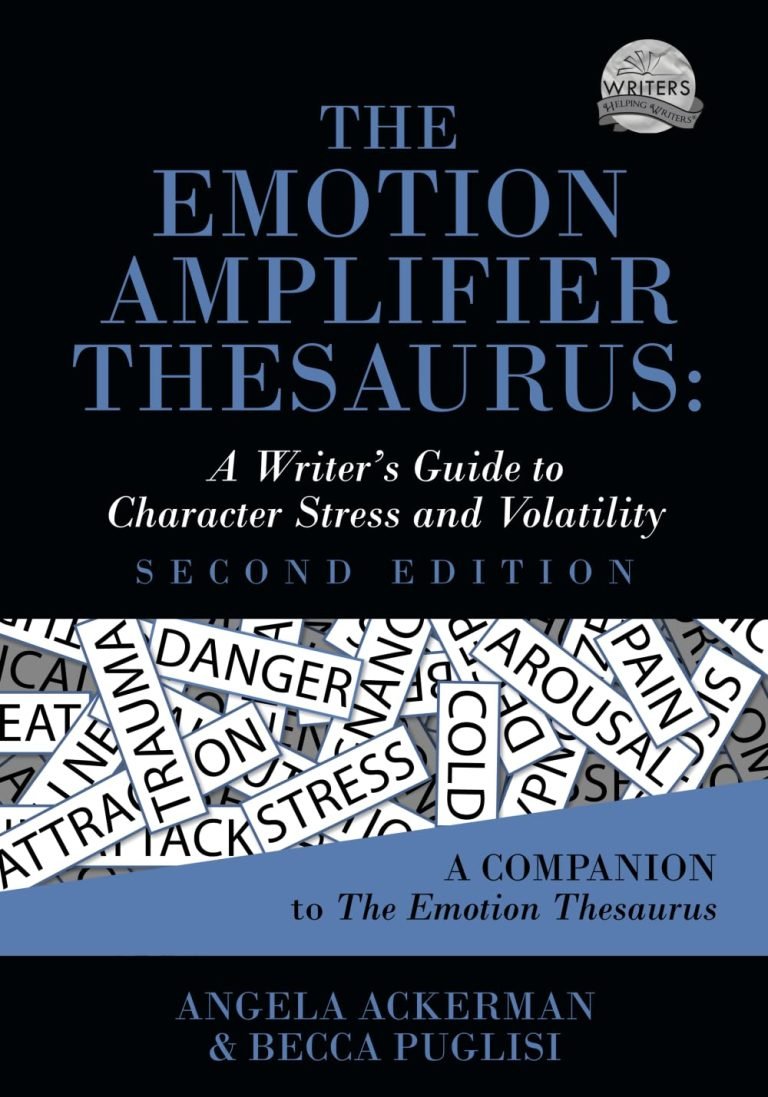
Before anything else, a clarification, because the title invites a mistake. The Dialogue Thesaurus by Dahlia Evans isn’t part of the Writers Helping Writers series. It’s a separate, much smaller book by a different author, with a narrower aim and none of the craft depth of the Ackerman and Puglisi volumes it sits beside on the shelf. An honest review has to start by separating it from the company it keeps, because a reader who loved the Emotion Thesaurus will pick this up expecting the same caliber and won’t find it.
It’s a list of expressive alternatives to plain dialogue tags, organized by the tone or mood they suggest. Where you might write said, the book gives a menu of more colorful options sorted by the feeling behind the line, the angry tags, the fearful tags, the affectionate ones. For a beginner who knows only said and asked, it widens the vocabulary quickly.
The problem with the premise
Here I have to cut against the book itself, because recommending it without the caveat would do a reader harm. Most craft authorities, Stephen King loudest among them, argue that said is nearly invisible, that the reader’s eye slides over it the way it slides over punctuation, and that it’s almost always the right choice. The moment you reach for expostulated, chortled, or hissed, you pull the reader out of the conversation and up to the surface, where they notice the writing instead of the scene.
A thesaurus of dialogue tags can actively encourage the exact habit that experienced editors spend years breaking in their authors.
There’s a second problem the book doesn’t flag: many of its alternatives describe things you can’t do while speaking. You can’t smile a sentence or laugh a paragraph. A line tagged he grinned is, strictly, nonsense, and editors will mark it. The book hands beginners these constructions without the warning that half of them are traps.
Keep reading
Writing good dialogue: psychology first, technique second: the deeper skill: dialogue that reveals character, where the tag matters far less than the line.
If you use it, use it sparingly
The right way to use this book is as a spice rack.
The occasional expressive tag, in the right spot, justifies itself, a whispered in a tense scene, a snapped where the snap matters. A page full of them doesn’t. The test before reaching for a fancy tag is whether the dialogue and the surrounding action already convey the tone, and they usually do, in which case the tag is just clutter sitting on top of work already done.
Strong dialogue leans on said and trusts the words to do the lifting.
Is The Dialogue Thesaurus worth reading?
It’s a usable reference for a narrow, limited need, and a true beginner building basic vocabulary may get something from it. But it ships without the warning it most needs, that the strongest dialogue rarely wants these tags at all, and that some of its suggestions are outright errors. I can’t rate it alongside the genuine craft references on this shelf, and I’d steer a developing writer toward learning why said works before reaching for a book that teaches them to avoid it.
A minor tool, easy to misuse, useful only in small doses and with a skeptical eye.
Explore the hub
The Writing Hub: dialogue, character, and the rest of the craft, in one place.
Frequently Asked Questions
Other Books From – Writing and Language