Get Caught Reading Month: Make Your Reading Visible

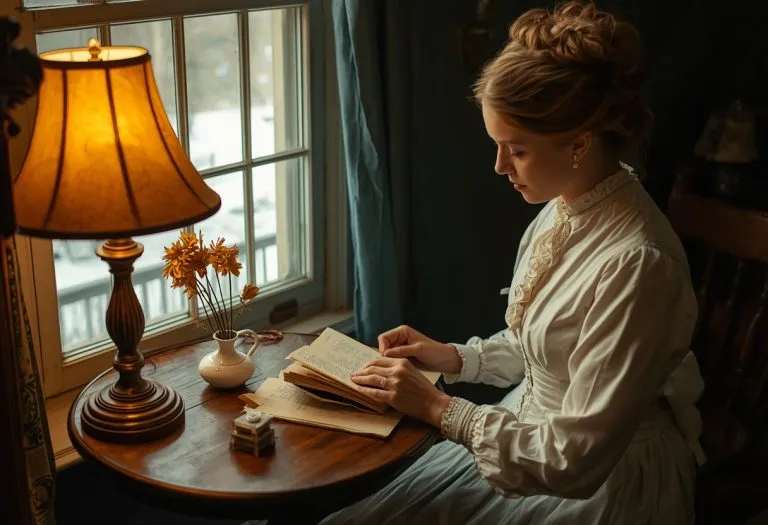
TL;DR: Get Caught Reading Month is May, launched in 1999 by the Association of American Publishers. The whole idea is simple: let people see you reading. Reading has become a private, invisible act, and making it visible inspires others to do it too. For writers, there is a bonus lesson here about being seen, because […]
Jules Verne Day: The Father of Science Fiction, Reimagined From the Inside

TL;DR: Jules Verne was born February 8, 1828, and he is widely called the father of science fiction. He imagined submarines and space travel before either existed. He is also the second most translated author in history, behind only Agatha Christie. I love Verne enough that I went back and reimagined two of his classics […]
Robert Heinlein Day: The Dean of Science Fiction

TL;DR: Robert Heinlein was born July 7, 1907. He is one of the Big Three of science fiction, alongside Asimov and Clarke, and he is often called the dean of the genre. He wrote Stranger in a Strange Land, Starship Troopers, and The Moon Is a Harsh Mistress. He gave the language the word “grok.” […]
Arthur C. Clarke Day: The Writer Who Invented the Satellite

TL;DR: Arthur C. Clarke was born December 16, 1917. He is one of the Big Three of science fiction, the writer behind 2001: A Space Odyssey, Childhood’s End, and Rendezvous with Rama. He also did something almost no other novelist has done: he invented a real technology. In 1945 he described the communications satellite. Here […]
H.G. Wells Day: The Other Father of Science Fiction

TL;DR: H.G. Wells was born September 21, 1866. With Jules Verne, he is called the father of science fiction, but he founded the opposite half of the genre. Where Verne loved the machine, Wells used the impossible to ask hard questions about people and society. He wrote The Time Machine, The War of the Worlds, […]
National Day on Writing: Writing Is Something You Do, Not Something You Discuss

TL;DR: National Day on Writing is October 20, created by the National Council of Teachers of English to celebrate why and how people write. The hashtag is #WhyIWrite. My answer is simple. I write because it is what I do, around 350 days a year. Writing is not something to think about or discuss. It […]
Presidents’ Day

Presidents’ Day is the third Monday in February. The presidents we remember could write, and the words outlasted the terms. Why it still matters.
Columbus Day

Columbus Day is the second Monday in October. An honest look at the Columbian Exchange, the collision of two worlds, and a book that explains it.
Martin Luther King Jr. Day

Martin Luther King Jr. Day is the third Monday in January. The man behind the holiday was a writer first, and his words are why we still listen.
New Year’s Day

New Year’s Day is January 1. A writer’s take on the fresh start, why resolutions usually fail, and how to actually use the blank page a new year offers.
National Short Film Day

National Short Film Day is December 21. Why short films matter, what the form teaches about compression, and why writers should study storytelling in miniature.
National Cinema Day

National Cinema Day is a Saturday in late August with a few-dollar tickets nationwide. What the day is, why theaters created it, and how to make the most of it.
National Film Day

National Film Day is March 30. Why film matters as an art form, what separates great movies from product, and what writers can learn from the best films.
National Popcorn Day

National Popcorn Day is January 19. The history of movie popcorn, why it is tied to film forever, and the revival theater that made it special.
Movie Theatre Day

Movie Theatre Day is April 23. The honest case for the movie theater, why streaming is killing it, and what still makes the big screen worth the ticket.
Labor Day

Labor Day is the first Monday in September. An honest take on the holiday and the writing angle in it: writing is real labor, most of it invisible.
Thanksgiving

Thanksgiving is the fourth Thursday in November. The family stories told over dinner vanish if no one writes them down. Why this is the day to start.
New Year’s Eve

New Year’s Eve is December 31. Why the backward look matters more than the countdown, and how a writer should close out a year before the new one starts.
Valentine’s Day

Valentine’s Day is February 14. Why the love letter is a lost art, why writing about love is so hard, and how to say it in your own words instead of a card’s.
St. Patrick’s Day

St. Patrick’s Day is March 17. Beyond the green beer, it celebrates a great storytelling culture. What writers can learn from the Irish oral tradition.