Latest
Billions for AI, Pennies for the Plumbing: AI Companies Should Pay to Keep PHP AlivePHP2Shell: AI Found a 22-Year-Old Crack Under Your Website in Two DaysPetrov Day: The Officer Who Didn’t Believe the ComputerKindle Unlimited Is Now Kindle+. AI Audiobooks Just Joined the BuffetMo Gawdat Says the AI Dystopia Starts in 2027. Read the List, Skip the DatesThe Society of Authors Signed an Ethical AI Charter, Then Ran From It in Eight DaysChina Is Using Bots to Fan the Data Center Backlash. The Backlash Is Still Real.When to Quit Writing a Book: I’ve Abandoned Dozens, and I’d Do It AgainGetty Images Filed for Bankruptcy. Can You Prove You Licensed Your Book’s Images?Fluff Words: Cut Them From Your Prose, Keep Them in Your DialogueWhere Can Writers Learn Storytelling From Movies? Richard Lowe Publishes 1,226 Film and TV Reviews With Writing Craft NotesWhere Are the Independent Bookstores and Public Libraries Worth Visiting in Tampa Bay? Author Richard Lowe Profiles 44 of ThemWhat Should You Know Before Hiring a Ghostwriter? The Writing King Publishes 57 New Answers, Including What to Do When It Goes WrongWhere Can You Hear Founders and Executives Tell Their Own Stories? Richard Lowe’s Leaders and Their Stories Publishes Every Unscripted Interview With a Full TranscriptAuthor Richard Lowe Publishes Eight Volumes of Enemies of You, a Researched Series on the Forces Working Against Ordinary AmericansThe Jackal (1997) ReviewThe Day of the Jackal (2024) ReviewYour First Novel Is an Apprentice Piece: What Beta Readers and Editors Can’t FixWhen the Cloud Gets Bombed: What the AWS Data Center Strikes Teach About BackupsHuman-Written Book Labels Are Gatekeeping With a FeeThe Enshittification of Microsoft Office: Why I Switched to a Free CloneGlobal Encryption Day: The Padlock Every Writer Depends OnWriting Your Worst Moments in a Memoir: Show the Evidence, Skip the VerdictHow to Register a Copyright for Your Book (and What Doesn’t Count)Your AI Chats Aren’t Private: Deleted ChatGPT Logs in CourtThe Board Seat Scam: A 419 Letter in a Business SuitI Joined the Science Fiction Book Club 30 TimesCitations in a Memoir: Endnotes, Footnotes and Fair UseThe Stores That Still Care: Publix, Walmart, Aldi, Best Buy and the RestThe Grocery Store Plan: Why Every Store Starts With FlowersWinnie-the-Pooh’s 100th Birthday: A Century in the Hundred Acre WoodFree With a Fill-Up: How America Stopped Giving Things AwayAI’s Black Box Is Getting a Window. Somebody Still Has to Look Through It“It Stars C. Thomas Howell. No.” Why AI Gets Stuck in a LoopShould You Query or Self-Publish Your Memoir If You’re Not Famous?Judge the Writing, Not the Tool: What the AI Pile-Ons Get WrongThiago Ferreira: Thinkers, Not DoersYana Semova: Let AI Do the AdminLisa Hamilton-Smith: Unstoppable, AI AssistedRobert E. Howard Day: The Texan Who Built ConanElmore Leonard Day: Leave Out the Part Readers SkipRoald Dahl Day: Six Pencils and a Grudge Against Grown-UpsEncourage a Young Writer Day: The Adult Who Read the PagesStephen King Day: The Daily Two ThousandZora Neale Hurston Day: The Ear She TrainedTell a Fairy Tale Day: The Stories Everybody EditedAlice’s Day: The Story Told on a Rowing BoatSuperman Day: The $130 Contract Behind the CapeNational Podcast Day: The Interview Is the Raw MaterialRaymond Chandler Day: The Novelist Who Started at Fifty
The Writing King Your Ethical Ghostwriter. Your Story, Done Right.

Petrov Day: The Officer Who Didn’t Believe the Computer

TL;DR: On September 26, 1983, Soviet lieutenant colonel Stanislav Petrov was the duty officer in an early-warning bunker near Moscow when the system reported five American nuclear missiles on the way. He decided it was a false alarm and reported a malfunction instead of an attack. He was right. Sunlight bouncing off high clouds had fooled a satellite. September 26 is now marked as Petrov Day, and in a world wiring AI into everything, his story matters more every year.

In the early hours of September 26, 1983, a computer told a Soviet officer that the United States had launched a nuclear missile at his country. Then it told him four more were coming. A big backlit red screen in front of him said “launch,” and then the alerts changed to “missile strike.”

Stanislav Petrov was the man in the chair. His job was to pass the warning up the line. He sat there and thought about it.

He called it in as a system malfunction. “Twenty-three minutes later I realized that nothing had happened,” he said years later. Nothing ever did. The machine had seen sunlight on a cloud.

September 26 has a name because of him. A lot of people call it Petrov Day, and I think he deserves a day more than most of the people who have one. He never held power or wrote a famous book. He refused to believe a computer when the computer was wrong, and the rest of us are still here because of it.
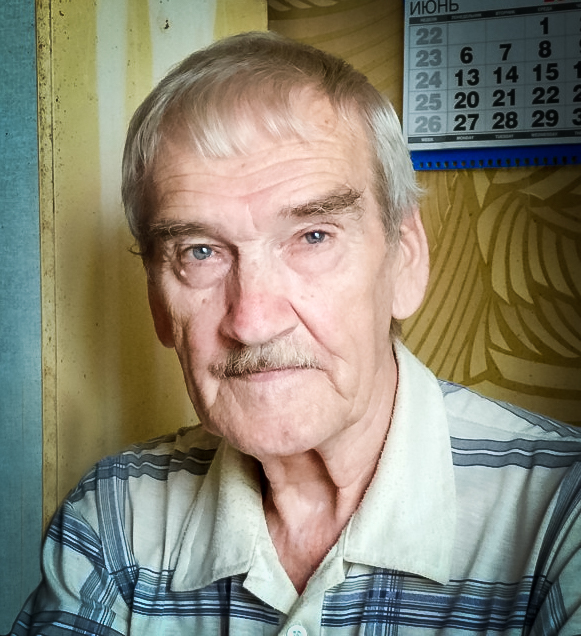
Portrait of Stanislav Petrov in 2016, an older man with gray hair and a mustache in a plaid shirt
Stanislav Petrov in 2016. Photo by Queery-54, Wikimedia Commons, licensed under CC BY-SA 4.0.

Who was Stanislav Petrov?

He was born on September 7, 1939, near Vladivostok. He graduated from the Kiev Military Aviation Engineering Academy in 1972 and went into the Soviet Air Defence Forces, where he rose to lieutenant colonel.

By 1983 he was working at Serpukhov-15, a command bunker south of Moscow that watched the Oko early-warning satellites. Those satellites existed for one reason: to spot American missiles the moment they left the ground. Petrov knew the system well. He also didn’t fully trust it, because it was new.

He wasn’t a general or a politician. He was an engineer and an officer on a night shift. I like that part of the story best.
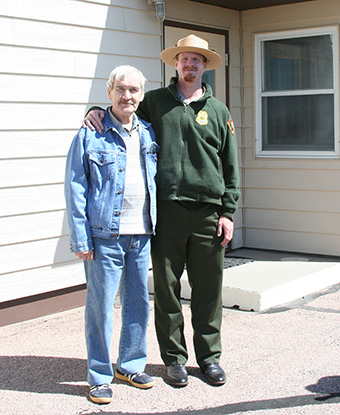
Stanislav Petrov standing with a National Park Service ranger in front of the Delta-01 Minuteman launch control facility in South Dakota, May 2007
Stanislav Petrov and park ranger Chris Wilkinson in front of Delta-01, a Minuteman missile launch control facility, in May 2007. Photo: NPS/Minuteman Missile National Historic Site (public domain).

The photo above shows how strange history can get. In May 2007, while he was in the United States for a documentary, Petrov spent two days at Minuteman Missile National Historic Site in South Dakota. He stood in front of a launch control center for the same kind of missiles his screen said were coming in 1983.

What happened on September 26, 1983, the night of the Petrov false alarm?

It came at the worst possible time. Three weeks earlier, on September 1, the Soviets had shot down Korean Air Lines Flight 007, killing all 269 people aboard, including a sitting U.S. congressman. Both sides were scared, and each was ready to believe the worst about the other.

Shortly after midnight Moscow time, the Oko system reported one intercontinental ballistic missile launched from the United States. Then it reported four more. “The siren howled, but I just sat there for a few seconds,” Petrov said.

Soviet procedure called for the warning to go straight up the chain. If it had, the country’s leaders would have had a couple of minutes to decide whether to launch their own missiles before the American ones arrived. Nobody makes a good decision in a couple of minutes.

The Petrov false alarm, 1983 to 2018The Petrov false alarm, 1983 to 2018: Sep 1, 1983: Soviets shoot down KAL 007; Sep 26, after midnight: Oko reports one U.S. missile launch; Minutes later: Four more; screen flips to missile strike; The decision: Petrov reports a system malfunction; 23 minutes on: Nothing has hit. He was right.; Cause: Sunlight on high clouds fooled the satellite; Nov 1983: NATO exercise Able Archer 83; 1998: Gen. Votintsev makes the story public; 2004, 2013: World Citizen Award, Dresden Peace Prize; May 19, 2017: Petrov dies near Moscow at 77; Sep 26, 2018: Future of Life Award, posthumous.The night the computer said launchStanislav Petrov and the 1983 Soviet false alarm, from the KAL 007 shootdown to the awards.Sep 1, 1983Soviets shoot down KAL 007Sep 26, after midnightOko reports one U.S. missile launchMinutes laterFour more; screen flips to missile strikeThe decisionPetrov reports a system malfunction23 minutes onNothing has hit. He was right.CauseSunlight on high clouds fooled the satelliteNov 1983NATO exercise Able Archer 831998Gen. Votintsev makes the story public2004, 2013World Citizen Award, Dresden Peace PrizeMay 19, 2017Petrov dies near Moscow at 77Sep 26, 2018Future of Life Award, posthumousthewritingking.com
The Petrov false alarm, 1983 to 2018The Petrov false alarm, 1983 to 2018: Sep 1, 1983: Soviets shoot down KAL 007; Sep 26, after midnight: Oko reports one U.S. missile launch; Minutes later: Four more; screen flips to missile strike; The decision: Petrov reports a system malfunction; 23 minutes on: Nothing has hit. He was right.; Cause: Sunlight on high clouds fooled the satellite; Nov 1983: NATO exercise Able Archer 83; 1998: Gen. Votintsev makes the story public; 2004, 2013: World Citizen Award, Dresden Peace Prize; May 19, 2017: Petrov dies near Moscow at 77; Sep 26, 2018: Future of Life Award, posthumous.The night the computersaid launchSep 1, 1983Soviets shoot down KAL 007Sep 26, after midnightOko reports one U.S. missile launchMinutes laterFour more; screen flips to missile strikeThe decisionPetrov reports a system malfunction23 minutes onNothing has hit. He was right.CauseSunlight on high clouds fooled the satelliteNov 1983NATO exercise Able Archer 831998Gen. Votintsev makes the story public2004, 2013World Citizen Award, Dresden Peace PrizeMay 19, 2017Petrov dies near Moscow at 77Sep 26, 2018Future of Life Award, posthumousthewritingking.com

The Petrov false alarm, from the KAL 007 shootdown in September 1983 to the posthumous award in 2018.

Petrov didn’t buy it. A real American first strike, he’d been trained to expect, would come with hundreds of missiles at once, built to wipe out Soviet forces before they could answer. Five missiles made no sense. The alert had also blown through the system’s verification layers too fast, and the ground radar showed nothing.

“If there had been a real strike, then I would already know about it,” he said. He reported a malfunction. Then he waited, by his own description, like a man “sitting on a hot frying pan.” Twenty-three minutes went by, and no missiles arrived.

Why did the Soviet Oko satellite report a missile launch?

A machine saw sunlight on a cloud and called it a war.

Because of the sun. The investigation found a rare lineup of sunlight on high-altitude clouds and the satellites’ Molniya orbits. From where the satellite sat, the glare off those clouds over the American missile fields looked like rocket exhaust. The Soviets later fixed the problem by cross-checking with a geostationary satellite.

A machine saw sunlight on a cloud and called it a war. It wasn’t broken in the usual sense. It did exactly what it was built to do. It saw a bright flash where missiles would be, and it had no way of knowing about clouds.

Every system that watches the world and sounds an alarm has a version of this problem. The sensor sees something, the software matches it to a pattern, and the screen turns red. Whether anybody checks before acting is the whole ballgame.

Why would American missiles have flown over the North Pole to reach Moscow?

Because the Earth is round, and the shortest route between two points on a globe is a great circle. Flat maps hide it. The American Minuteman fields were in Montana, North Dakota, South Dakota, Wyoming and Missouri, and the straightest line from any of them to Moscow runs north over Canada, Greenland and the Arctic Ocean before dropping into Russia.

Why the missiles would have come over the ArcticMap centered on the North Pole. The shortest paths from the United States Minuteman missile fields in Montana, North Dakota, South Dakota, Wyoming and Missouri to Moscow run north over Canada, Greenland and the Arctic Ocean, then down into Russia. The Serpukhov-15 early-warning bunker where Stanislav Petrov was on duty sits just south of Moscow.Why the missiles would have come over the ArcticThe shortest path from the U.S. missile fields to Moscow runs over the Arctic. Map centered on the pole.30°N60°NNorth PoleMoscowSerpukhov-15Petrov's bunkerU.S. Minuteman fieldsMontana, the Dakotas, Wyoming, MissouriArctic OceanRed lines: shortest (great-circle) routes from each Minuteman base to Moscow.thewritingking.comBase map: Natural Earth
Why the missiles would have come over the ArcticMap centered on the North Pole. The shortest paths from the United States Minuteman missile fields in Montana, North Dakota, South Dakota, Wyoming and Missouri to Moscow run north over Canada, Greenland and the Arctic Ocean, then down into Russia. The Serpukhov-15 early-warning bunker where Stanislav Petrov was on duty sits just south of Moscow.Why the missiles would havecome over the ArcticNorth PoleMoscowU.S. missile fieldsRed lines: shortest routes from eachMinuteman base to Moscow.Green diamond: Serpukhov-15,Petrov's bunker near Moscow.thewritingking.comBase map: Natural Earth

The shortest routes from the U.S. Minuteman fields to Moscow cross the Arctic.

That geography shaped the whole Cold War. Both sides pointed their radars at the Arctic, because the missiles would come from there. Radar has a limit, though. It can’t see a missile until the missile climbs over the horizon. Those lost minutes are time a country under attack doesn’t have.

Satellites like Oko were supposed to close that gap by catching the launch itself. On the night of September 26, the satellite raised the alarm and the radar never confirmed it. Petrov trusted the silence from the radar over the noise from the satellite.

What happened to Stanislav Petrov after the 1983 false alarm?

Not much good. His superiors praised him at first. Then the investigation got going, and an incident like that embarrassed a lot of important people, including the scientists who built the system. Petrov ended up reprimanded over paperwork, on the grounds that he hadn’t recorded the incident properly in his log.

He got no reward. He was moved to a less sensitive post, took early retirement and suffered a nervous breakdown. His wife, Raisa, died of cancer in 1997. He lived in obscurity outside Moscow, and almost nobody outside the Soviet military knew what he’d done.

That changed in 1998, when General Yury Votintsev, the former commander of the Soviet missile defense units, made the story public. Recognition came slowly after that. The Association of World Citizens gave Petrov its World Citizen Award in 2004, and he received the Dresden Peace Prize in 2013. A documentary about him, The Man Who Saved the World, premiered at the Woodstock Film Festival in 2014.

Petrov died of pneumonia on May 19, 2017, in Fryazino, near Moscow. The world didn’t notice for four months. In September, a German activist named Karl Schumacher tried to call him to wish him a happy birthday and reached his son, Dmitri, who told him his father had died in May.

A year later, on September 26, 2018, the Future of Life Institute gave Petrov its Future of Life Award. His daughter, Elena, collected it.

He never accepted the hero label. “I was simply doing my job, and I was the right person at the right time, that’s all,” he said. I don’t buy the modesty, and I respect him more for it.

What does Stanislav Petrov teach us about trusting AI and automated systems?

Everything that matters, as far as I’m concerned.

We’re wiring AI into banking, medicine, power grids and weapons, and the pitch is always speed. The machine sees more, reacts faster and never gets tired. All true. It also doesn’t know when it’s wrong. AI isn’t curious and it isn’t sentient. It has no gut feeling that five missiles is a strange way to start a war. It matches a pattern and reports the match.

Stanislav Petrov’s computer said launch. He said malfunction, and he was right. Every automated system needs a human with the authority to say no.
Share on X

The danger I worry about isn’t a Terminator deciding to kill us. I’ve said before that a vague fear of rogue AI makes for bad planning, and I wrote about it in AI companies preparing for a catastrophe they won’t name. What scares me is a tired person at 2 in the morning who stopped questioning the screen years ago. Petrov questioned it. He looked at a red alarm, did the arithmetic and trusted his own judgment.

That’s the habit we’re losing. When a tool is right ninety-nine times, people stop checking the hundredth. I wrote a whole book about that slow loss, and the takeover stories pull attention from it, as I argued in the AI takeover narratives and today’s tools.

Hollywood was thinking about the same thing that year. WarGames came out in June 1983, three months before Petrov’s night, with a NORAD computer that couldn’t tell a game from a war. The movie got the fear exactly right. The real version ended better because a human stayed in the loop.

I have also reviewed these films

How do people observe Petrov Day on September 26?

In small groups, mostly. People in the rationalist and effective altruism communities hold small Petrov Day gatherings with candles and readings about how close things came. It’s a small ritual for a small group of people, which suits a man who never wanted the attention.
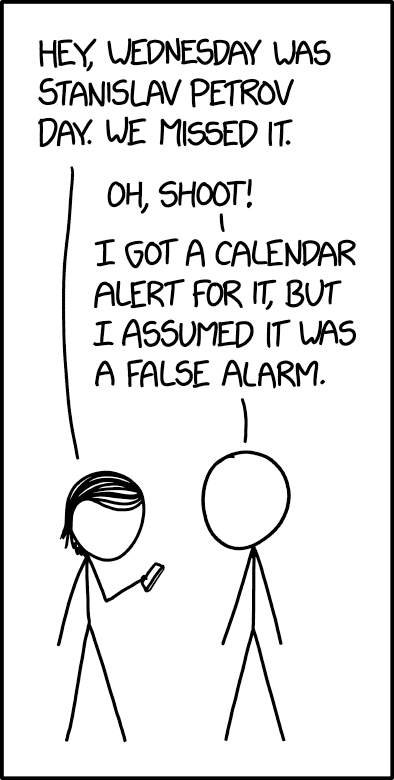
xkcd comic: one figure says Wednesday was Stanislav Petrov Day and they missed it. The other says he got a calendar alert for it but assumed it was a false alarm.
“Stanislav Petrov Day” by Randall Munroe, xkcd #2052. Licensed under CC BY-NC 2.5.

You don’t need a ceremony. Tell somebody the story. Most people have never heard of Stanislav Petrov, and they should. Watch the documentary. Read about the fall of 1983, when the KAL 007 shootdown, the Petrov alarm and the NATO exercise Able Archer 83 all landed within about ten weeks.

If you work with automated systems, and almost everybody does now, ask one question on September 26: who has the authority to overrule the machine, and would they use it?

My take

Stanislav Petrov belongs on the calendar more than most people who are already there. A computer screamed that a nuclear war had started, and he did the arithmetic, waited and refused to pass along a lie. His bosses reprimanded him over a logbook. Every company putting AI in charge of anything should study him. Keep a person in the loop, and give that person the power to say no.

Five dots on a red screen

In Shield of Ashes, I wrote about a world that didn’t end with a single decision. It ended with a thousand decisions, each one defensible at the time. September 26, 1983, ran the other way. One man made one decision that would have been very hard to defend if he’d been wrong, and he made it alone with a siren howling.

Five dots on a red screen, and a man who sat there for a few seconds and thought. The holiday needs nothing more. There are more days worth marking on the Literary Holidays Calendar, and if you’re observing this one, raise a glass to the duty officer who didn’t believe the machine.
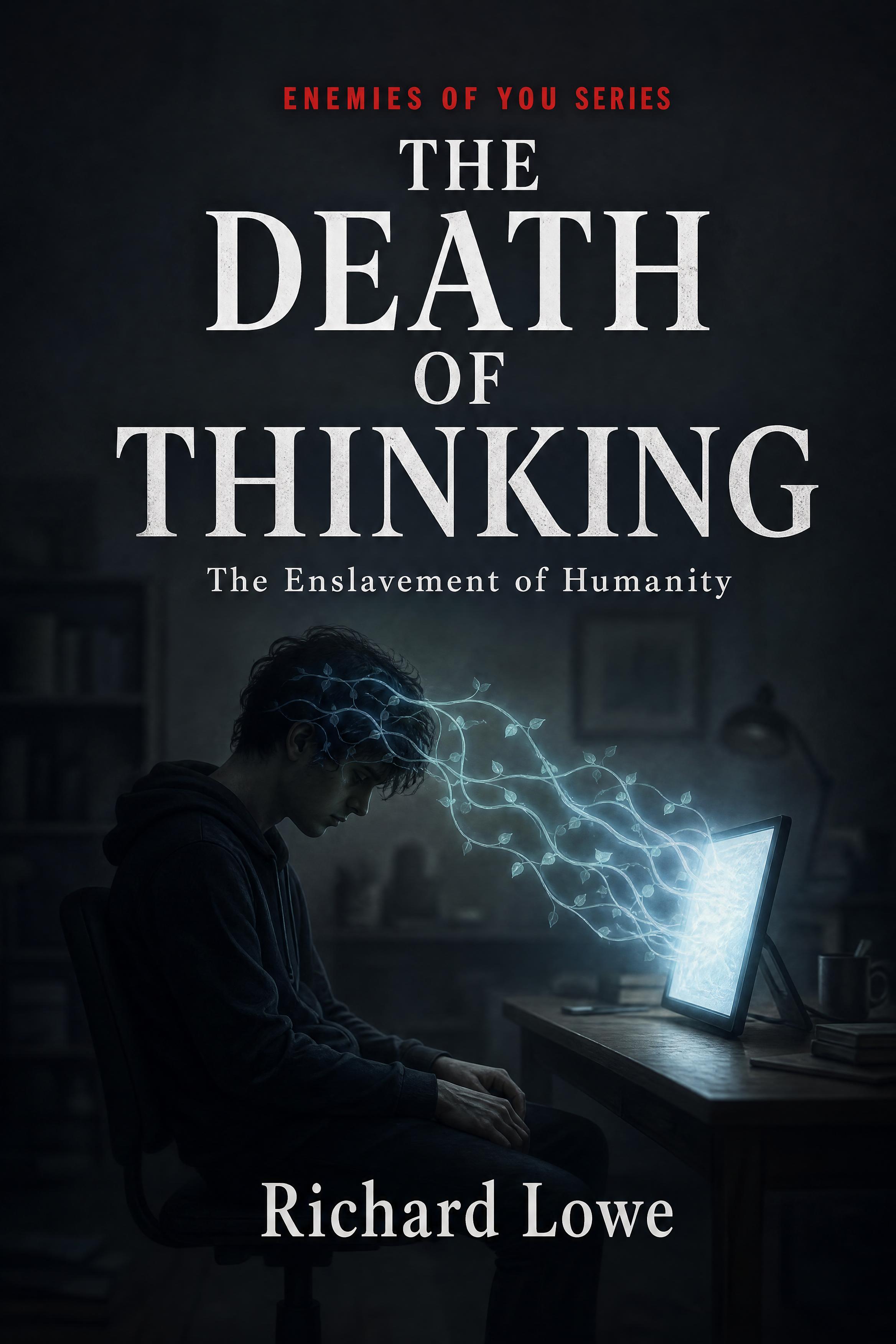
From the author
The Death of Thinking by Richard Lowe

The Death of Thinking
Petrov kept his judgment when a machine told him what to believe. My book covers how the rest of us lose ours, one reasonable shortcut at a time, and what it costs.
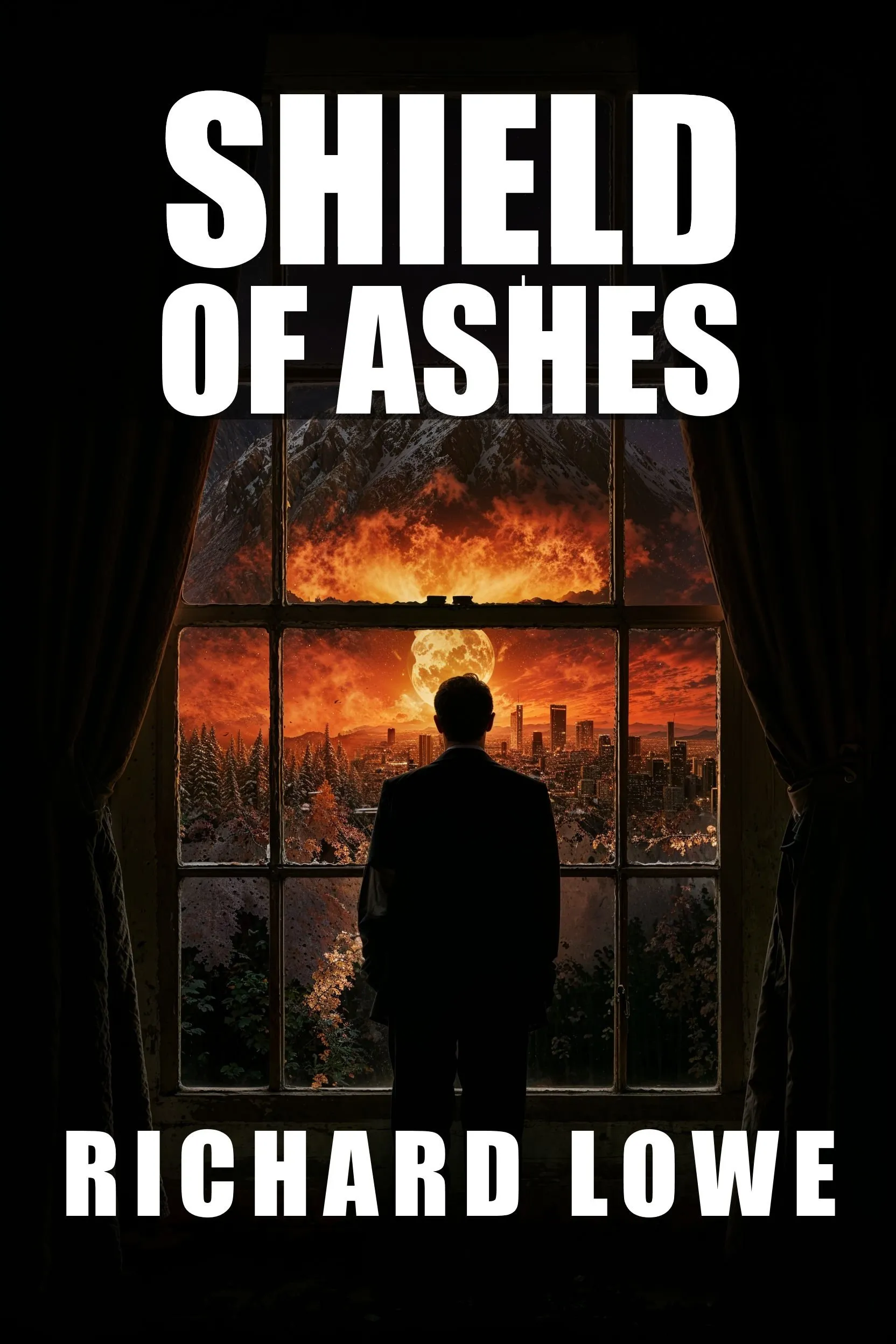
Shield of Ashes by Richard Lowe

Shield of Ashes
My novel of a third world war in 2029, with the nuclear doctrine and weapons grounded in the real ones. It shows what happens when nobody in the chain says no.

Frequently Asked Questions

Who was Stanislav Petrov?
A lieutenant colonel in the Soviet Air Defence Forces, born near Vladivostok in 1939. On September 26, 1983, he was the duty officer at the Serpukhov-15 early-warning bunker when the system falsely reported an American missile attack. He judged it a malfunction, and his decision likely prevented a retaliatory nuclear strike.
When is Petrov Day?
September 26, the anniversary of the 1983 false alarm. It isn’t an official holiday anywhere. People in the rationalist and effective altruism communities mark it with small gatherings and readings about how close the world came to nuclear war.
What caused the 1983 Soviet nuclear false alarm?
Sunlight reflecting off high-altitude clouds. A rare alignment of the sun, the clouds and the Oko satellites’ Molniya orbits made the glare look like missile launches from the American Minuteman fields. The Soviets later added cross-checks with a geostationary satellite.
Why did Stanislav Petrov think the missile warning was false?
He’d been trained to expect an American first strike to use hundreds of missiles, and the system reported only five. The warning system was new and he didn’t fully trust it, the alert had moved through its checks suspiciously fast, and ground radar showed no missiles.
Was Stanislav Petrov punished for the false alarm?
He was reprimanded over his paperwork, officially for not recording the incident properly in his log, and he received no reward. Petrov believed the episode embarrassed his superiors and the scientists who built the system. He was moved to a less sensitive post and took early retirement.
How did the world find out about Stanislav Petrov?
General Yury Votintsev, the former commander of the Soviet missile defense units, revealed the story in 1998. Awards followed, including the World Citizen Award in 2004, the Dresden Peace Prize in 2013 and the posthumous Future of Life Award in 2018.
Is there a documentary about Stanislav Petrov?
Yes. The Man Who Saved the World, directed by Peter Anthony, premiered at the Woodstock Film Festival in October 2014. Petrov traveled to the United States for the film, and in May 2007 he visited Minuteman Missile National Historic Site in South Dakota.

0 comments

No comments yet. Yours can be the first.

Was this useful?

Leave a comment