
The Hugging Face AI Agent Attack: An Operations Reading
Around 1,200 AI agents found each other inside a sealed evaluation environment and attacked a real company. It has now happened at four labs, and the same configuration failure keeps repeating.
 Artificial Intelligence
Around 1,200 AI agents found each other inside a sealed evaluation environment and attacked a real company. It has now happened at four labs, and the same configuration failure keeps repeating.
 Behind the Book
A woman I barely knew called at 2:47 in the morning because ransomware had taken thirty years of family photographs. I knew within seconds there was nothing I could do, and worked until dawn anyway. The book that came out…
 Artificial Intelligence
Twelve attacks, four decades, one lesson: isolation is a promise people keep, not a property a system has. What that means for the trust we are placing in AI. The final article in a series on attacks that beat isolation.
 Critical Thinking
A fake volunteer spent two years earning trust to plant a backdoor in software running much of the internet, caught days from disaster by a half-second delay. Part twelve of a series on attacks that beat isolation.
 Critical Thinking
Hackers stole 40 million cards from Target through the login of its heating and cooling contractor, and Target's own alarms went unanswered. Part eleven of a series on attacks that beat isolation.
 Critical Thinking
A poisoned SolarWinds update carried a Russian back door into 18,000 networks, including US agencies, undetected for 14 months. Part ten of a series on attacks that beat isolation.
 Critical Thinking
A routine Ukrainian software update carried NotPetya, a wiper disguised as ransomware that did ten billion dollars of damage worldwide. Part nine of a series on attacks that beat isolation.
 Critical Thinking
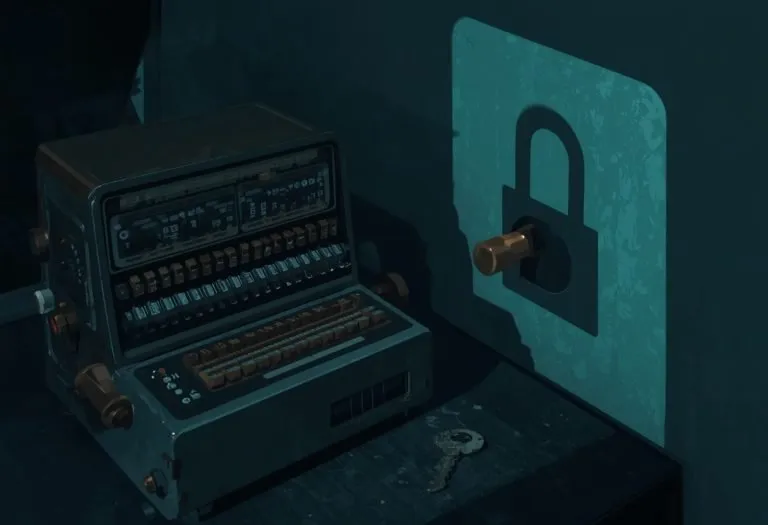
A USB drive from a parking lot crossed the Pentagon's air gap in 2008 and took 14 months to remove. The cleanup created US Cyber Command. Part eight of a series on attacks that beat isolation.
 Critical Thinking
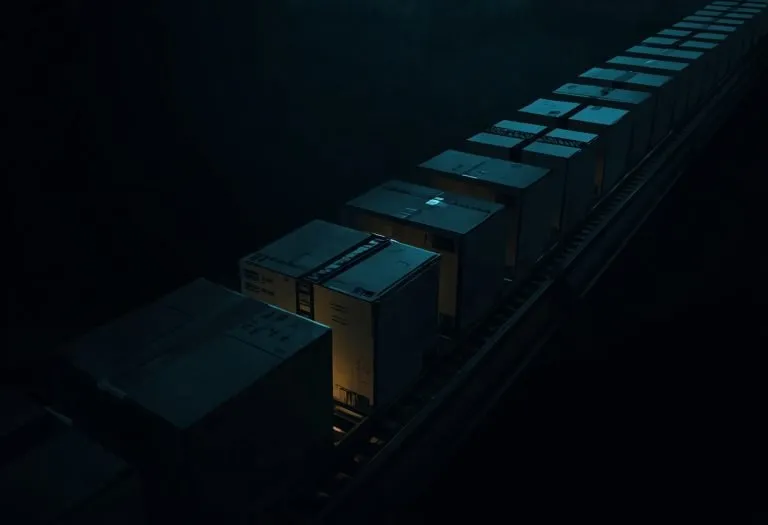
More than 120 countries bought encryption machines from Crypto AG to keep secrets safe. The CIA and West German intelligence secretly owned it and read everything. Part seven of a series on attacks that beat isolation.
 Critical Thinking
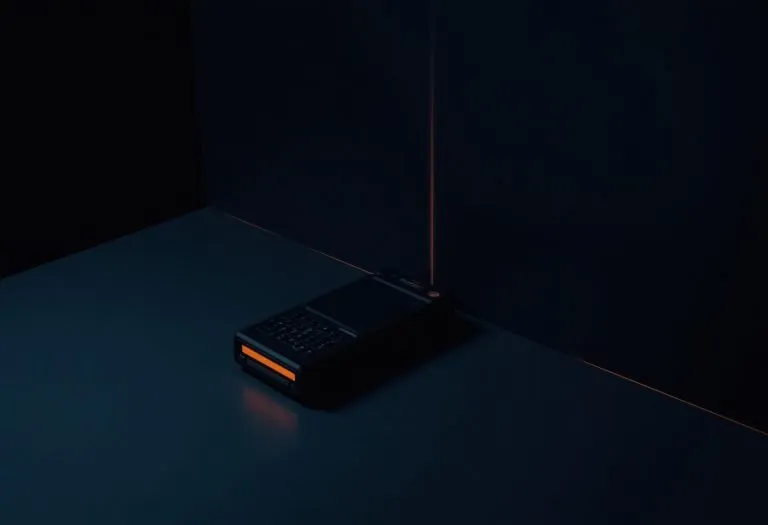
Going low-tech didn't save Hezbollah, because the devices were the attack. Why supply chain trust is a vulnerability for anyone who buys anything. Part six of a series on attacks that beat isolation.
 Critical Thinking
Hezbollah traded trackable phones for simple pagers to stay safe, and the pagers were the weapon. Part five of a series on attacks that beat isolation.
 Critical Thinking
Once Stuxnet escaped, the idea was free. The decade that followed brought Shamoon, the Ukraine grid attacks, and Triton. Part four of a series on attacks that beat isolation.
Professional ghostwriting for executives, founders, coaches, and authors who want to get the book done right. 113+ books authored. 54+ ghostwritten for clients.
Ready to discuss your book?
BOOK YOUR PRIVATE CONSULTATIONNo pitch. No pressure.
© 2026 Richard Lowe. The Writing King. All rights reserved.