TL;DR
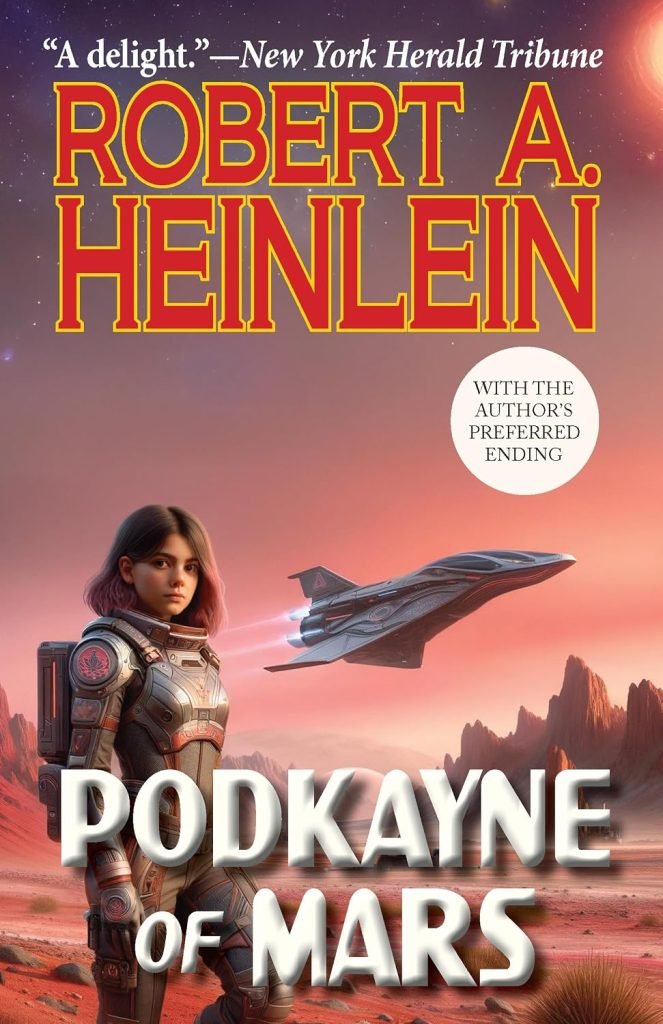
Heinlein’s 1963 novel about Podkayne Fries, a fifteen-year-old girl from Mars traveling to Earth with her troublemaking younger brother. It’s best known now for the fight over its ending. Heinlein lost that fight, and his readers eventually won it back.
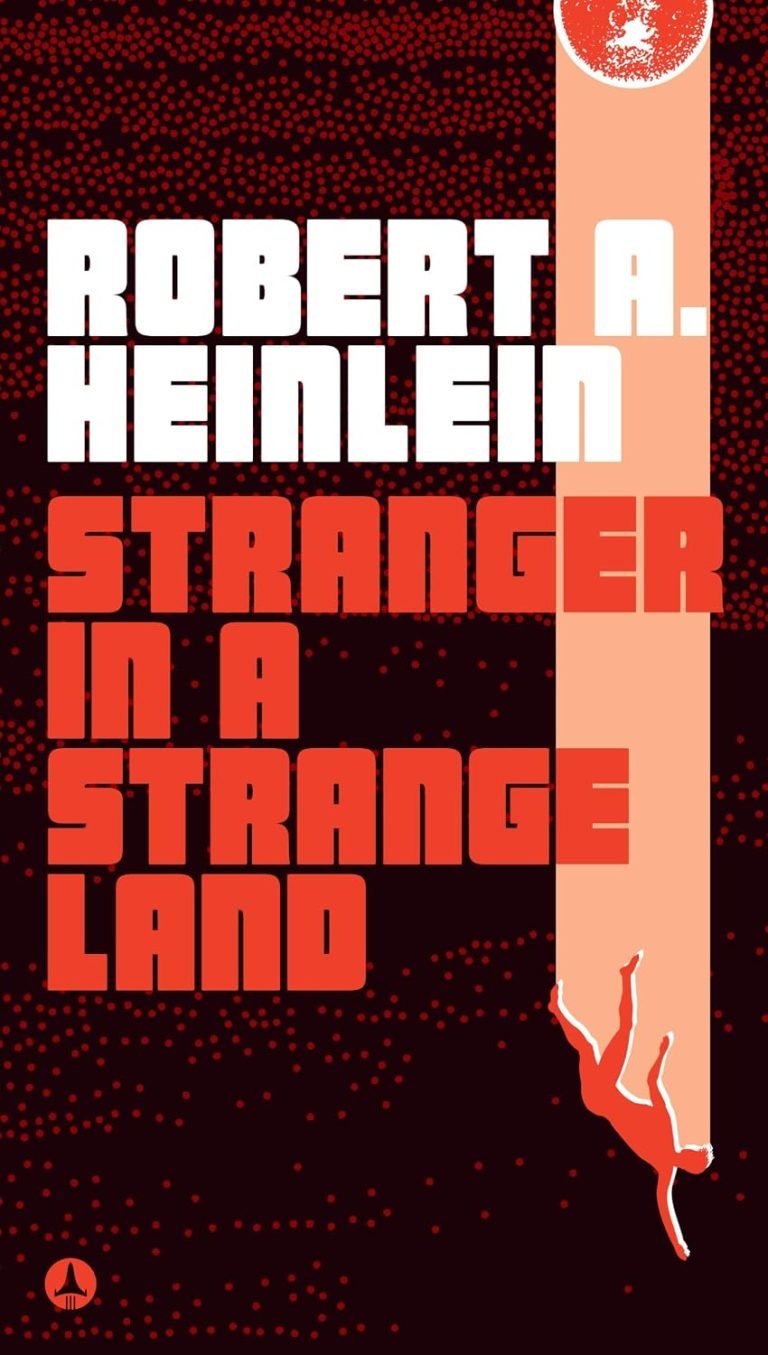
After I finished Stranger in a Strange Land, I went hunting for everything else Heinlein had written. Podkayne of Mars was one of the books I tracked down.
It’s a smaller book than Stranger, and a stranger one in its own way.
What is Podkayne of Mars about?
Podkayne Fries, called Poddy, is fifteen and wants to be a starship captain. The book is her diary. Her parents promise her a trip to Earth, then cancel it when three babies they’d kept in the creche arrive early through an administrative mix-up. Her great-uncle Tom, a senator and elder statesman of Mars, takes her instead, along with her eleven-year-old brother, Clark, aboard the liner Tricorn.
Clark is a genius and a menace. At customs he jokes that he’s carrying two kilos of happy dust. That gets him searched and keeps everyone’s eyes off a package hidden in Poddy’s luggage. The package is a nuclear bomb. Clark disarms it and keeps it. Heinlein lifted the customs gag from a real incident he described in his travel book Tramp Royale.
The ship stops at Venus. Heinlein made it a gambling planet owned outright by a single corporation, where murder is punished with a fine set by what the victim would have earned. There the adventure turns into a political thriller. Uncle Tom turns out to be Mars’s secret envoy to a key conference on Luna, and the children are his cover. A faction opposed to him kidnaps Clark. Poddy is captured trying to rescue him, and the captors use both children to put pressure on Tom.
Clark escapes and kills them. He forgets about the bomb he’d rigged to go off if the escape failed.
The novel ran in three parts in Worlds of If magazine, starting in November 1962, before Putnam published it as a book in 1963. Heinlein’s working title was Podkayne Fries: Her Life and Times.
What happened to the ending of Podkayne of Mars?
It was changed over Heinlein’s objections. In his original ending, Poddy goes back for a baby Venerian fairy, a small semi-intelligent creature, and dies shielding it from the blast. Clark narrates the last chapter, admits he fouled up, and plans to raise the fairy himself. The editors, Heinlein’s agent Lurton Blassingame and his wife, Virginia, all pushed for a version where she lives. The 1963 book has Poddy badly hurt and recovering, and Uncle Tom laying the blame on her parents. The two versions differ only on the last page.
Heinlein was bitter about it. In a letter to Blassingame he compared the change to revising Romeo and Juliet so the young lovers live happily ever after. The original ending saw print in 1989, in his posthumous collection of letters, Grumbles from the Grave.
Then the readers got a vote. Baen Books printed both endings in a 1993 edition and invited essays on which was right. The 1995 Baen edition included 27 of them, and the death ending won. Later editions use it.
The author’s choice came back.
Is Podkayne of Mars a book for young readers?
It reads like one, and some catalogs shelve it as young adult. Heinlein didn’t think of it as one of his juveniles, and Putnam published it. His juveniles came out from Scribner. The lesson at the end, about parents and what children pay for their choices, is aimed squarely at adults. Modern critics are rough on its dated views about women and work.
Why does Podkayne of Mars belong on this shelf?
It’s part of the Heinlein run that shaped me as a reader. It’s also a useful lesson for writers about who controls an ending. Publishers change books, and sometimes the change sticks for decades. Sometimes the original finds its way back. I’d add one more lesson. Poddy’s voice, a bright teenager writing in her diary and sure she has the universe figured out, is the reason to read it, and voice is the hardest thing in fiction to fake. Heinlein wrote her at fifty-five, and she still sounds fifteen.
Keep reading
My tribute to Robert Heinlein: the books I hunted down after Stranger in a Strange Land, and what I think of them now.