
Latest
How Much Water and Power Does Heavy AI Use Take? I Ran My Own NumbersBad Boys: Ride or Die (2024)Vesuvius Day: The Teenager Who Wrote Down Pompeii’s Last DayAnti-Communism Week: Remembering the Writers Communism SilencedVoyager 1 One Light-Day: Fifty Years to Travel One Day of LightVellum Added an Optional AI Feature. A Pile-On Killed It in a Day.Are AI Subscriptions Losing Money? The Gym Membership Math Says NoAI Terms Every Writer Should Know, and Why Each One MattersWorking While Sick: What 24/7 On Call Cost MeHe Banned AI From His Writing Group. His Own Cover Got Called AI Slop.Who Writes the Fake Fan Mail Authors Get? Inside the Scam CompoundsSMS Appointment RemindersFree BooksDarrell Stern: Stop Being Invisible, Become UnmissableJoe Rockey: Ghostwriting His BookHow to Turn Your Expertise Into a Book People Want to Read | The Expert MethodWhat’s New at The Writing King: Week of October 25, 2026Challenger Remembrance Day: The Engineer Who Wouldn’t SignJoel Salomon: The Truth About MoneyReddit Is Putting Up a Login Wall. Wikipedia Won’t Be Far Behind.Victoria Chemko: The Body Is the First TechnologySir Patrick Stewart: A TributeA Year in the Bank: ADHD, Face Blindness and the Freedom to Walk Out | The Impossible Puzzles Show, Episode 326A Yale Economist Says We Won’t Be Missed. He Forgot the Bread Line.Walter Koenig: A TributeI Don’t Post Bad ARC Reviews. I Send the Author a Note.AI Has Paid Off Outside Tech. Apollo Is Reading the Wrong Scoreboard.The Little Red Book of Stuff That Works!Your Kids Are Your Own FaultGrow a PairYou’re Broke Because You Want to BeIt’s Called Work for a Reason!No Time for TactShut Up, Stop Whining, and Get a LifeWilliam Bessette: AI Enablement and Child Welfare TechnologyFree Book Planning ToolsWhat’s New at The Writing King: Week of October 18, 2026Ghostwriting by the Numbers: Timelines, Word Counts and the First CallPromising Young Woman (2020) ReviewBillions for AI, Pennies for the Plumbing: AI Companies Should Pay to Keep PHP AlivePHP2Shell: AI Found a 22-Year-Old Crack Under Your Website in Two DaysPetrov Day: The Officer Who Didn’t Believe the ComputerKindle Unlimited Is Now Kindle+. AI Audiobooks Just Joined the BuffetMo Gawdat Says the AI Dystopia Starts in 2027. Read the List, Skip the DatesThe Society of Authors Signed an Ethical AI Charter, Then Ran From It in Eight DaysWhen to Quit Writing a Book: I’ve Abandoned Dozens, and I’d Do It AgainChina Is Using Bots to Fan the Data Center Backlash. The Backlash Is Still Real.Getty Images Filed for Bankruptcy. Can You Prove You Licensed Your Book’s Images?Fluff Words: Cut Them From Your Prose, Keep Them in Your DialogueWhere Are the Independent Bookstores and Public Libraries Worth Visiting in Tampa Bay? Author Richard Lowe Profiles 44 of Them

Keith D. Wilson

Keith D. Wilson

Keith D. Wilson

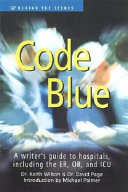
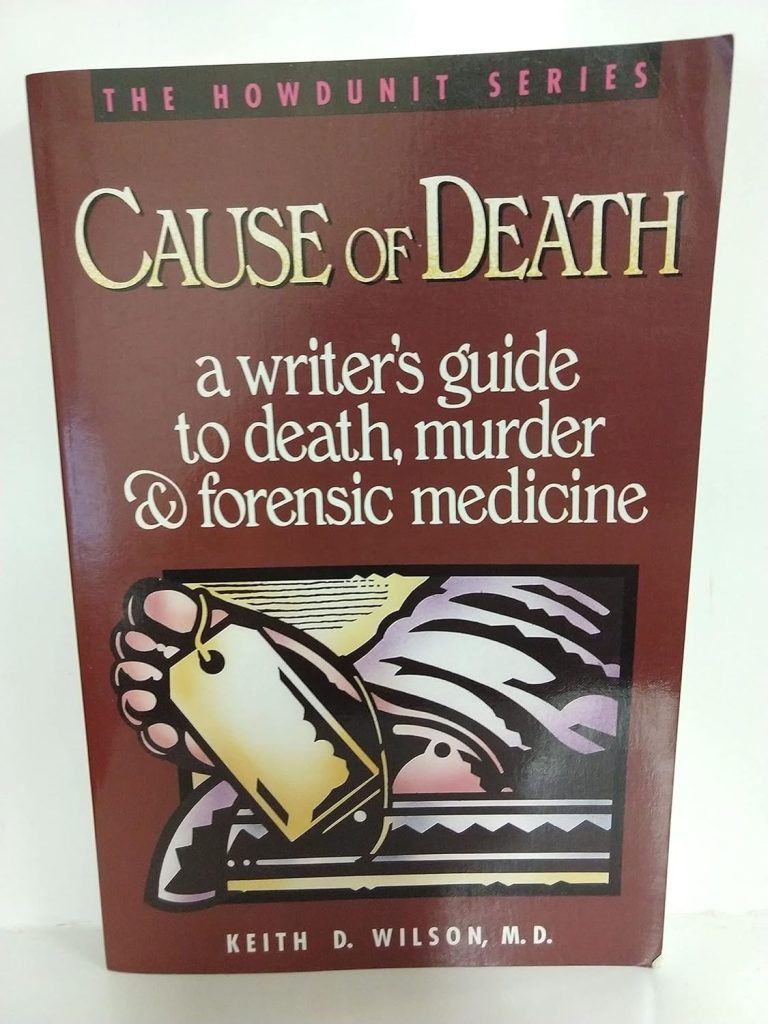
Keith D. Wilson, MD, is an American physician and writing-craft author whose two Writer's Digest Howdunit titles are among the most-recommended medical references for crime and mystery writers. He co-wrote Code Blue: A Writer's Guide to Hospitals, Including the ER, OR, and ICU (1999) with David W. Page, MD, Professor of Surgery at Tufts, and authored Cause of Death: A Writer's Guide to Death, Murder, and Forensic Medicine (1992).

Code Blue takes novelists inside the modern hospital department by department, covering the sights, sounds, smells, dialogue, and operational reality of the emergency room, operating room, intensive care unit, and supporting departments. Wilson and Page draw on their combined clinical experience to give writers the specific detail that separates believable medical fiction from television-style shorthand: how the trauma team actually talks during a code, what surgeons prepping for an operation actually do and in what order, what the bedside monitoring on an ICU patient actually shows, and the medical jargon, terminology, and shorthand that fills every page of a real chart.

Cause of Death gives mystery and crime writers the underlying medical and forensic facts of how death is investigated: the mechanisms of death from different causes, what an autopsy actually reveals, how time of death is estimated, the differences between gunshot, blunt-force, sharp-force, asphyxial, and poisoning deaths in the autopsy suite, and the procedural reality of the medical examiner's role from scene through court testimony. The book is widely used in crime, thriller, and medical thriller writing programs.