
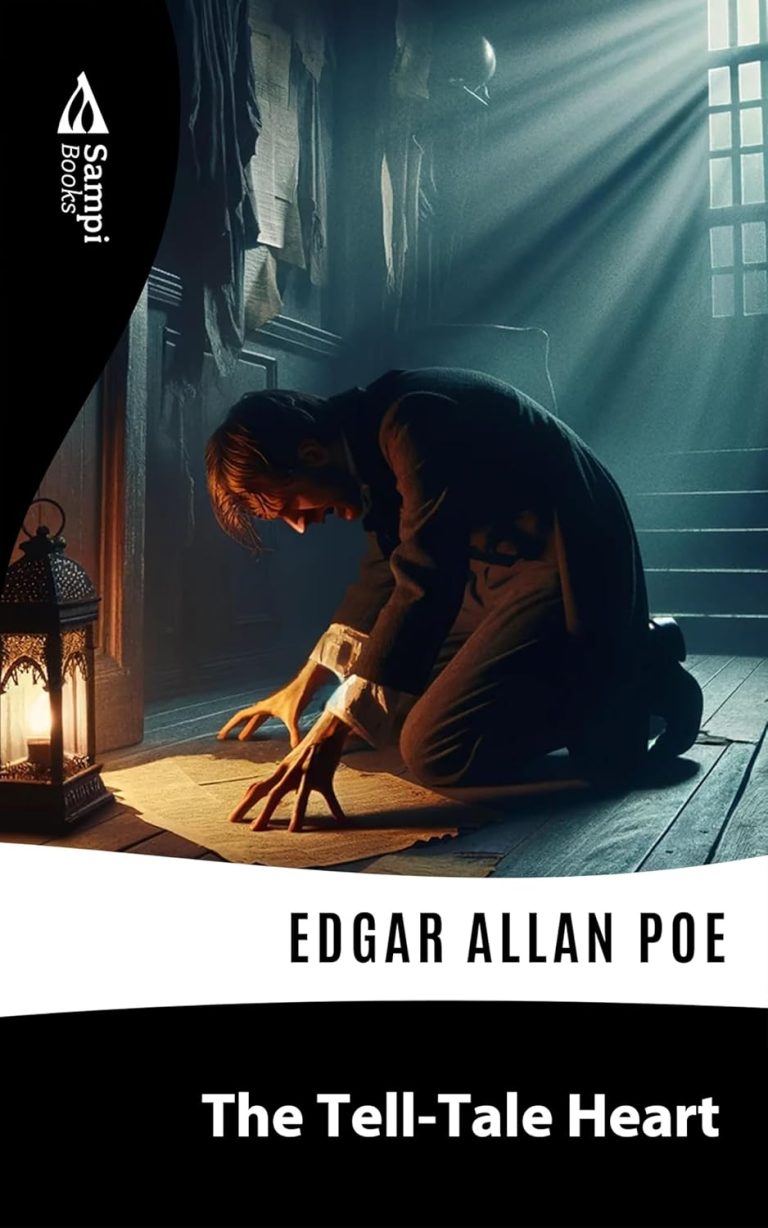
Edgar Allan Poe was an American writer, poet, and critic, born in Boston in 1809 and orphaned in early childhood after the death of his actress mother. Taken in but never formally adopted by the Richmond merchant John Allan, Poe had a turbulent upbringing marked by conflict with his foster father, brief stints at university and West Point, and lifelong financial hardship.
Poe is regarded as a master of the macabre and a pioneer of the short story. His tales of horror and psychological terror, including The Tell-Tale Heart, The Fall of the House of Usher, and The Masque of the Red Death, explore guilt, madness, and mortality with unmatched intensity. His poem The Raven, published in 1845, brought him national fame, though little financial security.
He is also credited with inventing the modern detective story through his tales featuring the analytical C. Auguste Dupin, which directly influenced Arthur Conan Doyle and the entire genre that followed. As a critic and editor, Poe developed influential theories about the unity of effect in short fiction and poetry.
Poe's life was shadowed by poverty, the early death of his young wife Virginia, and struggles with alcohol. He died in Baltimore in 1849 under mysterious circumstances at the age of forty. Largely underappreciated in his own country during his lifetime, he is now celebrated as one of the most original and influential figures in American literature.
Edgar Allan Poe
Professional ghostwriting for executives, founders, coaches, and authors who want to get the book done right. 113+ books authored. 54+ ghostwritten for clients.
Ready to discuss your book?
BOOK YOUR PRIVATE CONSULTATIONNo pitch. No pressure.
© 2026 Richard Lowe. The Writing King. All rights reserved.